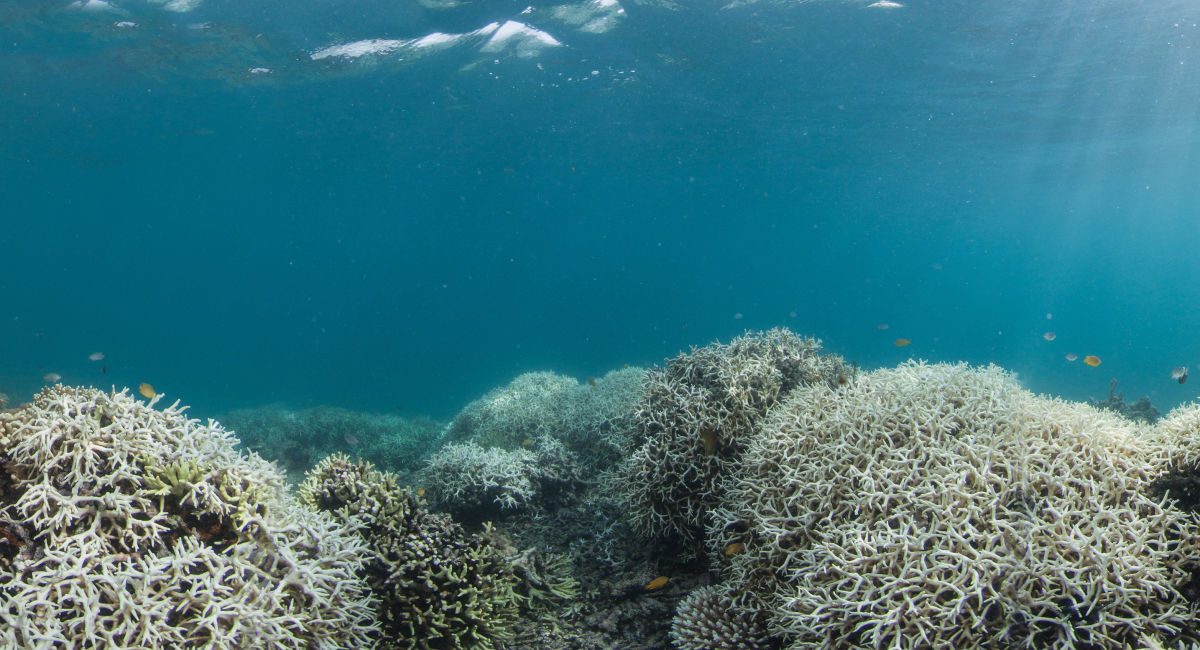
The Great Barrier Reef, an extraordinary natural wonder that sprawls across 344,400 square kilometers, is facing a grave and pressing crisis. Recent reports confirm that the reef is experiencing its most widespread bleaching on record. This alarming phenomenon is intrinsically linked to global temperature rises, exacerbated by climate change and the unrelenting march of anthropogenic activities. As temperatures rise, the delicate balance of marine ecosystems is irrevocably disrupted, leading to the alarming degradation of this UNESCO World Heritage Site.
The plight of the Great Barrier Reef is not simply a scientific concern; it is a profound narrative of loss, resilience, and the urgent necessity for change. The reef, known to harbor a rich tapestry of biodiversity including over 1,500 species of fish, 400 types of coral, and a myriad of other marine organisms, is undergoing a dramatic transformation as warming waters drive coral bleaching. This process occurs when corals, stressed by elevated water temperatures, expel the symbiotic algae—zooxanthellae—that provide them with food and color. The result is a stark, ghostly apparition of what was once a vibrant underwater landscape.
The latest bleaching event underscores the precarious state of the reef and serves as a clarion call for collective action. Historically, coral reefs have exhibited a remarkable ability to recover from adverse conditions. However, repeated bleaching events, such as those observed in 2016 and 2017, have left the reef’s resilience weakened. Scientists warn that if current trends persist, the chances of recovery diminish significantly, with potentially catastrophic implications for marine biodiversity and local communities reliant on the reef for their livelihoods.
To truly appreciate the significance of this environmental crisis, it is crucial to delve deeper into the microcosm of the reef ecosystem. The interplay between corals, fish, and the diverse array of marine life creates a habitat of unparalleled ecological value. Each species plays a pivotal role; the loss of a single component can trigger a domino effect, unraveling the intricate web of life that supports everything from the smallest algae to the majestic humpback whale. The ramifications extend beyond the ocean, impacting coastal communities, tourism, and fisheries, further emphasizing the interconnectedness of life.
In terms of impact, the economic consequences of widespread bleaching are staggering. The Great Barrier Reef contributes approximately $6 billion annually to the Australian economy and supports over 64,000 jobs. Yet, with the reef in peril, the economic prospects for those dependent on its resources appear increasingly grim. Fishing industries suffer depletion as fish populations dwindle, while tourism declines when the spectacle of marine life diminishes, affecting businesses that thrive on visitors eager to experience the reef’s grandeur firsthand.
As the world grapples with the mounting evidence of climate change, the discourse around solutions becomes paramount. Mitigation measures are not merely preferred; they are essential. The challenge lies in transitioning to a sustainable model of development that values and prioritizes the health of ecosystems over short-term economic gains. This shift requires an unprecedented commitment from governments, corporations, and individuals alike. Policymaking must be informed by science, and investment directed towards initiatives that foster resilience in marine environments.
A pivotal aspect of this transformation involves harnessing innovative strategies that bridge traditional practices with modern technology. For example, the implementation of coral restoration projects has gained traction, where scientists and conservationists undertake ambitious efforts to cultivate new coral species in nurseries before transplanting them back onto degraded reefs. These initiatives not only promote biodiversity but serve as an emblem of hope amidst despair, illustrating humanity’s capability to repair what has been damaged.
Ultimately, the narrative surrounding the Great Barrier Reef must shift from one of resignation to a tale of activism and collaboration. To this end, public awareness and engagement are vital. Grassroots movements and nonprofit organizations are crucial players in mobilizing communities, advocating for policy changes, and promoting sustainable practices. Each individual holds the power to influence change—whether through reducing one’s carbon footprint, supporting local conservation efforts, or advocating for stronger environmental legislation.
The dire state of the Great Barrier Reef should not incite desolation; rather, it should awaken a collective consciousness. The consequences of our actions are affixed to the very entities that sustain life on Earth. The Earth’s oceans are not merely backdrops to anthropocentric endeavors; they are dynamic ecosystems that demand respect and stewardship.
In conclusion, the confirmation of widespread bleaching at the Great Barrier Reef serves as an urgent summons for immediate and concerted action. The challenges we face are monumental, yet so too is our capacity for adaptation and restoration. Embracing innovative solutions, fostering unwavering commitment, and cultivating a sense of responsibility towards our natural world are paramount. As we stand at this critical juncture, the opportunity to recalibrate our approach to environmental stewardship lies before us. In doing so, not only do we stand to protect the coral reefs, but we also safeguard the very essence of life that flourishes within the oceans—a legacy for generations to come.










Leave a Comment