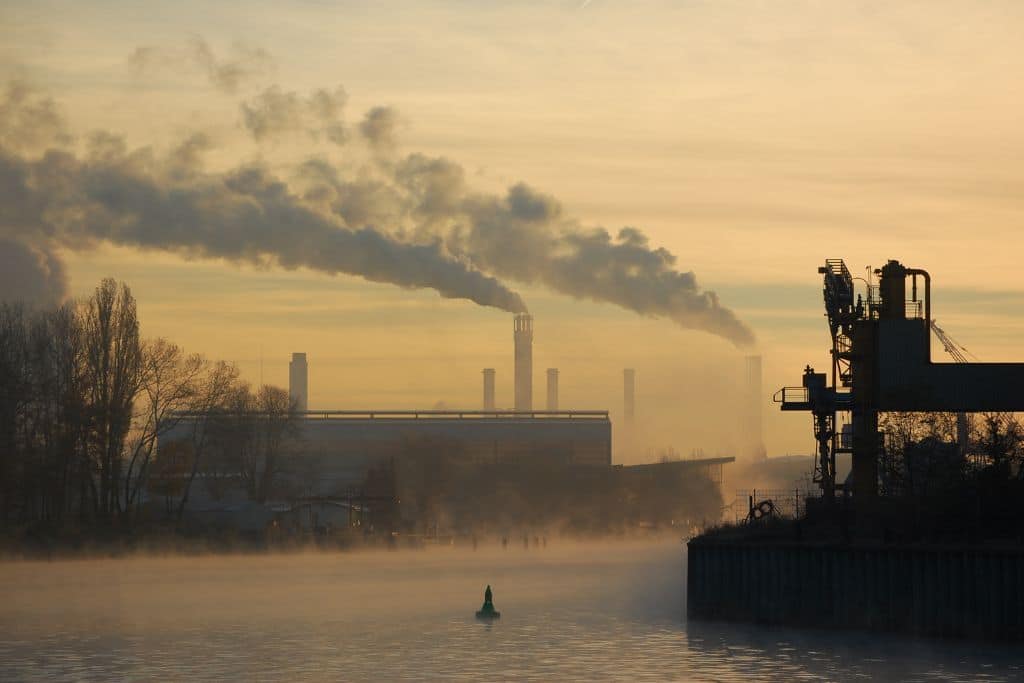
In the ever-evolving dialogue surrounding climate change, the year 2025 stands as a significant marker, shadowed by alarming revelations regarding atmospheric carbon dioxide (CO₂) levels. Recent data indicate an unprecedented spike in CO₂, igniting profound concerns and propelling the world further from the aspirational 1.5°C climate goal established in the Paris Agreement. This moment—characterized by soaring greenhouse gas emissions—elicits not only urgent calls for action but also a pivotal reevaluation of our current trajectory.
The ceaseless rise of atmospheric CO₂ has become a clarion call for environmental activists, scientists, and policymakers alike. As nations navigate the complexities of energy dependence and economic growth, they grapple with the stark reality that the increase in CO₂ is not merely a statistic; it is a harbinger of a much graver eschatology. In 2025, the atmospheric concentration of CO₂ may well exceed critical thresholds, ushering in a cascade of climatic anomalies that could prove catastrophic for ecosystems and humanity alike.
To comprehend the implications of this rise in CO₂ levels, one must first grasp the fundamental mechanisms underpinning climate change. Carbon dioxide, while naturally present in the atmosphere, becomes deleterious in excessive quantities, predominantly due to anthropogenic actions such as fossil fuel combustion, deforestation, and industrial processes. The greenhouse effect, wherein CO₂ traps heat within the Earth’s atmosphere, exacerbates global warming, resulting in weather extremes, melting polar ice, and rising sea levels. The temporal urgency of reducing atmospheric CO₂ appears increasingly insurmountable in light of recent analyses projecting that we are on course for an average global temperature increase of 2°C or more by the end of the century.
This projected trajectory is more poignant when contextualized within the broader landscape of climate commitments. Many nations pledged to adhere to stringent emissions reductions, aspiring to mitigate their carbon footprint. However, the decade leading up to 2025 has seen these promises often diluted by economic interests, political inertia, and societal ambivalence. The temptation to prioritize short-term economic revival over sustainable practices remains a formidable barrier. Accordingly, the rise in CO₂ becomes emblematic of a failure to reconcile growth with environmental stewardship.
Following this trajectory, the notion of equity arises as an essential consideration. Developing nations, which disproportionately bear the brunt of climate change impacts despite contributing minimal historical emissions, demand climate justice. They possess legitimate grievances when addressed by industrialized nations whose historical carbon emissions have paved the way for their prosperity. As atmospheric CO₂ levels rise, it is becoming increasingly clear that achieving a just transition towards sustainable development necessitates equitable solutions that take into account the disparities between nations.
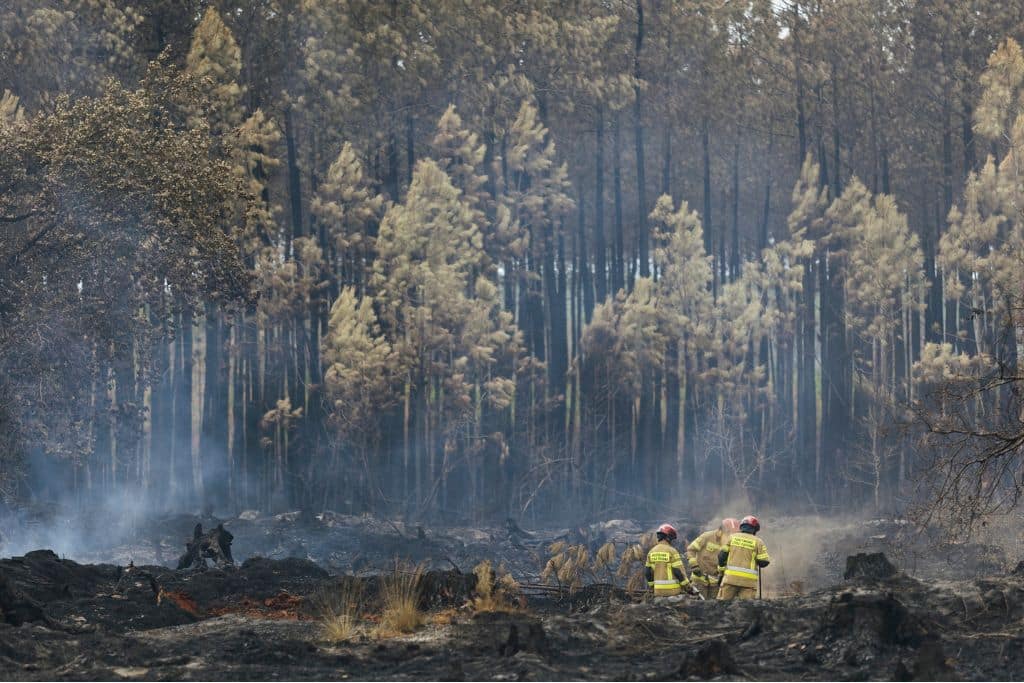
The manifest consequences of soaring CO₂ levels reveal themselves in a multitude of dimensions, not least of which is the alteration of ecosystems and biodiversity. The intricate balance of life within forests, rivers, and oceans faces severe disruption as rising temperatures and changing precipitation patterns unfold. Coral reefs, which serve as crucial biodiversity hotspots, are already showing signs of distress due to ocean acidification and thermal stress. If unchecked, the biological ramifications of heightened CO₂ concentrations will extend beyond the natural world, ultimately influencing human economies reliant upon these resources.
In contemplating the future, it is imperative to approach the challenge of reducing atmospheric CO₂ with renewed vigor. This begins with fostering an innovative mindset that seeks alternative technologies and strategies in combating emissions. Renewable energy sources—such as solar, wind, and hydropower—emerge as pivotal instruments in this paradigm shift, unlocking the potential for sustainable growth while displacing fossil fuel reliance. Furthermore, emerging technologies, such as carbon capture and storage, present tantalizing prospects for mitigating emissions from existing infrastructure.
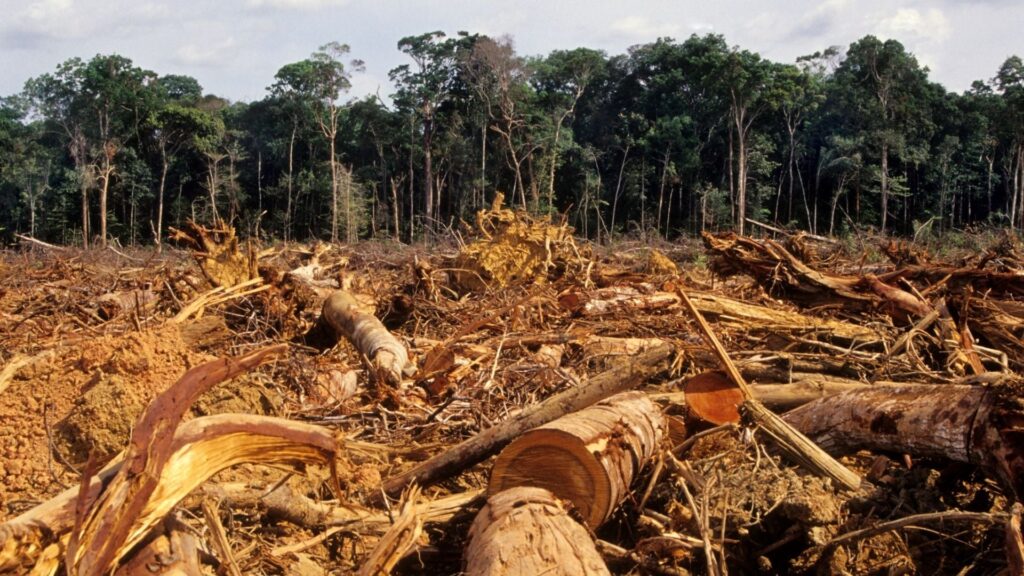
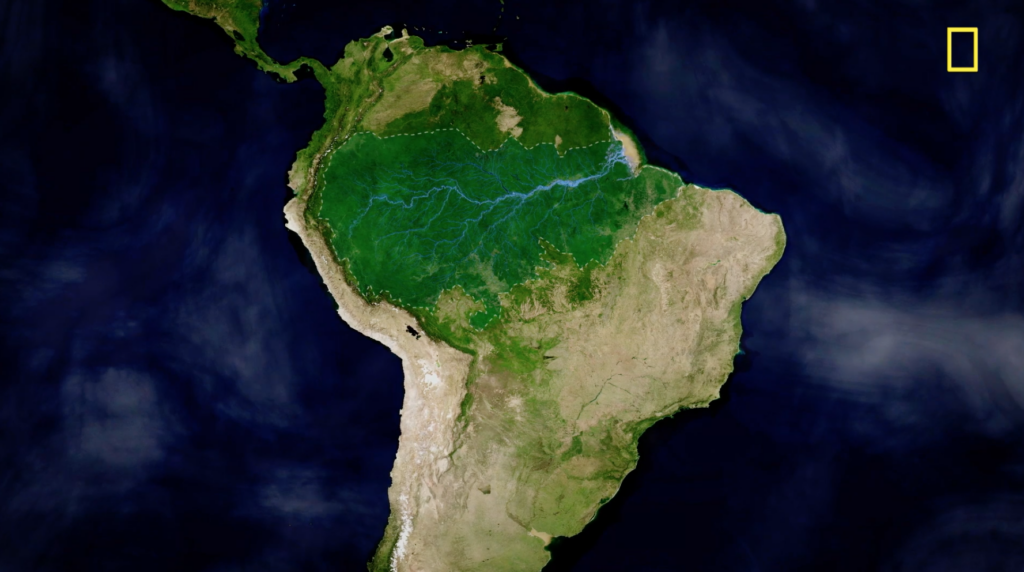
Moreover, the efficacy of reforestation and afforestation cannot be overstated. Forests play a critical role as carbon sinks, absorbing CO₂ from the atmosphere and storing it within biomass and soil. Initiatives aimed at restoring degraded landscapes not only serve to sequester carbon but also foster rich biodiversity, combat desertification, and enhance resilience against climate change. To tackle the scourge of rising CO₂, an integrated approach embracing agricultural practices, land management, and conservation efforts must be pursued.
Simultaneously, education and public awareness are indispensable elements in catalyzing change. For individuals to grasp the urgency behind the rising CO₂ levels, a robust understanding of climate science and its ramifications is essential. Engaging communities through outreach and advocacy enables collective action, fostering a societal ethos where sustainable living becomes the norm rather than the exception.
As the world confronts the ramifications of elevated atmospheric CO₂ levels in 2025, it stands at a crossroads, faced with myriad choices whose implications will reverberate through generations. The drive to achieve the 1.5°C target may appear daunting, yet it is not insurmountable. Harnessing collective intelligence, promoting innovative solutions, and embracing equitable policies will shape the contours of a sustainable future. Now, more than ever, is the time to heed the evidence around us, to rise as a united force for change, and to ardently pursue pathways that promise resilience in the face of adversity. The time for action is now; the future of our planet depends upon it.



Leave a Comment