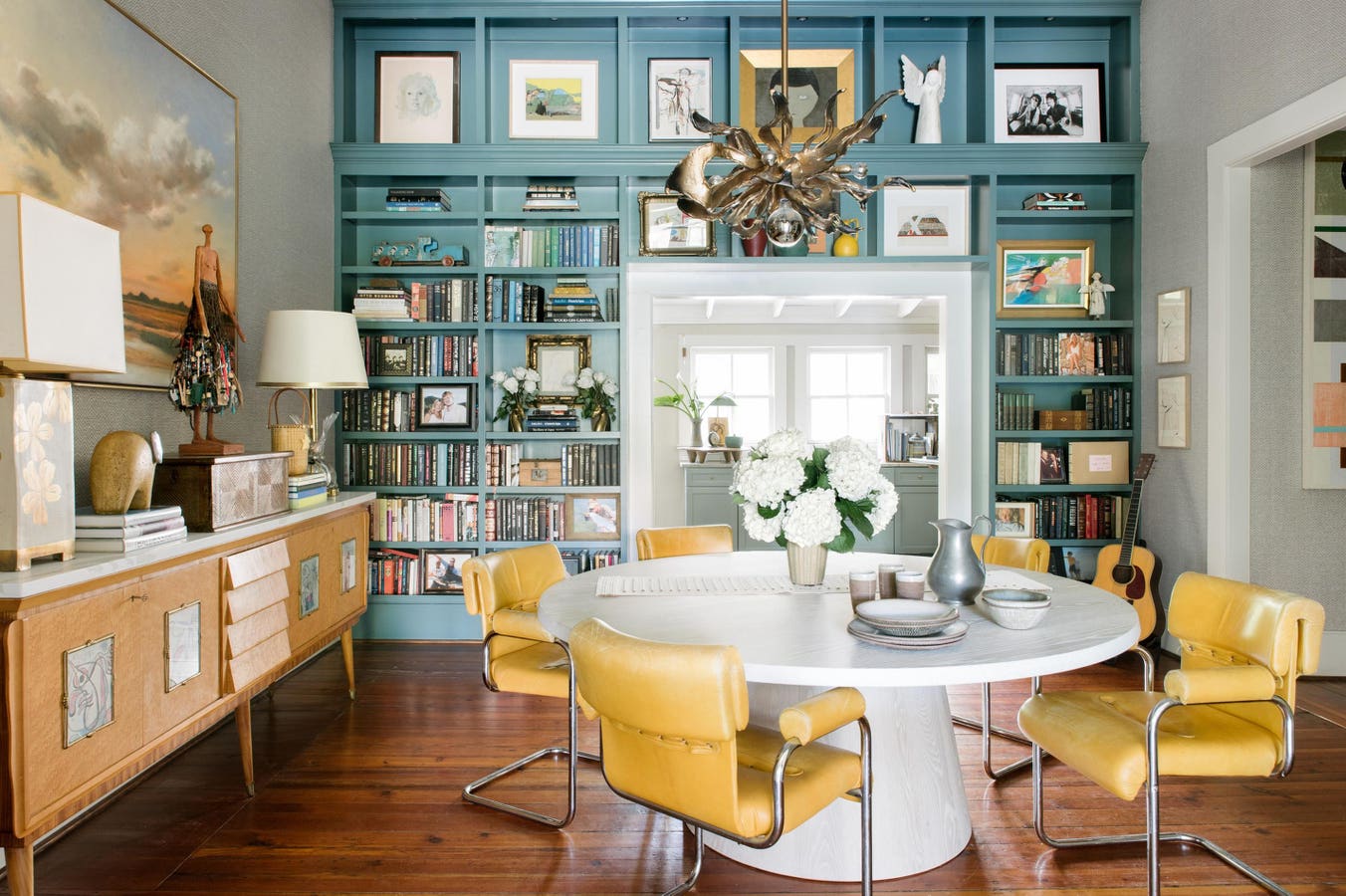
In the ever-evolving realm of interior design, a compelling rift has emerged—one that is not just aesthetic but deeply philosophical. As the specter of environmental degradation looms over our everyday choices, millennials are redefining the concept of home with a poignant shift towards antique furniture, leaving the pervasive allure of fast furniture behind. The juxtaposition of antique and fast furniture is not merely a battle for space within the confines of our living rooms; it symbolizes a broader movement towards sustainability, individuality, and a more meaningful lifestyle.
Fast furniture, with its siren call of affordability and convenience, often emerges from the feverish assembly lines of mass production. It is the embodiment of modernity wrapped in an attractive veneer, promising instant gratification for the impatient consumer. Yet, beneath this facade lies a sobering reality. These products are frequently constructed from low-quality materials, designed to disintegrate and be discarded after a fleeting moment of desirability. It is a cycle of consumption that voraciously polishes the treadmill of capitalism, relentlessly demanding more at the expense of our planet’s fragile ecosystems.
On the contrary, antique furniture stands as a stalwart champion of sustainability. Each piece in this category tells an intricate story, woven through time, bearing the marks of craftsmanship that the contemporary market often neglects. The artisans of yesteryears imbued their creations with durability and grace, utilizing robust, often repurposed materials that not only resist the ravages of time but convey a rich narrative that invites connection.
Investing in antiques means embracing a philosophy of preservation rather than dispossession. This generation recognizes that every table, chair, or dresser that survives the passage of years represents a triumph against obsolescence. Rather than being mere objects, antiques are relics—a tangible, tactile reminder of history that resonates beyond mere aesthetics. In a world dominated by transience, this singularity beckons to a deeper appreciation of one’s environment, fostering a conscious relationship with the past.
Furthermore, the romantic allure of vintage furniture lies in its eclectic charm—a delightful contrast to the sterile uniformity often associated with fast furniture. Each antique piece is imbued with character, its imperfections narrating past encounters and hidden histories. Millennials are keenly aware that their choices are not merely reflections of personal taste; they are statements of identity. In an era where individuality is coveted, the personalized aesthetics of antique furniture provide a unique distinction, enabling homeowners to curate spaces that resonate with authenticity rather than conformity.
The durability of antique furniture also serves as a beacon of sustainability. By extending the lifecycle of these pieces, consumers actively contribute to a reduction in waste. In stark contrast, fast furniture often lands in landfills, diminishing our precious resources and contributing to environmental decay. Millennials, conscious stewards of the environment, have grasped this striking dichotomy; they are investing in pieces that have intrinsic value and longevity, ensuring that their impact is not one of consumption but of preservation.
Antique furniture shopping transcends mere acquisition; it embodies a quest for authenticity and a rekindling of personal narratives. Antique shops brim with items beseeching attention, each inviting exploration of their origin stories. Whether it’s a Victorian chair, lovingly restored, or a mid-century modern table, the emotional engagement with each piece fosters a deeper connection. This relationship goes beyond aesthetics; it transforms the act of furnishing a home into a mindful endeavor steeped in storytelling and legacy.
Moreover, the allure of antiquity is not just environmental; it is socio-cultural. By choosing to embrace vintage furnishings, millennials are actively participating in a counter-narrative that champions ethical consumerism. This stance speaks volumes about societal values and the emerging consciousness regarding global responsibilities. It is an implicit rejection of the throwaway culture that has pervaded previous generations, signaling a call for accountability and thoughtfulness in consumer choices.
In the intricate dance of home decor, the juxtaposition of antique versus fast furniture serves as an allegory of choice. It represents the tension between ephemeral desires and enduring values. As millennials navigate this landscape, they find themselves wielding power not only over their living spaces but also over the very fabric of how we approach the future.
Furthermore, technology plays an interesting role in this equation. The rise of online marketplaces and social media platforms has revolutionized access to antique furniture. With a few clicks, one can discover treasures hidden in distant locales. This democratization of antique shopping has invigorated the community of vintage enthusiasts, fostering a vibrant culture around sustainability and treasuring that which has stood the test of time.
In conclusion, the movement towards vintage furniture among millennials is profoundly more than aesthetic preference; it is an articulate choice laden with implications for sustainability, individuality, and moral responsibility. As they jettison the fleeting charm of fast furniture, these purveyors of conscious living embrace the richness of history, understanding that true beauty lies not in the newness of an object, but in the stories and journeys that shape them. In antiquity, they have found not only a means of decoration but a crucial pillar supporting a sustainable future—a future where every piece of furniture comes with its narrative, imbued with love and respect for the environment. Let this serve as a clarion call; every choice matters in the tapestry of our shared existence. The past whispers through antique furniture, urging us to remember the craft of sustainability as we navigate towards a more conscientious future.











Leave a Comment