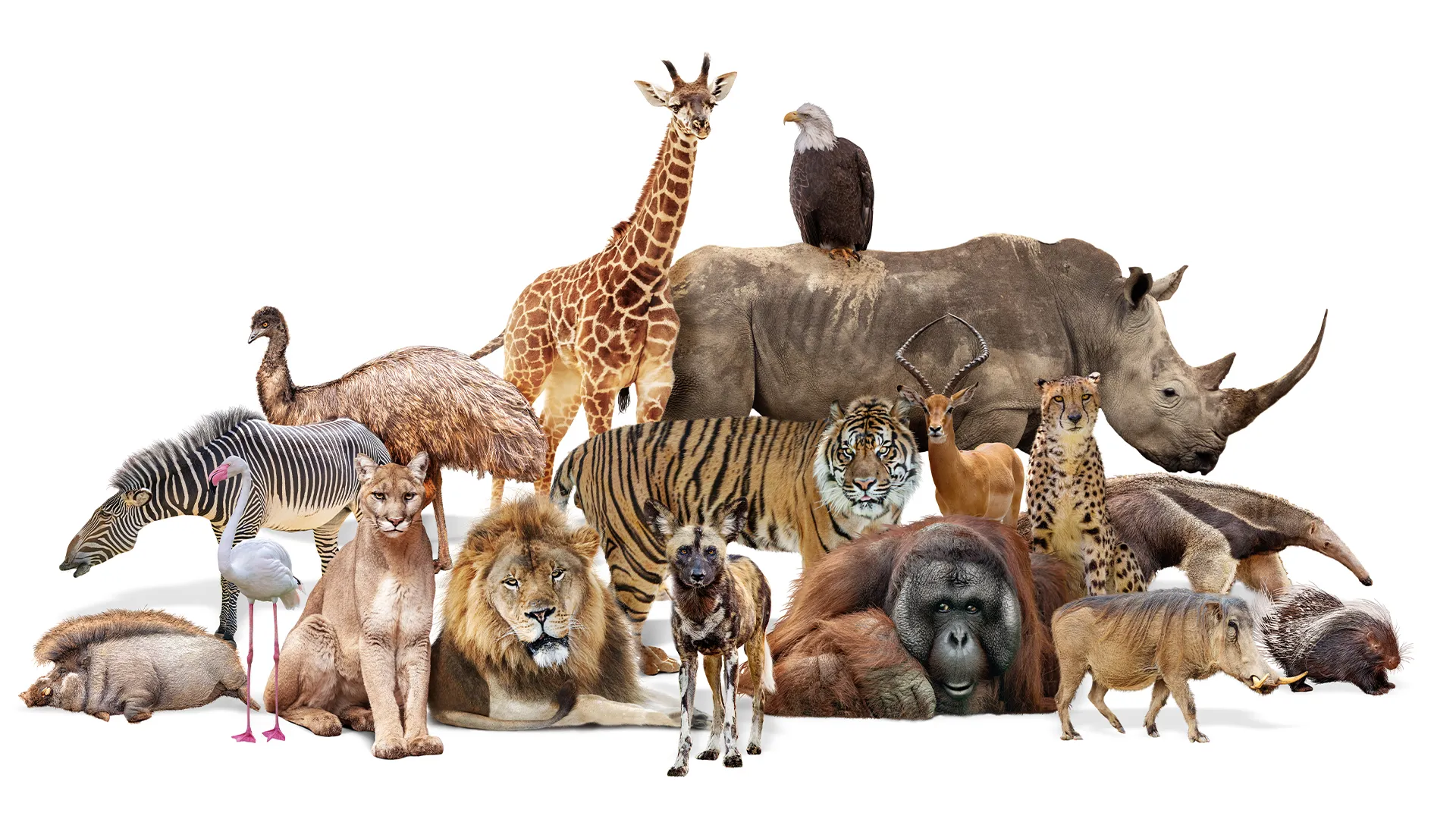
In the intricate tapestry of life on Earth, countless species, both grand and minuscule, play pivotal roles in maintaining ecological balance. Yet, a shadow looms over this delicate ecosystem: many of these sentient beings teeter on the precipice of extinction. The cacophony of modernity, characterized by rapid industrialization, rampant deforestation, and relentless climate change, plays an unrelenting tune. It is imperative to delve into the myriad factors that propel several magnificent creatures toward oblivion, adopting a perspective that evokes both empathy and urgency.
The Silent Crisis: A Prelude to Extinction
Globally, researchers estimate that species extinction is occurring at a staggering rate—up to 1,000 times the natural background rate. This phenomenon is not merely an abstract statistic; it signifies the erasure of irreplaceable biodiversity that has existed for millennia. The gravity of extinction extends beyond the loss of individual species—it heralds a collapse of ecosystems that support myriad forms of life, including humans.
Habitat Destruction: The Unrelenting Advance
One of the primary culprits behind the decline of animal populations is habitat destruction. As urban sprawl encroaches and agricultural lands expand to satiate human consumption, vast swathes of natural environments are obliterated. Take, for instance, the plight of orangutans in Borneo and Sumatra. Their rainforests, teeming with life, face an unprecedented onslaught from palm oil plantations. The irony lies in this seemingly innocuous product, which saturates consumer goods, as it fuels a chain reaction of environmental degradation. The intricate ecosystems inhabited by these creatures vanish before our eyes, leading to population fragmentation and isolation.
Climate Change: A Global Reckoning
Inextricably linked to habitat destruction, climate change represents an existential threat to countless species. Rising temperatures, erratic weather patterns, and ocean acidification are manifestations of a warming planet. Polar bears, emblematic of this crisis, struggle as sea ice diminishes, ultimately undermining their hunting grounds. As their habitat fades, so too does their ability to thrive. The melting Arctic is not merely a regional phenomenon but a harbinger of the profound implications of climate change globally. The domino effect is glaring: as one species falters, others within their ecosystems face precarious futures.
Poaching and Illegal Wildlife Trade: The Ruthless Pursuit
Caught in a web of greed, poaching and illegal wildlife trafficking exacerbate the plight of vulnerable species. Elephants, revered for their majestic stature, find themselves ensnared in a vicious cycle of ivory demand that fuels their slaughter. Rhinos, whose horns are erroneously believed to possess curative properties, face a similar fate. The consequences of such interference ripple through ecosystems. The removal of a single species can destabilize an entire habitat, leading to unforeseen consequences for those left behind.
Invasive Species: A Disruption of Balance
While many threats to wildlife arise from human actions, the introduction of invasive species often goes unnoticed yet wreaks havoc on native populations. In ecosystems around the globe, foreign organisms disrupt the natural equilibrium—predating on native species or outcompeting them for scarce resources. The introduction of the brown tree snake on Guam serves as an alarming example; it has decimated native bird populations, illustrating the unforeseen ramifications of human intervention in ecosystems.
Collective Inaction: The Role of Society
Amid the tumult, societal apathy often stifles progress. In a world saturated with information, the urgency of this ecological crisis is frequently overshadowed by transient distractions. Comprehensive conservation efforts necessitate a collective response—a commitment to education, advocacy, and policy change. It is crucial to recognize that the fate of these imperiled creatures rests not solely in the hands of governments or organizations but also within the individual choices we make daily. Supporting sustainable practices in consumer behavior, championing conservation initiatives, and fostering awareness can catalyze tangible change.
Hope on the Horizon: Conservation Success Stories
Amidst despair, glimmers of hope arise from remarkable conservation success stories. The revival of the California condor is a testament to resilience through human effort. Once teetering on the brink of extinction, rigorous breeding programs and habitat restoration endeavors have revitalized their population. Similarly, the concept of wildlife corridors—designated paths to facilitate movement and migration—was born from the understanding that bridging fragmented habitats is critical to species survival. These innovative approaches serve as a reminder that, while challenges are daunting, the potential for restoration exists.
A Call to Action: The Path Forward
The narrative surrounding endangered animals and their fight for survival is one that ought to ignite a sense of urgency within all of us. As we bear witness to the gradual loss of biodiversity, we must recalibrate our priorities in favor of coexistence with these magnificent creatures. Education and advocacy emerge as paramount; understanding the intricate connections within ecosystems can galvanize a movement toward sustainability. In every small action lies the potential for monumental change, beckoning us to participate in the stewardship of our planet.
Ultimately, the fate of wildlife on the edge of extinction is intertwined with our own. It is a poignant reminder that the true measure of our progress lies not in the wealth we accumulate but in the legacy we leave for future generations. As custodians of this Earth, we must strive to amplify our voices for the voiceless, recognizing that every creature, no matter how small, plays an invaluable role in the orchestration of life itself.






Leave a Comment