
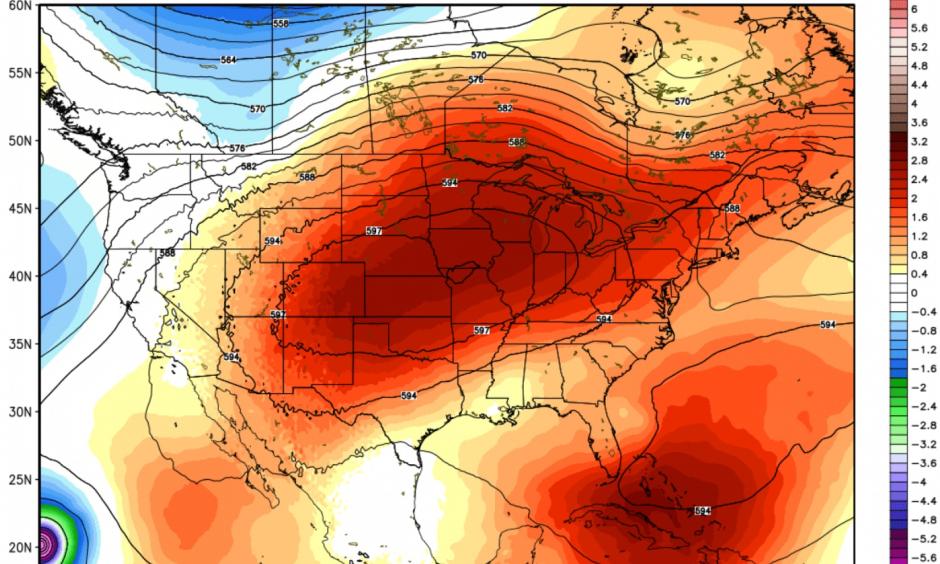
As temperatures soar and summer’s relentless heat envelops us, air conditioning has become a crutch for countless individuals seeking respite from oppressive weather. Yet, behind the cool breezes and comfortable indoor climates lies an insidious problem: air conditioners contribute significantly to global warming. Their role in exacerbating the greenhouse effect cannot be overlooked. As the world grapples with climate change, understanding this relationship could catalyze transformative changes in how we approach cooling our environments.
Air conditioning units function by removing heat from the interior of a building and expelling it outdoors. This process, while effective, relies heavily on electricity, typically generated from fossil fuels. Each kilowatt of energy consumed not only contributes to higher electricity bills but also pushes more carbon dioxide into the atmosphere, a potent greenhouse gas. Consequently, as demand for air conditioning skyrockets during sweltering months, so too does the carbon footprint associated with it. This reality raises a profound question: how can we reconcile our need for comfort with our moral responsibility to protect the planet?
To reimagine our relationship with air conditioning, we must first delve into the various facets of its impact on the environment. The refrigerants used in air conditioning systems add another layer of complexity. Hydrofluorocarbons (HFCs), commonly employed in these units, are thousands of times more potent than carbon dioxide in trapping heat in the atmosphere. The production and disposal of these chemicals release significant quantities of greenhouse gases, a fact that underscores the urgent need for innovation and reform in the industry.
Moreover, the insatiable demand for air conditioning is not merely a byproduct of environmental conditions; it is intertwined with urbanization. With cities expanding and populations increasing, the urban heat island effect exacerbates the need for cooling solutions. Natural landscapes that once facilitated heat dissipation are supplanted by concrete jungles, further intensifying the reliance on mechanical cooling systems. This vicious cycle perpetuates a daunting challenge: how can we sustainably cool our cities while mitigating climate change?
Innovative technologies hold promise, but they must be coupled with changes in consumer behavior and government policies. For instance, the development of energy-efficient air conditioning systems that utilize renewable energy sources can drastically reduce emissions. Solar-powered air conditioning units, which harness the sun’s energy, represent a forward-thinking alternative that could not only reduce dependence on fossil fuels but also lower electricity costs for consumers. Such systems could shift the paradigm of cooling, aligning our comfort with ecological sustainability.
Yet, technology alone cannot solve this dilemma. Cultural shifts toward passive cooling techniques must be embraced. Architectural designs that promote natural ventilation, such as strategically placed windows, awnings, and green roofs, can significantly reduce reliance on air conditioning. These design considerations, often rooted in traditional knowledge, allow buildings to breathe, becoming harmoniously integrated with their environment. Cities can adopt more vegetation and urban forestry initiatives to provide shade and cool the air naturally, a tactic that would work in tandem with reducing overall energy consumption.
Education also plays a pivotal role in addressing the challenges associated with air conditioning. Raising awareness about energy consumption and its implications can motivate individuals to make more informed decisions around their cooling practices. Simple habits, such as setting thermostats a few degrees higher during peak hours or utilizing ceiling fans before resorting to air conditioning, can dramatically decrease energy use while still providing comfort.
Governments can catalyze significant change through incentives and regulations. By offering rebates for consumers who purchase energy-efficient units or adopt alternative cooling strategies, the transition can be both feasible and attractive. Implementing regulations that phase out harmful HFCs aligns with global climate efforts and supports innovation in green refrigerant alternatives. Furthermore, investment in public infrastructure, such as shaded parks or water features that provide natural cooling, can enhance urban resilience while reducing heat-related illnesses.
As individuals, communities, and policymakers consider the broader implications of air conditioning in the context of climate change, it becomes clear that every small action counts. Collective efforts can lead to substantial outcomes. Initiatives promoting local climate action plans can encourage neighborhoods to engage in discussions about community cooling centers, where residents can gather during extreme heat events, reducing the need for individual air conditioning while fostering social connections within the community.
Ultimately, the shift in perspective towards air conditioning is not merely about sacrificing comfort; it’s about reconceptualizing our relationship with the environment. As we confront the realities of a warming planet, the urgency to innovate and educate becomes paramount. By embracing sustainable practices, advocating for policy change, and fostering a culture of energy conservation, we can diminish the chilling impact of air conditioning on our climate. The path forward requires collaboration and commitment, a collective endeavor to reshape our future one degree at a time.
In closing, air conditioners do not have to be harbingers of environmental degradation. With informed actions, conscious choices, and innovative solutions, we can offset their impact and champion a cooling revolution that prioritizes the planet and future generations. As we embrace these changes, the promise of a cooler, sustainable world is not only within reach—it is imperative.







Leave a Comment