
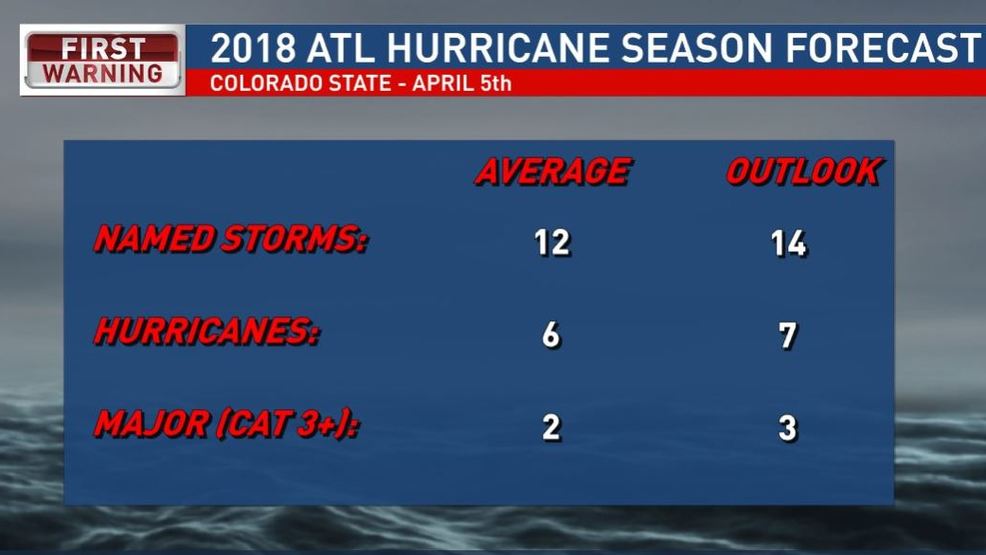
An above‑average Atlantic hurricane season forecast signals heightened storm activity driven by warming oceans, and it calls for informed preparedness and climate‑resilient actions.
Quick Answer
An above‑average Atlantic hurricane season is a forecast that predicts more frequent and potentially stronger tropical cyclones than the historical average, primarily because rising sea surface temperatures provide additional energy to storms. Scientists, using NOAA’s seasonal outlook and climate models, conclude that the season is likely to see increased storm counts and higher intensities, though exact tracks remain uncertain. The main implication is greater risk to coastal communities, infrastructure, and ecosystems, demanding enhanced preparedness and long‑term adaptation.
Key Takeaways
- Warmer sea surface temperatures are the strongest driver of an above‑average season.
- Higher storm frequency and intensity raise risks for coastal populations and ecosystems.
- Scientific confidence is high that climate change amplifies hurricane energetics, but exact regional impacts retain uncertainty.
- Effective responses combine mitigation of greenhouse‑gas emissions with adaptive measures such as resilient building codes and natural‑coastal buffers.
- Individual actions matter when they support community‑level preparedness and demand climate‑smart policies.
What Is Above-Average Atlantic Hurricane Season Forecast Raises Alarm?
The term refers to a seasonal outlook issued by agencies such as the National Oceanic and Atmospheric Administration (NOAA) that predicts a higher than normal number of tropical storms, hurricanes, and major hurricanes (Category 3 or higher) in the Atlantic basin for a given year. “Above‑average” is defined relative to the long‑term climatological mean of 12 named storms, six hurricanes, and three major hurricanes (NOAA, 2024). The forecast does not guarantee that every storm will make landfall, but it signals an elevated probability of severe weather events that can affect the United States, the Caribbean, and the Gulf of Mexico.
How Does It Work?
1. Sea‑Surface Temperature (SST) Increase
Warm water (>26.5 °C) supplies latent heat, which fuels the convection that powers tropical cyclones. Satellite observations show that the Atlantic Main Development Region has warmed by about 0.3 °C per decade since the 1980s (NOAA, 2023). Higher SSTs raise both the frequency of storm genesis and the maximum potential intensity.
2. Atmospheric Moisture and Instability
Warmer air holds more water vapor (≈7 % per °C). Enhanced moisture reduces the entrainment of dry air, allowing storms to maintain stronger updrafts. Climate model ensembles consistently link increased atmospheric humidity to higher hurricane intensity.
3. Wind Shear and Steering Currents
Vertical wind shear can inhibit storm development, while low‑shear environments promote intensification. Seasonal forecasts incorporate predictions of shear patterns derived from the El Niño‑Southern Oscillation (ENSO) and the Atlantic Multidecadal Oscillation (AMO). An active AMO phase, which has persisted since the early 1990s, tends to suppress shear over the Atlantic.
4. Ocean Heat Content (OHC)
Beyond surface temperature, the depth of warm water determines a storm’s ability to sustain intensity. High OHC prevents the storm’s circulation from mixing cooler water to the surface, a process known as “cold‑wake” cooling.
What Does the Evidence Show?
Multiple lines of evidence converge on the conclusion that a warming climate is increasing Atlantic hurricane activity. Long‑term records from the National Hurricane Center show a statistically significant upward trend in the proportion of Category 3‑5 storms since the 1980s (Knutson et al., 2021, peer‑reviewed). Model simulations from the Coupled Model Intercomparison Project Phase 6 (CMIP6) attribute roughly 30 % of the observed increase in Atlantic major hurricane frequency to anthropogenic greenhouse‑gas forcing (IPCC, 2022). Attribution studies also find that the probability of a storm reaching Category 5 has roughly doubled compared with the pre‑industrial baseline.
Main Causes or Drivers
Direct Causes
- Elevated sea‑surface temperatures in the tropical Atlantic.
- Increased atmospheric moisture content.
- Reduced vertical wind shear during peak months (August–October).
Underlying Drivers
- Global greenhouse‑gas emissions leading to ocean warming.
- Natural climate variability such as the positive phase of the AMO.
- Changes in the Atlantic Meridional Overturning Circulation that affect heat transport.
Environmental and Human Impacts
Environmental Impacts
Strong hurricanes erode coastal dunes, damage coral reefs, and alter freshwater inflows, which can shift salinity regimes in estuaries. These changes affect fish spawning grounds and can reduce biodiversity in near‑shore habitats. Additionally, storm‑driven runoff can transport nutrients and pollutants into marine systems, exacerbating harmful algal blooms.
Human Health and Social Impacts
Storm surge and flooding increase the risk of water‑borne diseases, especially in low‑income neighborhoods with limited infrastructure. Power outages and displacement can exacerbate mental‑health stressors. Vulnerable groups—children, older adults, and people with disabilities—face heightened exposure during evacuations.
Economic and Infrastructure Impacts
Damage to housing, roads, and ports can run into billions of dollars; the 2020 Atlantic season caused over $65 billion in U.S. losses (NOAA, 2021). Rebuilding costs strain municipal budgets and can delay other public investments.
Regional Differences
The Gulf Coast, the southeastern United States, and the Caribbean islands experience the highest storm surge exposure due to low‑lying topography. In contrast, the mid‑Atlantic states often see higher wind damage but less surge. The Caribbean’s small island economies are particularly sensitive because tourism and fisheries dominate their GDP, making recovery slower after a major hurricane.
What Scientists Know With High Confidence
- Warmer ocean temperatures increase the potential intensity of tropical cyclones.
- Atmospheric warming raises moisture content, which supports stronger convection.
- Human‑caused greenhouse‑gas emissions are a primary driver of the observed ocean warming trend.
- Historical data show a rise in the proportion of major hurricanes over the past four decades.
What Remains Uncertain
Key uncertainties include the exact magnitude of future storm frequency under different emissions pathways, the role of regional ocean currents in modulating heat content, and how land‑use changes (e.g., coastal development) will interact with storm impacts. Improved high‑resolution modeling and expanded buoy networks are needed to narrow these gaps.
Common Misconceptions
Misconception: “All hurricanes are caused by climate change.”
Reality: Hurricanes are natural weather phenomena that have occurred for millennia. Climate change does not create hurricanes, but it amplifies the conditions—especially warm sea surface temperatures—that make them more intense and frequent.
Misconception: “A single season’s forecast predicts exact storm tracks.”
Reality: Seasonal forecasts provide probabilistic information about the total number and average intensity of storms, not precise paths. Track forecasts are made only as individual storms develop.
Misconception: “Only coastal residents need to worry about hurricanes.”
Reality: Inland areas can suffer from heavy rainfall, flooding, and tornadoes spawned by hurricanes. Supply‑chain disruptions and power outages also affect interior regions.
Solutions and Limitations
Mitigation efforts focus on reducing greenhouse‑gas emissions through renewable energy adoption, energy efficiency, and carbon pricing. While essential for long‑term risk reduction, mitigation alone does not eliminate near‑term hazard exposure. Adaptation strategies—such as elevating structures, enforcing stricter building codes, restoring mangroves and wetlands, and improving early‑warning systems—directly lower vulnerability. However, these measures require significant investment, land‑use planning, and community engagement, and they may be constrained by socioeconomic inequities.
What Individuals, Communities, and Governments Can Do
What Individuals Can Do
- Support policies that accelerate clean‑energy transition.
- Prepare personal emergency kits and develop family evacuation plans.
- Participate in local tree‑planting or wetland restoration projects that act as natural storm buffers.
What Communities and Organizations Can Do
- Implement community‑wide risk assessments and update zoning ordinances to discourage development in high‑risk flood zones.
- Invest in resilient infrastructure, such as flood‑resistant utilities and elevated roadways.
- Conduct regular public‑awareness drills and provide multilingual emergency‑communication resources.
What Governments Can Do
- Allocate funding for climate‑resilient upgrades to critical facilities (hospitals, shelters, power grids).
- Integrate climate projections into coastal‑management plans and enforce setback regulations.
- Offer incentives for private‑sector adoption of green building standards and nature‑based solutions.
Closing Synthesis
An above‑average Atlantic hurricane season forecast reflects a robust scientific consensus that a warming climate is intensifying tropical storms. While uncertainties remain about exact future frequencies, the evidence clearly links higher sea‑surface temperatures to stronger hurricanes. Preparing for these events requires a dual approach: aggressive mitigation to curb further warming and targeted adaptation to protect vulnerable communities and ecosystems. By aligning policy, infrastructure, and community action, societies can reduce harm and build lasting resilience against the storms of a changing climate.
Frequently Asked Questions
What does an "above‑average Atlantic hurricane season" mean?
It means the seasonal outlook predicts more named storms, hurricanes, and major hurricanes than the long‑term average for the Atlantic basin, indicating a higher probability of severe weather impacts.
How does ocean warming influence hurricane intensity?
Warmer sea‑surface temperatures increase the latent heat available to storms, boosting convection and allowing hurricanes to reach higher maximum potential intensity, a relationship confirmed by observations and climate‑model studies.
Which regions are most vulnerable to increased hurricane activity?
The Gulf Coast, southeastern United States, and Caribbean islands face the greatest storm‑surge and wind risk, while inland areas can still experience serious flooding, tornadoes, and power outages from hurricane remnants.
What are the most effective adaptation measures for coastal communities?
Elevating buildings, restoring mangroves and wetlands, enforcing stricter building codes, and improving early‑warning and evacuation planning are evidence‑based actions that reduce damage and protect lives.
Can individual actions help reduce hurricane risk?
Individuals cannot stop storms, but supporting clean‑energy policies, preparing emergency kits, and participating in local resilience projects contribute to community preparedness and broader climate mitigation.





Leave a Comment