As humanity marches forward into an age defined by unparalleled technological advancements, we remain stalked by a relentless specter: climate change. Envision it as an intricate tapestry, woven from the threads of our actions and inactions, with each strand representing a decision—some ephemeral, others monumental—that affects the Earth’s delicate balance. This phenomenon is not merely a scientific abstraction; it is an imminent reality that gnaws at the very foundations of ecosystems, economies, and societies.
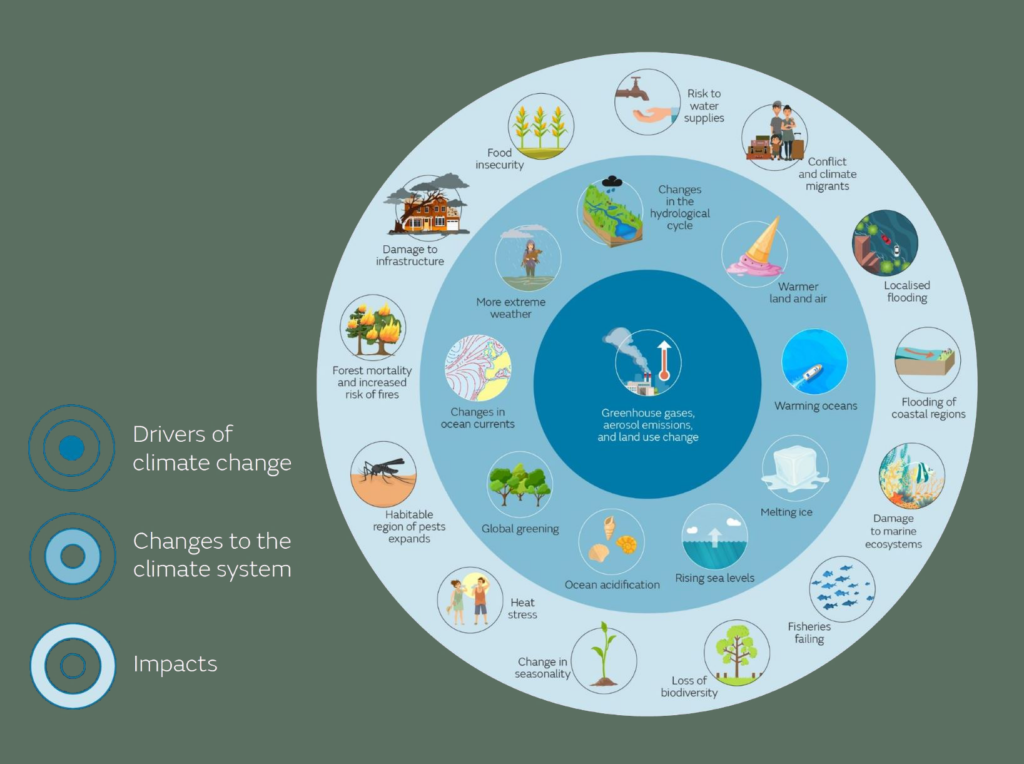
The term “climate change” evokes a kaleidoscope of images: melting glaciers cascading into turbulent seas, parched earth cracking beneath a merciless sun, and tempestuous storms raking coastlines with unyielding ferocity. However, at its core, climate change encapsulates the gradual yet relentless alteration of our planet’s climate systems, primarily driven by anthropogenic influences. Consider carbon dioxide as the unwelcome guest at a cherished gathering, whose incessant presence—resulting from fossil fuel combustion, deforestation, and other human activities—alters the atmosphere’s chemistry and ultimately disrupts the climate equilibrium.
The genesis of climate change stems back to the industrial revolution when humanity first harnessed the power of fossil fuels. At that time, little did we fathom the consequences wrought by our newfound energy. Factories blossomed like wildflowers, billowing smoke and releasing greenhouse gases, transforming atmospheric conditions with alarming speed. If we liken the Earth to a finely tuned orchestra, the advent of industrialization was akin to a discordant note, rippling through the melody of nature.
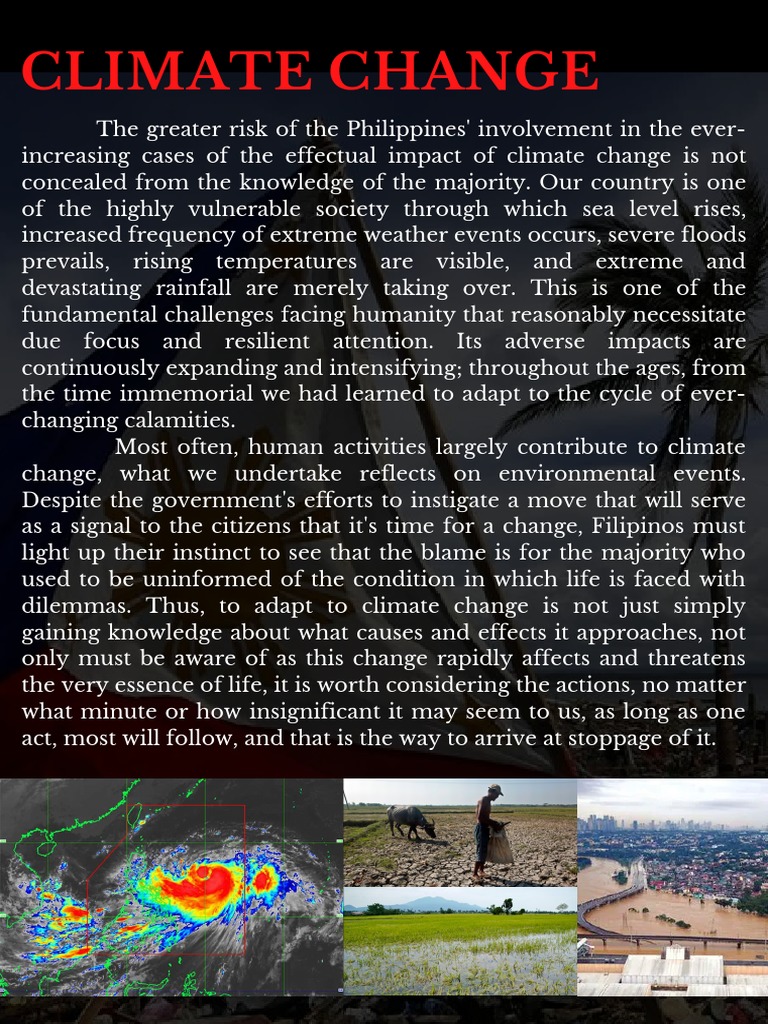
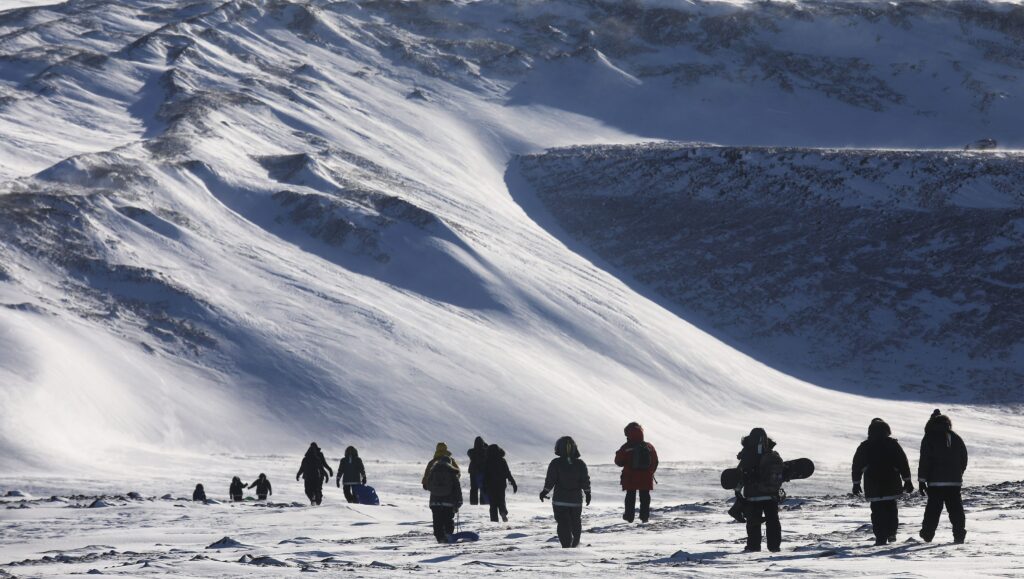
Statistics offer a sobering glance at our plight. In recent decades, the planet’s average temperature has surged nearly 1.2°C above pre-industrial levels, sending shockwaves through ecosystems worldwide. The polar ice caps, once steadfast sentinels guarding our planet’s temperatures, are retreating into the abyss, raising sea levels and threatening coastal communities. Marine environments, too, suffer under this relentless assault: coral reefs, often called the rainforests of the sea, are bleaching at an alarming rate due to rising temperatures and acidifying oceans.
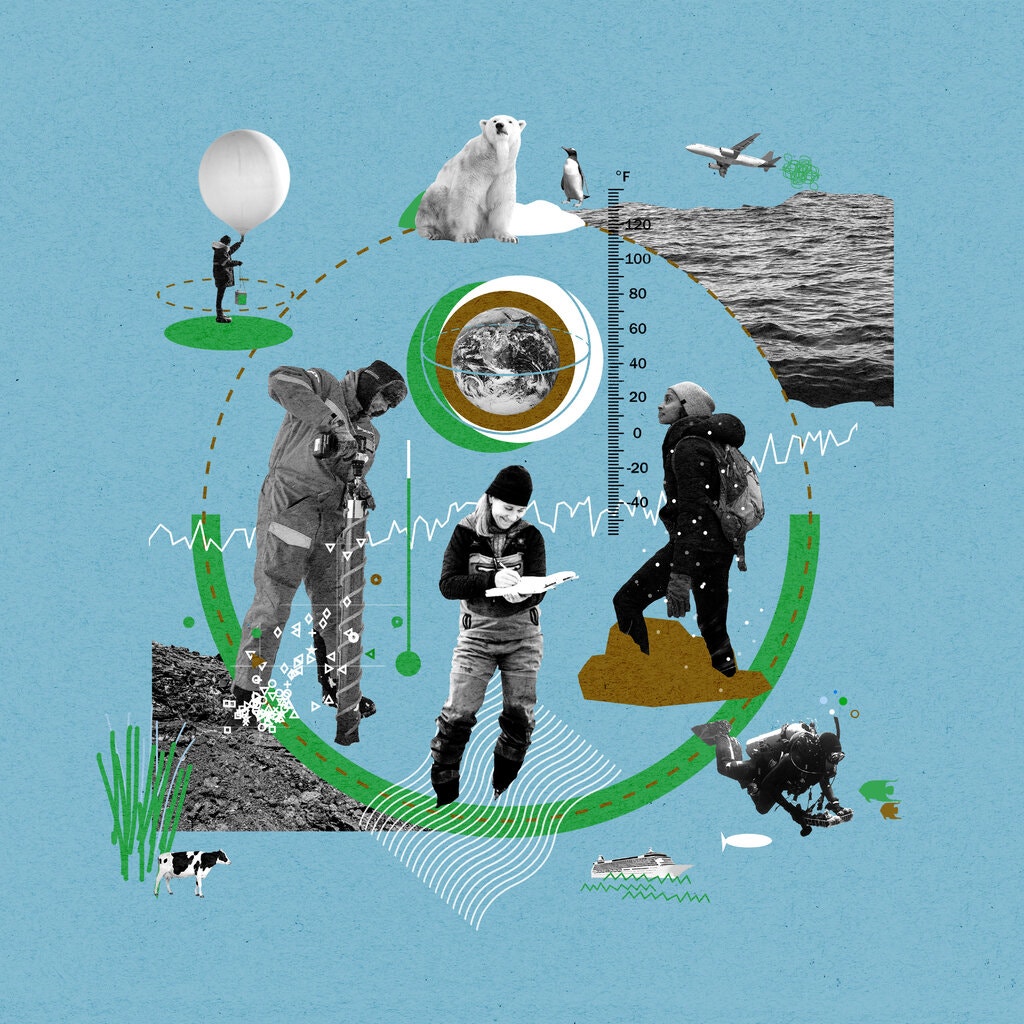
The repercussions of climate change resonate throughout every living organism, casting a wide net of impact. Witness the plight of polar bears, emblematic of a species struggling to adapt to rapidly changing habitats; their fate intertwines with ours, illustrating the precarious threads binding us to the ecosystem. The shifting climate also acts as a magnifying glass, amplifying existing inequalities within human society. Vulnerable populations, particularly in developing nations, bear the brunt of increasing natural disasters and food insecurity, struggling against an invisible foe that disregards borders or status.
However, hope persists amid this tumultuous narrative. The dawn of renewable energy emerges as a beacon of change—a testament to human ingenuity and resilience. Solar panels rise from rooftops like blooming flowers, harnessing the sun’s rays to provide sustainable power. Wind turbines, elegant sentinels of the plains, seamlessly convert the breath of the Earth into clean energy. These technologies do not simply represent a shift in energy sources; they signify a profound awakening to the urgency of our environmental responsibilities.
To engage in meaningful discourse around climate change, we must forge a collective identity steeped in stewardship and responsibility. It is no longer a solitary endeavor confined to activists or scientists; it demands the attention and action of every individual. Imagine communities uniting—planting trees, advocating for policies that prioritize sustainability, or reducing consumerism in favor of reparative practices. Each small action, while seemingly insignificant, coalesces into a powerful movement, like rivulets flowing into a river, creating a current capable of shifting paradigms.
Furthermore, education forms the cornerstone of understanding climate change, equipping future generations with knowledge and tools to navigate the complexities of this issue. Incorporating climate literacy into curricula can cultivate a generation steeped in ecological awareness, ready to innovate and challenge status quos. If we can instill a reverence for nature in our youth—a recognition of their place within the larger ecological narrative—they may become the vanguards of transformation, guiding us toward a sustainable future.
However, acknowledging climate change mandates facing uncomfortable truths. It is not merely an environmental concern; it is intricately woven with issues of economic justice, health, and political integrity. The rhetoric surrounding climate action often confines itself to the language of graphs and decibels, sidelining the human element. For change to manifest, it must resonate on an emotional level, compelling individuals to connect their experiences and values to the larger narrative of climate justice.
As we stand at this crucial crossroads, we have a choice. We can either succumb to the inaction born from apathy and despair, or we can rise to embrace the challenge of climate change with tenacity and resolve. Let us not recount a tale of mourning for lost ecosystems but weave a narrative of resilience and regeneration. The threads of our future are yet to be spun—each decision we make today contributes to the fabric of tomorrow. Together, we can shape a legacy not characterized by destruction, but by flourishing ecosystems and sustainable practices that honor the beautiful, intricate tapestry of life.






Leave a Comment