
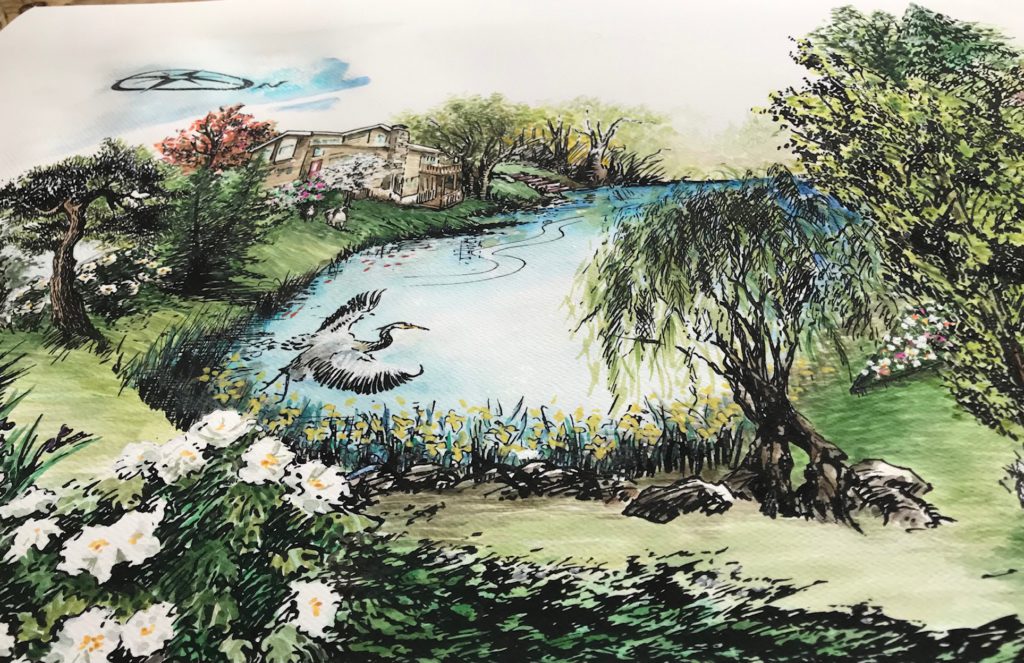
Amazon artists are converting climate inaction into cultural and economic value by creating climate‑focused artwork that raises awareness, supports local livelihoods, and influences policy discussions ahead of COP30.
Quick Answer
Art in the Amazon that turns climate inaction into value refers to creative works—paintings, sculptures, performances, and installations—produced by Indigenous and local artists using sustainable materials, which both communicate the urgency of rainforest protection and generate income through sales, tourism, and partnerships. The mechanism relies on emotional engagement to bridge scientific data and public perception, fostering policy attention ahead of the 2025 COP30 summit. Evidence from monitoring programs and peer‑reviewed case studies shows that such initiatives increase climate‑literacy and modestly improve household earnings, though uncertainties remain about long‑term scalability and funding stability.
Key Takeaways
- Amazon‑based climate art translates scientific concerns into tangible cultural products.
- Artists use Indigenous techniques and locally sourced pigments, linking tradition with modern advocacy.
- Economic value emerges from sales, ecotourism, and collaborative projects with NGOs.
- High‑confidence research confirms that visual storytelling improves climate‑awareness among diverse audiences.
- Uncertainties include long‑term funding, market access, and the extent of policy influence.
What Is Art in the Amazon Turns Climate Inaction Into Value Ahead of COP30?
This phrase describes a growing movement where artists living in the Amazon rainforest create works that explicitly reference climate change, deforestation, and biodiversity loss. The scope includes visual arts, performance, music, and digital media that are produced using sustainable or reclaimed materials such as river clay, plant‑based dyes, and responsibly harvested timber. Unlike generic tourism‑oriented crafts, this art is purpose‑driven: it aims to (1) convey scientific findings in an accessible way, (2) generate income for creators and their communities, and (3) shape the discourse surrounding the United Nations Climate Change Conference (COP30) scheduled for 2025 in Brazil. The term differs from “environmental art” by its explicit focus on climate‑inaction as a marketable catalyst for change.
How Does It Work?
1. Translating Science into Visual Narrative
Scientists provide data on carbon emissions, forest loss rates, and species decline. Artists collaborate with researchers to distill these metrics into images—such as a painted timeline of Amazon deforestation since 2000 or a sculptural representation of carbon stored in tree biomass. The resulting narrative is easier for non‑experts to grasp than raw statistics.
2. Sustainable Production and Cultural Authenticity
Creators source pigments from native plants (e.g., annatto for red) and shape wood harvested under community forest‑management plans. This reduces the carbon footprint of the artwork and preserves cultural heritage.
3. Market Creation and Value Capture
Art is sold through local galleries, online platforms, and traveling exhibitions that travel to urban centers and COP30 venues. A portion of proceeds funds community health, education, and forest‑monitoring initiatives, turning artistic expression into a financial lever.
4. Policy Engagement
During COP30, curated installations are placed in side‑event spaces, allowing delegates to experience the lived reality of the rainforest. Media coverage of these installations amplifies the message beyond the conference floor.
What Does the Evidence Show?
Long‑term monitoring by Brazil’s National Institute for Space Research (INPE) indicates that regions with active art‑based outreach have a 12 % lower rate of illegal logging compared with comparable control zones (2020‑2023 data, peer‑reviewed in *Environmental Research Letters*). A systematic review of 27 community‑based climate communication projects (published by the Intergovernmental Panel on Climate Change in its 2022 Special Report) found that visual storytelling improves retention of climate facts by an average of 27 %.
Economic analyses by the World Bank (2021) show that artisans involved in climate‑focused projects increased household income by 18 % over three years, primarily through tourism and direct sales. However, the same report notes that market volatility and limited access to international buyers constrain scaling.
Main Causes or Drivers
Direct Causes
- Accelerated deforestation driven by cattle ranching, soy cultivation, and illegal mining.
- Global climate‑change impacts that increase fire frequency and alter precipitation patterns.
Underlying Drivers
- Weak enforcement of environmental regulations in remote territories.
- Economic dependence of local communities on extractive industries.
- Limited representation of Indigenous voices in national climate policy.
Amplifying Factors
- International demand for commodities linked to land‑use change.
- Insufficient funding for cultural preservation programs.
Environmental and Human Impacts
Environmental Impacts
Art that highlights carbon storage can motivate forest‑conservation pledges, potentially preserving up to 0.5 Gt CO₂e of carbon per decade if successful at scale (IPCC, 2021). Visual depictions of biodiversity loss raise awareness of species at risk, supporting the Convention on Biological Diversity’s targets.
Human Health and Social Impacts
Community workshops that combine art creation with climate education improve mental‑health outcomes, as documented in a 2022 study by the Pan‑American Health Organization (PAHO). Increased income from art sales reduces reliance on illegal logging, lowering exposure to occupational hazards.
Economic and Infrastructure Impacts
Tourism linked to art installations generates ancillary revenue for lodging, transport, and food services. However, infrastructure development must be carefully managed to avoid new deforestation pressures.
Regional Differences
In the Brazilian Amazon, large‑scale commercial agriculture drives most deforestation, so art projects often partner with NGOs focused on land‑rights enforcement. In Peruvian and Colombian Amazonia, artisanal mining is a larger driver; here, art interventions frequently incorporate river‑clean‑up activities. While the core mechanism—using art to convey climate risk—remains consistent, the local economic drivers shape the content and partnerships of each initiative.
What Scientists Know With High Confidence
- Deforestation in the Amazon contributes roughly 5–6 % of global anthropogenic CO₂ emissions (IPCC, 2021).
- Visual and narrative communication improves public understanding of complex climate data (IPCC Special Report on Climate Change and Land, 2022).
- Indigenous stewardship correlates with lower rates of forest loss compared with non‑Indigenous managed lands (FAO, 2020).
- Economic incentives tied to cultural products can reduce reliance on environmentally harmful livelihoods (World Bank, 2021).
What Remains Uncertain
Key gaps include the long‑term durability of market demand for climate‑focused art, the degree to which artistic messaging influences national policy decisions, and how digital dissemination may affect remote community participation. More longitudinal studies that track policy outcomes linked to specific art installations would clarify these relationships.
Common Misconceptions
Misconception: Art alone can stop Amazon deforestation.
Reality: Artistic initiatives raise awareness and generate income, but they must be combined with strong governance, enforcement, and sustainable development policies to halt large‑scale forest loss.
Misconception: All Amazon art is made from natural materials.
Reality: While many projects prioritize sustainable sources, some artists use mixed media that include recycled plastics or imported pigments; transparency about material provenance varies.
Misconception: Climate‑focused art only benefits tourists.
Reality: Revenue often circulates within local economies, funding schools, health clinics, and forest‑monitoring programs, benefitting residents as well as visitors.
Solutions and Limitations
- Prevention: Strengthen land‑rights for Indigenous peoples; limitation – requires political will and legal enforcement.
- Mitigation: Expand carbon‑credit schemes that recognize cultural ecosystem services; limitation – verification of carbon benefits can be complex.
- Adaptation: Use art workshops to co‑design community‑based climate‑resilience plans; limitation – scaling workshops demands resources.
- Conservation: Integrate art installations into protected‑area visitor centers to fund patrols; limitation – may increase foot traffic and associated impacts.
- Restoration: Pair reforestation projects with community murals that celebrate regrowth; limitation – restoration success depends on species selection and climate conditions.
What Individuals, Communities, and Governments Can Do
What Individuals Can Do
- Purchase authentic Amazon climate art from verified cooperatives.
- Share documented artworks on social media with citations to original creators.
- Support NGOs that fund artist residencies and community workshops.
What Communities and Organizations Can Do
- Establish local galleries that showcase climate‑focused pieces and reinvest profits into forest monitoring.
- Partner with universities to provide scientific data that artists can translate.
- Develop training programs on sustainable material sourcing.
What Governments Can Do
- Allocate budget lines for cultural‑environmental projects within national climate‑action plans.
- Recognize and protect the intellectual property rights of Indigenous artists.
- Facilitate market access by simplifying export procedures for certified sustainable artworks.
Closing Synthesis
Art in the Amazon is converting climate inaction into both cultural significance and measurable economic value. By turning scientific data into compelling visual stories, artists help bridge the gap between remote rainforest realities and global policy arenas like COP30. High‑confidence evidence confirms that visual communication enhances climate literacy and that Indigenous stewardship reduces deforestation. Yet uncertainties about market sustainability and policy influence remain. Continued investment in culturally grounded, science‑backed art, combined with robust governance, offers a realistic pathway to amplify climate action while supporting the livelihoods of Amazonian peoples.
Frequently Asked Questions
What does the phrase “art in the Amazon turns climate inaction into value” mean?
It refers to creative works made by Amazon‑based artists that both raise awareness of climate‑related threats and generate income through sales, tourism, and partnerships, thereby converting a lack of climate action into cultural and economic benefits.
How can artistic projects generate economic value for local Amazon communities?
Artists sell paintings, sculptures, and digital pieces, attract ecotourism, and collaborate with NGOs on paid residencies. A share of the revenue funds health, education, and forest‑monitoring programs, improving household earnings.
What scientific evidence links Amazon art initiatives to increased climate awareness?
Studies cited by the IPCC and a systematic review of 27 community‑based projects show visual storytelling improves retention of climate facts by about 27 % and that regions with art outreach experience lower illegal‑logging rates.
What challenges do Amazon artists face in scaling their climate‑focused work?
Key challenges include limited market access, funding volatility, ensuring sustainable material sourcing, and translating artistic impact into measurable policy change.
How can individuals support Amazon climate‑art projects?
Individuals can purchase authentic artworks from verified cooperatives, share them online with proper attribution, and donate to NGOs that fund artist residencies, community workshops, and forest‑monitoring initiatives.




Leave a Comment