
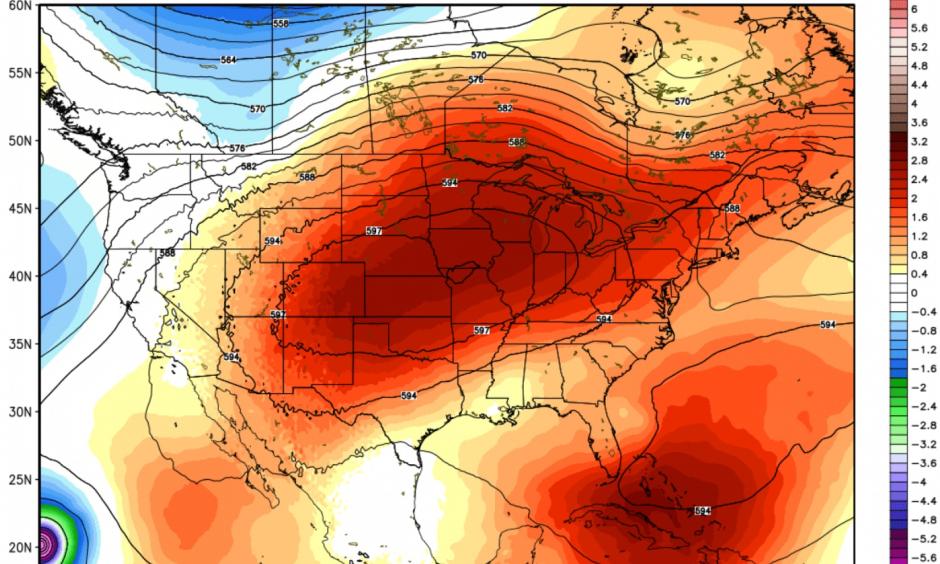
A massive heat dome over the United States forms when a persistent high‑pressure ridge traps warm air, intensifying temperatures, stressing ecosystems, and highlighting the link between extreme heat events and a warming climate.
Quick Answer
A heat dome is a large, stationary high‑pressure system that suppresses vertical air movement, causing descending air to compress and heat up. This creates a feedback loop where solar radiation and surface warming are trapped, leading to prolonged extreme temperatures across broad regions of the United States. Scientific assessments show that a warming climate increases the frequency and intensity of such domes, which pose serious risks to human health, agriculture, and infrastructure. While the basic physics are well understood, uncertainties remain about how regional land‑use changes and atmospheric circulation patterns will modify future dome characteristics.
Key Takeaways
- Heat domes are high‑pressure ridges that trap warm air, producing multi‑day extreme heat.
- Rising greenhouse‑gas concentrations increase the likelihood of stronger, longer‑lasting domes.
- Impacts include heat‑related illnesses, crop stress, water shortages, and heightened wildfire risk.
- Vulnerable populations—elderly, children, low‑income communities—experience disproportionate health effects.
- Adaptation measures such as cooling centers, resilient crop varieties, and urban greening can reduce exposure, but mitigation of emissions remains essential.
What Is A Massive Heat Dome Over the U.S.: Causes, Impacts, and Climate Links?
A heat dome is a meteorological term for a large, quasi‑stationary high‑pressure system that inhibits upward motion of air. When air descends under the dome, it compresses, warms, and dries, creating a pocket of hot, stagnant air near the surface. In the United States, such domes can span several thousand kilometers, covering multiple states for days to weeks. The phenomenon differs from a typical heat wave because the dome’s pressure structure actively sustains the heat, rather than merely reflecting a short‑term temperature spike.
How Does It Work?
Atmospheric Mechanics
- Formation of a ridge. Upper‑level troughs on either side force the jet stream to bulge northward, creating a ridge of high pressure.
- Subsidence. Air within the ridge sinks, increasing pressure at the surface. As the air descends, it compresses and warms adiabatically.
- Radiative trapping. Clear skies under the dome allow intense solar radiation to heat the ground, while the high‑pressure layer limits convective mixing that would otherwise disperse heat.
- Feedback loops. Warmed surface emits longwave radiation that is partially re‑absorbed by the moist lower atmosphere, reinforcing the dome’s temperature.
Key Feedbacks
- Soil moisture depletion reduces evaporative cooling, allowing surface temperatures to rise further.
- Urban heat islands amplify dome effects in cities by adding anthropogenic heat.
- Reduced cloud formation under strong subsidence limits the natural albedo increase that could reflect sunlight.
What Does the Evidence Show?
Long‑term monitoring by the National Oceanic and Atmospheric Administration (NOAA) indicates a statistically significant upward trend in the number of days with temperatures exceeding 100 °F (38 °C) across the central and southern United States since the 1970s. Attribution studies published in the journal *Nature Climate Change* (2021) use ensemble climate model simulations to demonstrate that the probability of a heat dome of the magnitude observed in the 2020s is roughly three times higher in a world with doubled pre‑industrial CO₂ levels than in a baseline climate. The Intergovernmental Panel on Climate Change (IPCC) Fifth Assessment Report (2014) concluded with high confidence that heat‑wave frequency will increase in most land regions as global mean temperature rises. Together, these lines of evidence link a warming climate to more frequent and intense heat‑dome events.
Main Causes or Drivers
Direct Atmospheric Drivers
- Strengthening of the subtropical jet stream, which can reinforce ridge formation.
- Enhanced radiative forcing from increased greenhouse gases, raising baseline tropospheric temperatures.
Underlying Climate Drivers
- Anthropogenic carbon emissions that elevate global average temperatures.
- Land‑surface changes such as urban expansion and deforestation, which modify local albedo and moisture fluxes.
Amplifying Natural Factors
- El Niño‑Southern Oscillation phases that alter Pacific‑to‑North‑American storm tracks, occasionally favoring ridge persistence.
- Natural variability in the Atlantic Multidecadal Oscillation, which can modulate temperature gradients.
Environmental and Human Impacts
Environmental Impacts
- Vegetation stress. Prolonged heat and low soil moisture increase evapotranspiration demand, leading to wilting, reduced photosynthetic rates, and higher mortality in heat‑sensitive species.
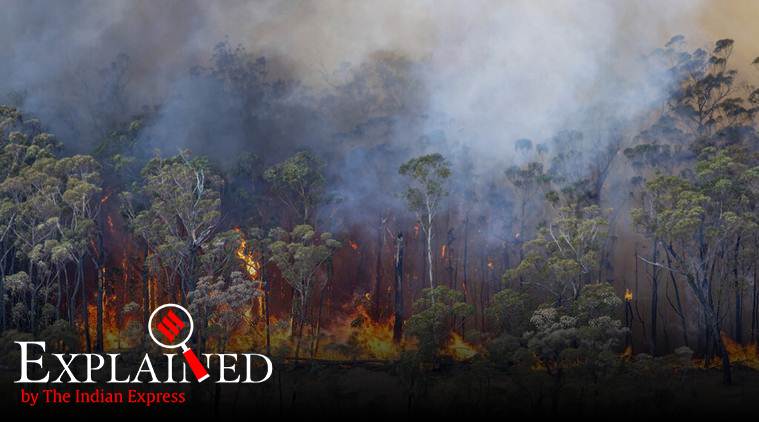
- Wildfire risk. Drier fuels combined with high temperatures raise the probability of ignition; the 2023 western U.S. fire season coincided with a persistent heat dome.
- Water resources. Accelerated evaporation reduces reservoir levels and groundwater recharge, stressing municipal supplies.
Human Health and Social Impacts
- Heat‑related illnesses—including heat exhaustion and heatstroke—rise sharply when temperatures exceed 95 °F (35 °C) for multiple consecutive days. The Centers for Disease Control and Prevention (CDC) reports that each 1 °F (0.6 °C) increase in daily maximum temperature is associated with a 1‑2 % rise in mortality among adults over 65.
- Low‑income neighborhoods often lack air‑conditioning and green space, leading to higher exposure and limited coping capacity.
- Heat stress reduces labor productivity, particularly in outdoor occupations such as construction and agriculture, potentially costing billions in lost output each summer.
Economic and Infrastructure Impacts
- Power grids experience peak load spikes as cooling demand surges; rolling blackouts have occurred in Texas and California during past heat domes.
- Road surfaces soften and expand, increasing maintenance needs and accident rates.
- Agricultural yields of heat‑sensitive crops (e.g., corn, soybeans) can decline 5‑15 % under extreme heat episodes, influencing food prices.
Regional Differences
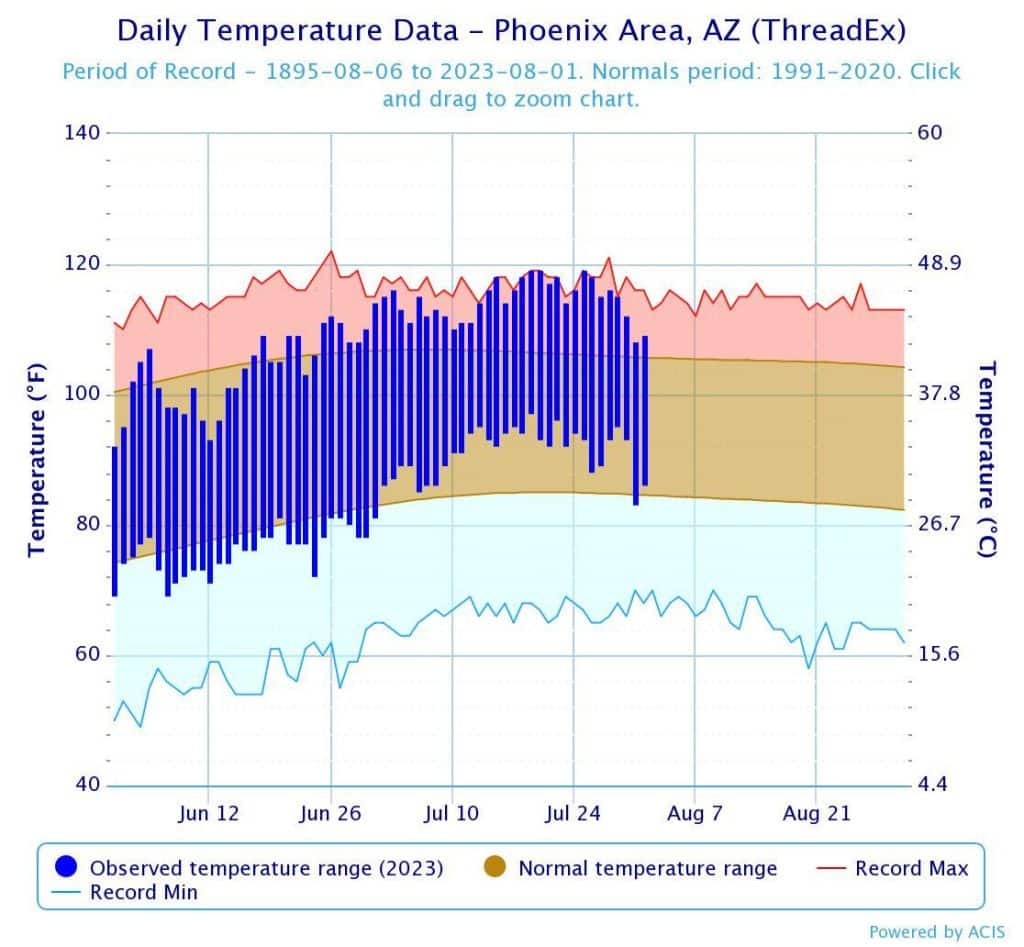
Heat‑dome intensity varies with latitude, elevation, and land cover. The Southwest, characterized by arid soils and limited vegetation, typically experiences the highest temperature anomalies, while the Midwest sees greater humidity, intensifying heat‑stress indices such as the heat‑index. Coastal regions benefit from sea‑breeze moderation but can still suffer from inland heat advection. Urban centers like Phoenix, Dallas, and Chicago report higher nighttime temperatures due to the urban heat island effect, extending heat exposure beyond daylight hours.
What Scientists Know With High Confidence
- High‑pressure ridges suppress vertical air motion, leading to subsidence warming.
- Global warming raises the baseline temperature, making extreme heat events more likely.
- Heat domes increase the risk of heat‑related mortality, especially among vulnerable groups.
- Frequent heat domes exacerbate drought and wildfire conditions in the western United States.
What Remains Uncertain
Key uncertainties include the precise magnitude of future heat‑dome frequency under different emissions pathways, the role of regional land‑use change in modulating dome intensity, and how combined heat‑dome and humidity stress will affect human health thresholds. Improved high‑resolution climate modeling and expanded observational networks are needed to narrow these gaps.
Common Misconceptions
Misconception: Heat domes are the same as regular heat waves.
Reality: A heat wave is a period of unusually high temperatures, whereas a heat dome is a specific atmospheric configuration that actively sustains those temperatures by trapping heat.
Misconception: One extreme event proves climate change.
Reality: Individual events cannot alone confirm climate change, but attribution studies show that a warming climate makes such events more probable and more severe.
Misconception: Only the South feels the effects.
Reality: While southern states often experience higher absolute temperatures, heat‑related health impacts and infrastructure strain occur nationwide, especially in densely populated urban areas.
Solutions and Limitations
Addressing heat‑dome risks requires both mitigation—reducing greenhouse‑gas emissions—and adaptation. Mitigation lowers the long‑term probability of extreme domes but cannot reverse near‑term exposure. Adaptation measures such as expanding cooling centers, enhancing urban canopy cover, and developing heat‑tolerant crop varieties can reduce immediate vulnerability. However, these actions entail trade‑offs: extensive tree planting requires water, and retrofitting buildings for cooling can be cost‑prohibitive for low‑income residents. Therefore, a balanced portfolio of policies is essential.
What Individuals, Communities, and Governments Can Do
What Individuals Can Do
- Stay informed about local heat alerts and use community cooling centers when needed.
- Improve home energy efficiency—seal leaks, install reflective roofing, and use programmable thermostats—to reduce cooling demand.
- Support policies that promote renewable energy and urban greening through voting and civic engagement.
What Communities and Organizations Can Do
- Develop heat‑action plans that identify vulnerable neighborhoods and allocate resources for cooling shelters.
- Invest in green infrastructure—street trees, cool pavements, and shaded public spaces—to lower ambient temperatures.
- Partner with local health departments to provide outreach and check‑in services for at‑risk residents during extreme heat periods.
What Governments Can Do
- Implement building codes that require heat‑resilient designs, such as adequate insulation and ventilation.
- Fund regional climate monitoring networks to improve early‑warning capabilities.
- Adopt ambitious emissions‑reduction targets consistent with the Paris Agreement to limit future heat‑dome intensification.
Closing Synthesis
Massive heat domes arise from persistent high‑pressure ridges that trap warm air, a process amplified by a warming climate. Robust evidence links rising greenhouse‑gas concentrations to more frequent and intense domes, which in turn threaten public health, ecosystems, and critical infrastructure across the United States. While scientists are confident about the basic physics and the heightened risk, uncertainties persist regarding regional amplification and future frequency under different emissions scenarios. Effective response combines rapid emissions mitigation with targeted adaptation—urban greening, resilient building standards, and equitable cooling resources—to protect the most vulnerable and to lessen the long‑term trajectory of extreme heat.
Frequently Asked Questions
What exactly is a heat dome and how does it differ from a regular heat wave?
A heat dome is a large, stationary high‑pressure system that suppresses upward air movement, causing descending air to compress and warm, which traps heat over a broad area. Unlike a typical heat wave, which is simply a period of high temperatures, a heat dome’s pressure structure actively sustains the heat, making the event longer‑lasting and more intense.
How does climate change influence the frequency or intensity of heat domes?
Climate change raises the baseline temperature of the atmosphere, which makes the formation of strong high‑pressure ridges more likely. Modeling studies show that under doubled pre‑industrial CO₂ levels, the probability of a heat dome of the magnitude seen in recent decades is roughly three times higher than in a climate without such warming.
What are the main health risks associated with a massive heat dome in the United States?
Heat domes increase the risk of heat‑related illnesses such as heat exhaustion and heatstroke, especially for older adults, children, and low‑income populations lacking air‑conditioning. The CDC reports a 1‑2 % rise in mortality for each 1 °F increase in daily maximum temperature among adults over 65, and heat stress can also exacerbate chronic conditions like cardiovascular disease.
Which regions of the U.S. experience the most severe effects from heat domes?
The Southwest typically sees the highest temperature spikes due to its arid climate and limited vegetation. The Midwest experiences higher humidity, which raises heat‑index values, while urban centers across the country suffer from amplified nighttime temperatures because of the urban heat island effect.
What practical steps can communities take to reduce vulnerability to heat domes?
Communities can develop heat‑action plans that identify vulnerable neighborhoods, expand cooling centers, and invest in green infrastructure such as street trees and cool pavements. Partnering with health agencies for outreach and providing resources for at‑risk residents are also effective adaptation measures.






Leave a Comment