
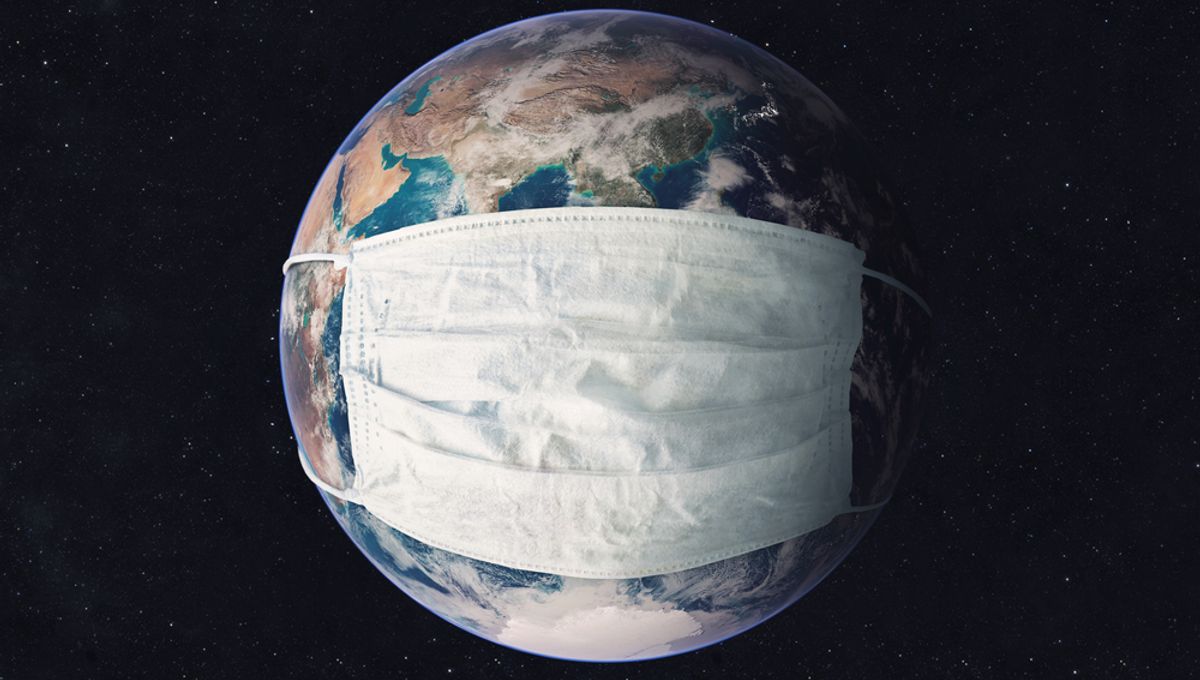
Climate change alters the distribution, seasonality, and severity of eight historic diseases—malaria, tuberculosis, cholera, Zika, dengue, influenza, Lyme disease, and West Nile virus—by influencing vectors, pathogens, and human vulnerability.
Quick Answer
Eight infectious diseases have profoundly reshaped human history, and a warming climate intensifies their spread by expanding suitable habitats for vectors, lengthening transmission seasons, and stressing populations through heat‑related malnutrition and displacement. Scientists with high confidence report that rising temperatures and altered precipitation patterns already shift malaria, dengue, and tick‑borne illnesses into new regions, while evidence for other diseases remains moderate or emerging. The most important implication is that public‑health systems must integrate climate adaptation to protect vulnerable communities, even as uncertainties about future disease dynamics persist.
Key Takeaways
- Warmer temperatures expand the geographic range of mosquito and tick vectors, exposing new populations to malaria, dengue, Zika, and Lyme disease.
- Extreme weather events (floods, droughts) increase cholera risk by contaminating water supplies and compromising sanitation.
- Climate‑induced socioeconomic stress, such as food insecurity, can exacerbate tuberculosis transmission and severity.
- High‑confidence evidence links climate change to altered seasonality of influenza and West Nile virus through changes in bird migration and mosquito replication rates.
- Effective responses combine vector control, resilient water infrastructure, disease surveillance, and climate‑aware health planning.
What Is 8 Diseases That Changed the World—and How Climate Influences Them?
The phrase refers to eight infectious diseases—malaria, tuberculosis (TB), cholera, Zika virus, dengue fever, influenza, Lyme disease, and West Nile virus—that have caused major mortality spikes, social disruption, or lasting public‑health reforms. Each disease interacts with the environment, but climate change modifies key ecological drivers: temperature, precipitation, humidity, and extreme events. Understanding these links helps explain why historic pandemics re‑emerge or spread to new areas as the planet warms.
How Does It Work?
1. Vector‑borne diseases (malaria, Zika, dengue, West Nile, Lyme)
Warmer air and water accelerate the life cycle of mosquitoes and ticks, shortening the incubation period of the pathogen inside the vector (the extrinsic incubation period). Higher temperatures also increase biting frequency, raising the number of human contacts per day. Precipitation creates breeding sites for Aedes and Anopheles mosquitoes, while drought can concentrate humans and vectors around limited water sources, further enhancing transmission.
2. Water‑borne disease (cholera)
Vibrio cholerae thrives in warm, brackish water. Heavy rainfall and flooding can mix sewage with drinking water, while higher sea surface temperatures boost bacterial growth. Climate‑related infrastructure strain reduces the capacity to treat water safely.
3. Air‑borne disease (influenza, TB)
Influenza viruses circulate in wild bird populations; shifts in bird migration caused by altered temperature gradients can move viral strains into new regions. For TB, climate stressors such as heat‑related malnutrition weaken immune defenses, increasing susceptibility to latent infection reactivation.
What Does the Evidence Show?
Long‑term monitoring by the World Health Organization (WHO) and national health ministries documents northward expansion of malaria and dengue cases in the past two decades, coinciding with average temperature rises of 0.2–0.3 °C per decade (IPCC, 2021). Systematic reviews of field studies (e.g., a 2020 meta‑analysis in *The Lancet Planetary Health*) find a consistent association between increased precipitation variability and cholera outbreaks in South Asia and East Africa. Modeling studies published by the Centers for Disease Control and Prevention (CDC) indicate that a 2 °C warming scenario could increase the annual global burden of Zika by up to 30 % in temperate zones, though regional uncertainties remain high.
Main Causes or Drivers
Direct climate drivers
- Rising average temperatures that extend the viable range of vectors.
- Changes in rainfall intensity and seasonality that create or destroy breeding habitats.
- Increased frequency of extreme events (storms, floods, droughts) that disrupt sanitation and health services.
Underlying socioeconomic drivers
- Urbanization without adequate water and waste management, amplifying exposure to vector habitats.
- Poverty‑related malnutrition, which lowers immune competence for TB and other infections.
- Limited health‑care infrastructure that hampers early detection and treatment.
Environmental and Human Impacts
Environmental Impacts
Vector expansion alters ecosystem balances; for example, increased Aedes populations can outcompete native insects, affecting pollination networks. Flood‑driven cholera outbreaks signal degradation of freshwater quality, threatening biodiversity that depends on clean streams.
Human Health and Social Impacts
Higher disease incidence strains health systems, increases mortality, and can trigger migration. In 2021, WHO reported that malaria‑related deaths rose by 12 % in highland regions of East Africa, where communities previously had limited immunity. Economic losses from dengue hospitalizations in Southeast Asia average US$8 billion annually, according to a 2022 WHO economic assessment.
Economic and Infrastructure Impacts
Outbreaks demand emergency response spending, disrupt tourism, and reduce labor productivity. Infrastructure damage from floods that spread cholera often requires costly water‑treatment upgrades.
Regional Differences
In sub‑Saharan Africa, rising temperatures have pushed malaria transmission into higher altitude zones of Ethiopia and Kenya. In contrast, temperate Europe sees expanding tick habitats, leading to increased Lyme disease cases in Scandinavia and the Baltic states. South‑East Asia experiences more frequent cholera spikes after monsoon floods, whereas the United States observes higher West Nile virus activity in the Midwest during hotter summers.
What Scientists Know With High Confidence
- Temperature is a primary determinant of mosquito and tick vector distribution.
- Heavy rainfall and flooding increase cholera risk by contaminating drinking water.
- Climate‑related socioeconomic stress amplifies TB vulnerability.
- Observed shifts in malaria and dengue incidence align with documented climate trends across multiple continents.
What Remains Uncertain
Key uncertainties include the magnitude of future Zika spread under different socioeconomic development pathways, the exact thresholds at which temperature changes will trigger new malaria‑endemic zones, and how evolving viral genetics may interact with climate‑driven host migration. Limited surveillance in low‑resource regions hampers precise quantification of these dynamics, meaning projections retain a range of possible outcomes.
Common Misconceptions
Misconception: Climate change will eliminate all infectious diseases.
Reality: Climate change reshapes disease patterns rather than eradicating pathogens; some diseases may decline in certain areas while others emerge elsewhere.
Misconception: Only tropical regions are at risk.
Reality: Vector‑borne diseases are moving into temperate zones, as documented for dengue in southern Europe and Lyme disease in northern latitudes.
Misconception: Vaccines alone can solve climate‑driven disease spread.
Reality: Vaccination is essential but must be paired with climate‑adapted public‑health measures such as vector control, water infrastructure, and surveillance.
Solutions and Limitations
Effective strategies fall into three categories:
- Prevention: Insecticide‑treated bed nets, indoor residual spraying, and community clean‑water programs reduce exposure but face challenges like insecticide resistance and maintenance costs.
- Adaptation: Strengthening disease‑surveillance systems to detect climate‑linked spikes early; however, data gaps in many low‑income regions limit timely response.
- Mitigation: Reducing greenhouse‑gas emissions curtails long‑term climate drivers, yet benefits accrue over decades, requiring sustained political commitment.
Each approach carries trade‑offs: intensive pesticide use can harm non‑target species, while large‑scale water projects may displace communities if not carefully planned.
What Individuals, Communities, and Governments Can Do
What Individuals Can Do
- Eliminate standing water around homes to reduce mosquito breeding.
- Support local clean‑water initiatives and advocate for resilient sanitation infrastructure.
- Stay informed about vaccination recommendations for influenza and travel‑related diseases.
What Communities and Organizations Can Do
- Implement community‑based vector‑control programs that involve regular habitat inspections.
- Develop early‑warning systems that integrate climate data with health surveillance.
- Promote education campaigns on safe water storage during flood seasons.
What Governments Can Do
- Invest in climate‑resilient health infrastructure, including temperature‑controlled storage for vaccines.
- Adopt integrated vector‑management policies that combine chemical, biological, and environmental methods.
- Incorporate health impact assessments into national climate‑adaptation plans.
Closing Synthesis
The eight diseases highlighted have each been reshaped by climate‑driven environmental changes, from expanding mosquito habitats to water‑quality degradation. High‑confidence evidence confirms that rising temperatures and altered precipitation patterns are already influencing disease distribution, while uncertainties remain about the precise future trajectories of emerging pathogens. Addressing these challenges requires coordinated prevention, adaptation, and mitigation actions that respect ecological limits and prioritize vulnerable populations.
Frequently Asked Questions
How does climate change affect the spread of malaria?
Warmer temperatures lengthen the breeding season of Anopheles mosquitoes and allow them to survive at higher altitudes, expanding malaria risk into regions that were previously too cool for transmission.
Why are cholera outbreaks linked to extreme weather events?
Heavy rainfall and flooding can mix contaminated sewage with drinking water, while higher sea surface temperatures promote Vibrio cholerae growth, both of which increase the likelihood of cholera outbreaks.
What evidence shows that dengue is moving into temperate zones?
Surveillance data from the European Centre for Disease Prevention and Control documented increasing dengue cases in southern Europe since 2010, correlating with warmer summer temperatures and more frequent rainstorms that create mosquito breeding sites.
Can reducing greenhouse‑gas emissions lower disease risk?
Yes, mitigation limits long‑term temperature rise, which in turn slows the expansion of vector habitats and reduces the frequency of climate‑driven extreme events that trigger water‑borne disease outbreaks.
What practical steps can communities take to limit vector‑borne diseases?
Communities can eliminate standing water, conduct regular clean‑up campaigns, use insecticide‑treated bed nets, and establish local disease‑surveillance networks that integrate climate data for early warning.







Leave a Comment