
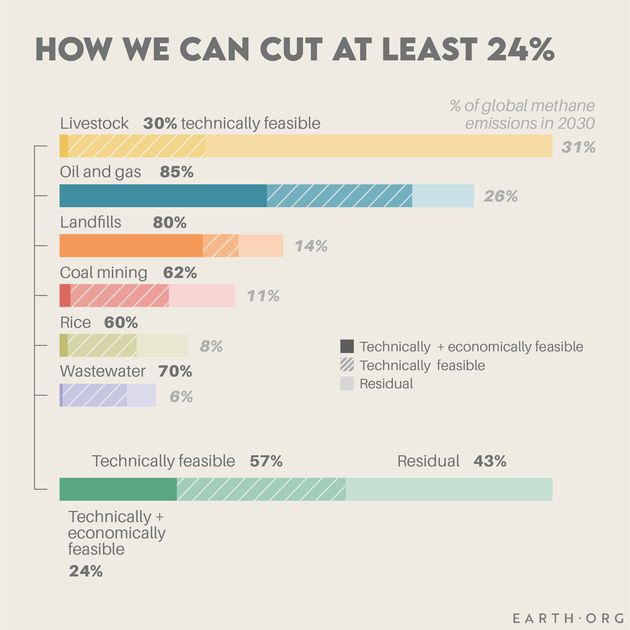
105 nations have pledged to reduce global methane emissions by 30 % by 2030, a step that could quickly lower warming and improve air quality.
Quick Answer
The Global Methane Pledge is a voluntary international agreement in which 105 countries commit to cut methane emissions by 30 % relative to 2020 levels by the year 2030. Methane is a short‑lived but highly potent greenhouse gas; reducing it yields rapid climate benefits and ancillary air‑quality gains. The pledge focuses on key sectors—agriculture, waste, and oil & gas—through tighter regulations, improved practices, and new monitoring technologies. While the target is scientifically feasible, its success depends on political will, financing, and consistent reporting, leading to moderate uncertainty about full‑scale achievement.
Key Takeaways
- Methane accounts for roughly 25 % of current human‑driven warming despite a atmospheric lifetime of about 12 years.
- The 30 % reduction target aligns with the Intergovernmental Panel on Climate Change’s pathway to limit warming to 1.5 °C.
- Agriculture, landfills, and the oil‑and‑gas sector together generate about 80 % of global anthropogenic methane.
- Advanced detection (satellite, aerial) and capture technologies can cut leaks and turn methane into usable energy.
- Implementation challenges include financing, regulatory capacity, and ensuring equity for affected communities.
- Individual actions matter most when they support systemic change—e.g., demanding low‑leak supply chains.
What Is 105 Countries Join Global Methane Pledge to Cut Emissions 30% by 2030?
The pledge is a collective, non‑binding commitment announced at the United Nations Climate Change Conference (COP26) and reinforced at subsequent meetings. Signatory nations agree to submit national methane reduction plans, improve monitoring, and report progress transparently. The target—30 % reduction by 2030 compared with 2020 emissions—covers all major anthropogenic sources and is measured in terms of carbon‑dioxide‑equivalent (CO₂e) emissions. Unlike carbon‑price mechanisms, the pledge relies on policy reforms, technology adoption, and international cooperation rather than market trading.
How Does It Work?
1. Baseline Establishment
Each country quantifies its 2020 methane emissions using standardized methodologies from the United Nations Environment Programme (UNEP) and the World Bank’s Global Methane Initiative. This baseline informs the 30 % reduction calculation.
2. Sector‑Specific Strategies
- Agriculture: Improve livestock diets, adopt anaerobic digesters for manure, and promote precision feeding to lower enteric fermentation.
- Landfills: Increase organic‑waste diversion, expand composting, and install gas‑capture systems that feed electricity grids.
- Oil & Gas: Deploy continuous leak detection (satellite, infrared cameras), repair faulty valves, and phase out routine flaring.
3. Monitoring and Reporting
Countries use satellite‑based observations (e.g., ESA’s Sentinel‑5P) alongside ground‑based sensors to verify emissions. Annual public reports are submitted to a UN‑hosted registry, creating a transparent accountability loop.
4. International Support
Developed nations provide technical assistance and financing through the Global Methane Fund, enabling low‑income signatories to adopt costly capture technologies and capacity‑building programs.
What Does the Evidence Show?
Multiple lines of evidence confirm that methane reduction delivers rapid climate benefits. The Intergovernmental Panel on Climate Change (IPCC) Fifth Assessment Report (AR5, 2014) identified methane’s 28‑fold higher global warming potential over a 100‑year horizon compared with CO₂. Subsequent peer‑reviewed meta‑analyses (e.g., Saunois et al., 2020, Earth System Science Data) estimate that a 30 % cut could avoid about 0.2 °C of warming by 2050. Field trials of anaerobic digesters have shown manure‑methane reductions of 30‑60 % (FAO, 2021). Satellite monitoring in 2022 detected a 5 % decline in global methane hotspots after early‑adopter policies were implemented, indicating measurable impact when policies are enforced.
Main Causes or Drivers
Direct Sources
- Enteric fermentation in ruminants (cattle, sheep).
- Manure management practices that allow anaerobic decomposition.
- Organic waste decomposition in landfills.
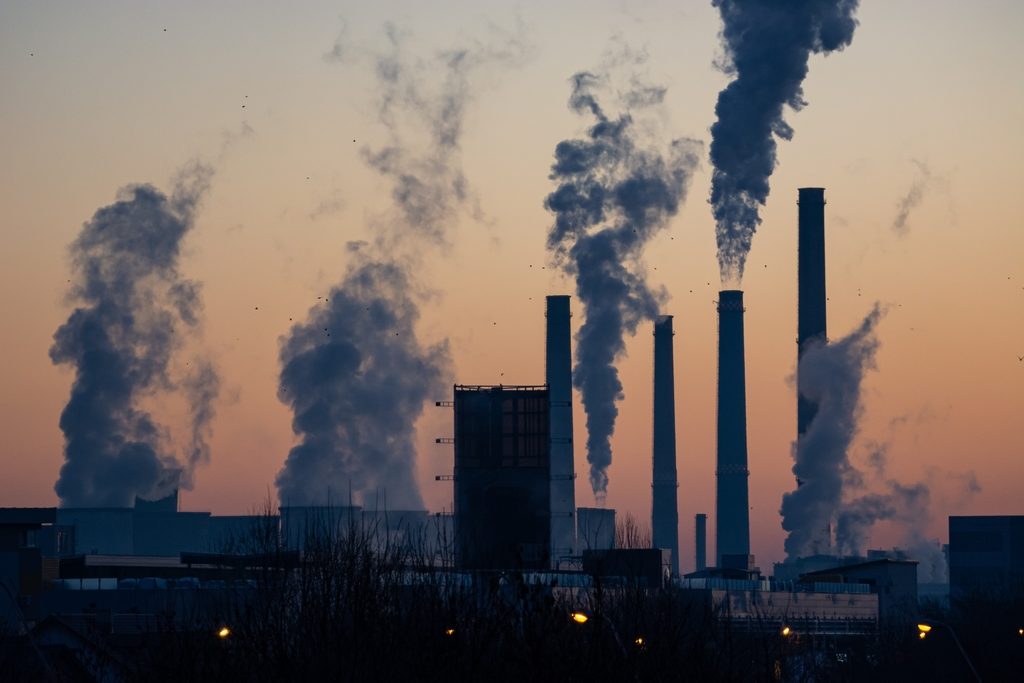
- Fugitive emissions from oil‑and‑gas production, processing, and distribution.
Underlying Drivers
- Increasing global demand for animal‑protein, especially in emerging economies.
- Rapid urbanization leading to larger municipal solid‑waste streams.
- Legacy infrastructure with aging pipelines and poorly maintained venting equipment.
- Policy gaps that allow routine flaring and venting without cost recovery.
Environmental and Human Impacts
Environmental Impacts
Because methane persists for roughly 12 years, cutting emissions yields near‑term cooling, slowing the rate of Arctic ice loss and reducing heat stress on coral reefs. Methane oxidation also forms ground‑level ozone, a harmful pollutant; reductions improve regional air quality, especially in agricultural basins.
Human Health and Social Impacts
Lower ozone levels lessen respiratory ailments such as asthma. Communities near intensive livestock operations or oil‑and‑gas fields often experience higher exposure to volatile organic compounds; emission cuts can reduce these health disparities.
Economic and Infrastructure Impacts
Capturing methane for energy can generate revenue, offsetting mitigation costs. However, retrofitting pipelines or installing landfill‑gas recovery requires upfront capital, which may strain budgets in low‑income nations without international support.
Regional Differences
Emission profiles vary widely. In South America, livestock accounts for over 60 % of national methane, whereas in the Middle East, oil‑and‑gas leaks dominate. European Union members benefit from stringent regulations and mature gas‑monitoring networks, enabling faster progress. In contrast, many Sub‑Saharan African countries face data gaps, making baseline estimation challenging.
What Scientists Know With High Confidence
- Methane’s global warming potential is roughly 28–34 times that of CO₂ over 100 years (IPCC, AR6, 2021).
- Reducing methane yields climate benefits within a decade due to its short atmospheric lifetime.
- Livestock and fossil‑fuel sectors together emit about 80 % of anthropogenic methane.
- Satellite‑based observations can reliably detect large methane leaks (>10 kt per year).
What Remains Uncertain
Key uncertainties include the exact magnitude of methane emissions from small‑scale, informal agricultural practices in low‑income regions, and the cost‑effectiveness of large‑scale landfill‑gas capture in rapidly urbanizing cities. Additionally, the long‑term durability of policy frameworks—especially after political transitions—remains an open question. Improved ground‑based monitoring and standardized reporting will reduce these gaps.
Common Misconceptions
Misconception: Cutting methane alone can solve climate change.
Reality: Methane reduction is a powerful short‑term lever but must be combined with CO₂ mitigation to achieve long‑term climate goals.
Misconception: Methane is only a problem for the oil‑and‑gas industry.
Reality: Agriculture and waste management together generate the majority of global methane, so sector‑wide action is required.
Misconception: The pledge is legally binding and will automatically enforce cuts.
Reality: The pledge is voluntary; success depends on national policy choices, financing, and transparent reporting.
Solutions and Limitations
Effective responses combine technology, policy, and behavioral change. Advanced leak‑detection can locate emissions quickly, but equipment costs and data‑management capacity limit rapid rollout in developing nations. Anaerobic digesters capture methane from manure, yet they require reliable electricity markets to be economically viable. Landfill‑gas recovery produces renewable energy, but only where waste streams are sufficiently large and regulated. Policy tools such as methane fees or performance standards can drive reductions, but they must be designed to avoid disproportionate impacts on smallholder farmers.
What Individuals, Communities, and Governments Can Do
What Individuals Can Do
- Choose lower‑impact protein sources (e.g., plant‑based meals) to reduce demand for high‑emission livestock.
- Support local waste‑diversion programs that compost organic material.
- Advocate for transparent supply chains that disclose methane‑related practices.
What Communities and Organizations Can Do
- Implement community‑scale anaerobic digesters for farms or dairy cooperatives.
- Partner with municipalities to upgrade landfill gas collection systems.
- Host workshops on low‑leak maintenance for small oil‑and‑gas operators.
What Governments Can Do
- Adopt national methane reduction plans aligned with the 30 % target and submit them to the UN registry.
- Provide subsidies or low‑interest loans for methane‑capture technologies.
- Enforce stricter leak‑detection requirements for oil‑and‑gas infrastructure.
- Facilitate data sharing through open‑source satellite platforms.
Closing Synthesis
The 105‑nation methane pledge represents a decisive step toward rapid climate mitigation, leveraging the gas’s short lifetime to achieve near‑term cooling and air‑quality benefits. Scientific evidence confirms that targeting agriculture, waste, and fossil‑fuel sectors can deliver the pledged 30 % cut, though success hinges on financing, regulatory capacity, and equitable policy design. While uncertainties remain—particularly in low‑data regions—ongoing monitoring and international support can close gaps. Coordinated technology deployment, robust policy frameworks, and informed public engagement together chart a realistic pathway to meet the 2030 goal and safeguard both climate and public health.
Frequently Asked Questions
What is the Global Methane Pledge?
The Global Methane Pledge is a voluntary agreement signed by 105 countries to cut anthropogenic methane emissions by 30 % relative to 2020 levels by 2030, focusing on agriculture, waste, and oil‑and‑gas sectors.
How does reducing methane affect global warming?
Methane has a global warming potential about 28‑34 times that of CO₂ over 100 years, but it remains in the atmosphere for only about 12 years. Cutting methane therefore slows warming quickly, offering near‑term climate cooling and reducing heat stress on ecosystems.
Which sectors are the biggest sources of methane?
Agriculture (especially enteric fermentation and manure), solid‑waste landfills, and oil‑and‑gas production together account for roughly 80 % of all human‑made methane emissions worldwide.
What are the main challenges to achieving the 30 % reduction?
Key challenges include financing costly capture and detection technologies, building regulatory capacity in low‑income countries, ensuring equitable outcomes for affected communities, and maintaining policy continuity across political cycles.
What actions can individuals take to support the methane pledge?
Individuals can lower demand for high‑methane livestock by choosing plant‑based meals, support local composting and waste‑diversion programs, and advocate for transparent supply chains that prioritize low‑leak practices.




Leave a Comment