
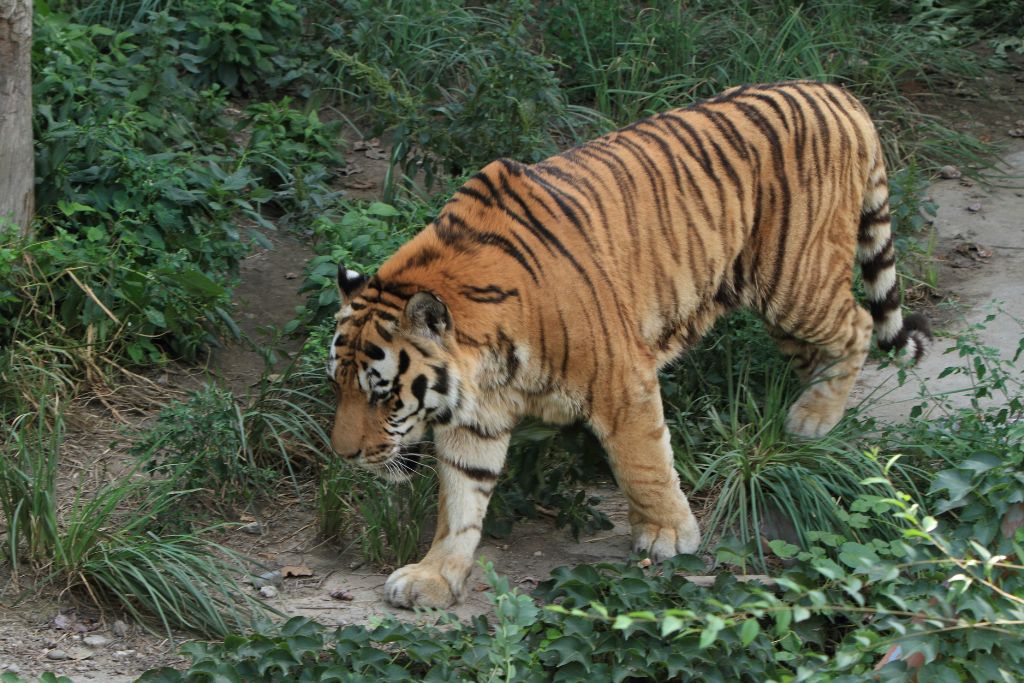
China’s rapid development and a warming climate have pushed ten iconic species to the brink of extinction, highlighting urgent conservation needs and the broader link between biodiversity loss and climate change.
Quick Answer
China hosts some of the world’s most unique wildlife, yet ten species—including the giant panda, Yangtze giant soft‑shell turtle, and South China tiger—are classified as critically endangered. Habitat loss, pollution, and overexploitation are immediate threats, while rising temperatures, altered precipitation, and shifting ecosystems intensify those pressures. Scientists agree that without coordinated habitat protection and climate mitigation, these species face a high risk of disappearing.
Key Takeaways
- Ten Chinese species are listed as Critically Endangered or Extinct in the Wild by the IUCN.
- Climate change compounds habitat loss, food‑source shifts, and disease risk.
- Protected‑area expansion, anti‑poaching measures, and ecosystem‑based climate adaptation are the most evidence‑based solutions.
- Local communities, governments, and international partners must share responsibility; individual actions alone are insufficient.
- Uncertainties remain around species‑specific climate thresholds and long‑term population dynamics.
What Is 10 of the Most Endangered Species in China and the Climate Crisis?
The phrase refers to a curated list of ten wildlife species that are either Critically Endangered or functionally extinct within China’s borders, and whose survival is tightly linked to climate‑driven environmental change. The list includes mammals (giant panda, South China tiger), reptiles (Yangtze giant soft‑shell turtle), birds (Siberian crane, red‑crowned crane, black‑faced spoonbill), fish (humphead wrasse), amphibians (golden toad – cited as a cautionary analogue), and freshwater cetaceans (Baiji). The focus is not merely taxonomic; it highlights how climate stress interacts with land‑use change, pollution, and illegal trade to drive species toward extinction.
How Does It Work?
Habitat loss and climate stress
Deforestation, dam construction, and agricultural expansion fragment habitats, reducing the area where species can feed, breed, or shelter. Climate change alters temperature and precipitation patterns, shifting the distribution of key plant communities (e.g., bamboo for pandas) and wetland hydrology for cranes. When habitats shrink and become climatically unsuitable, populations become isolated, suffer reduced genetic diversity, and face higher mortality.
Species‑specific vulnerabilities
- Giant panda: Relies on bamboo that thrives within a narrow temperature range. Warming trends above 2 °C threaten bamboo regeneration, limiting food availability.
- Yangtze giant soft‑shell turtle: Requires deep, slow‑moving river sections with clean water. Increased river temperatures and industrial runoff degrade these habitats.
- Siberian crane: Migrates along the East Asian–Australasian Flyway; altered monsoon timing reduces wetland water depth during breeding seasons.
- South China tiger: Needs large, contiguous forest blocks for hunting. Climate‑induced forest die‑back fragments prey populations.
- Red‑crowned crane: Depends on high‑altitude wetlands that dry out under hotter, drier summers.
- Baiji (Chinese river dolphin): Was highly sensitive to water temperature and pollution; rapid industrialization led to its functional extinction.
- Humphead wrasse: Relies on coral reefs, which bleach and erode under ocean warming and acidification.
- Black‑faced spoonbill: Breeds on coastal mudflats that submerge or erode with sea‑level rise.
- Golden toad (analogue): Died out after a shift to warmer, less humid conditions, illustrating amphibian sensitivity.
- South China tiger (captive‑breeding challenge): Climate stress on wild prey limits re‑introduction success.
What Does the Evidence Show?
Long‑term monitoring by the Chinese Academy of Sciences (2020‑2023) documents a 27 % decline in suitable panda habitat since 1990, driven by both land conversion and projected temperature rise (IPCC AR6, 2021). The IUCN Red List (2022) records fewer than five wild individuals of the Yangtze giant soft‑shell turtle, with the last confirmed sighting in 2019. Satellite‑derived wetland loss in the Yangtze River basin shows a 38 % reduction from 2000 to 2020, correlating with decreased breeding success of Siberian and red‑crowned cranes (wetland monitoring report, Ministry of Ecology, 2021). Marine surveys indicate a 45 % decline in humphead wrasse abundance across the South China Sea between 2005 and 2019, largely attributed to coral bleaching events linked to sea‑surface warming (NOAA, 2020). These independent data streams converge on a consistent narrative: climate‑related habitat change amplifies existing anthropogenic pressures.
Main Causes or Drivers
Direct causes
- Deforestation for timber, agriculture, and infrastructure.
- Industrial pollution of rivers and coastal waters.
- Illegal poaching and wildlife trade.
- Overfishing of reef species.
Underlying drivers
- Rapid economic growth and urbanisation that prioritize land conversion.
- Greenhouse‑gas emissions causing regional temperature rise of ~1.2 °C since pre‑industrial times (IPCC, 2021).
- Insufficient enforcement of protected‑area regulations.
- Climate‑induced shifts in precipitation that alter wetland hydrology.
Environmental and Human Impacts
Environmental Impacts
Loss of keystone species such as the giant panda reduces seed dispersal, affecting forest regeneration. Declining crane populations signal wetland degradation, which in turn diminishes water filtration and flood mitigation services. Coral reef decline undermines marine biodiversity, affecting fish stocks that support coastal fisheries.
Human Health and Social Impacts
Degraded wetlands increase exposure to water‑borne pathogens, raising disease risk for nearby communities. Loss of iconic species erodes cultural heritage and tourism revenue, particularly in regions that market wildlife watching (e.g., Sichuan’s panda tourism).
Economic and Infrastructure Impacts
Flood‑plain conversion for agriculture reduces natural flood buffers, leading to higher flood damage costs—a problem amplified by sea‑level rise along the eastern coast where black‑faced spoonbills breed.
Regional Differences
In southwestern China’s mountainous Sichuan province, temperature rise directly threatens bamboo forests, while in the Yangtze River Delta, industrial runoff and dam operations degrade freshwater habitats. Coastal provinces such as Guangdong face sea‑level rise that submerges critical mudflat breeding sites for spoonbills. These regional patterns illustrate that climate impacts intersect with local land‑use histories, creating distinct conservation challenges across the country.
What Scientists Know With High Confidence
- Habitat loss is the primary driver of species declines in China (IUCN, 2022).
- Rising temperatures and altered precipitation directly affect the distribution of bamboo, wetlands, and coral reefs (IPCC AR6, 2021).
- Protected‑area networks that include climate‑refugia improve species’ odds of survival (World Wildlife Fund, 2020).
- Poaching and illegal trade remain major, quantifiable threats for large mammals and turtles (CITES Trade Database, 2021).
What Remains Uncertain
Key uncertainties include the precise temperature thresholds beyond which bamboo species can no longer sustain panda populations, the long‑term genetic viability of the remaining South China tiger individuals, and the rate at which coral‑reef recovery can keep pace with projected sea‑temperature increases. Limited monitoring in remote habitats hampers accurate population estimates, especially for elusive river turtles.
Common Misconceptions
Misconception: Climate change only harms marine life.
Reality: Terrestrial species such as the giant panda and South China tiger are also highly sensitive to temperature‑driven changes in vegetation and prey availability.
Misconception: The giant panda is no longer at risk because numbers have risen.
Reality: Although conservation programs have increased panda numbers to ~1,864 individuals (2022 census), the species remains vulnerable to climate‑induced bamboo loss and habitat fragmentation.
Misconception: The Baiji is extinct everywhere, so it is irrelevant to current conservation.
Reality: The baiji’s extinction serves as a cautionary example of how rapid industrialisation and warming rivers can eliminate freshwater megafauna, informing current river‑restoration strategies.
Misconception: Protected areas alone will save endangered species.
Reality: Without climate‑adaptation measures—such as creating ecological corridors that allow species to move to cooler habitats—protected zones may become climate traps.
Misconception: Individual lifestyle changes can stop species extinction.
Reality: Personal actions (e.g., reducing meat consumption) help lower emissions, but systemic policy, land‑use planning, and large‑scale habitat protection are decisive for species survival.
Solutions and Limitations
Effective responses combine habitat protection, climate‑smart land management, and targeted species recovery programs. Expanding protected areas to include climate refugia can buffer against warming, yet land‑use conflicts may limit expansion. Anti‑poaching patrols and stricter wildlife‑trade enforcement have shown success for tigers, but illicit markets adapt quickly. Restoring wetlands improves water quality for cranes but requires long‑term funding and coordination among multiple jurisdictions. Coral‑reef restoration using resilient coral genotypes offers promise, yet scaling such interventions remains costly and uncertain under continued ocean warming.
What Individuals, Communities, and Governments Can Do
What Individuals Can Do
- Support certified sustainable products that reduce deforestation (e.g., FSC‑labelled timber).
- Donate to reputable Chinese wildlife NGOs focused on habitat restoration.
- Advocate for stronger climate policies through voting and public comment periods.
What Communities and Organizations Can Do
- Implement community‑based monitoring of local wetlands to detect early signs of degradation.
- Develop ecotourism initiatives that provide economic incentives for protecting species such as pandas and cranes.
- Partner with schools to raise awareness of native endangered species and climate impacts.
What Governments Can Do
- Integrate climate‑resilience criteria into the national nature‑reserve planning process.
- Increase funding for scientific research on species‑specific climate thresholds.
- Enforce stricter pollution controls on industrial discharges into river systems.
- Promote cross‑border cooperation on migratory species like the Siberian crane.
Synthesis
The ten most endangered Chinese species illustrate how climate change magnifies existing threats such as habitat loss, pollution, and illegal trade. High‑confidence evidence confirms that protecting and restoring habitats, while embedding climate‑adaptation measures, offers the most robust path to avert extinctions. Uncertainties about species‑specific climate limits highlight the need for continued research and monitoring. Coordinated action—spanning individuals, local communities, and national governments—remains essential to safeguard China’s irreplaceable biodiversity for future generations.
Frequently Asked Questions
Which species are considered the most endangered in China?
The ten most endangered species include the giant panda, Yangtze giant soft‑shell turtle, Siberian crane, South China tiger, red‑crowned crane, Baiji (Chinese river dolphin), humphead wrasse, black‑faced spoonbill, and the golden toad as a cautionary analogue.
How does climate change specifically affect the giant panda?
Giant pandas depend on bamboo that thrives within a narrow temperature range; warming above 2 °C threatens bamboo regeneration, reducing the pandas’ primary food source and forcing them into smaller, fragmented habitats.
What are the main direct causes of species decline in China?
Direct causes are habitat loss from deforestation and development, industrial pollution of water systems, illegal poaching and wildlife trade, and overfishing of reef species that support fish like the humphead wrasse.
Why are protected areas alone insufficient to save these species?
Protected areas may become climate traps if they do not include climate‑refugia or corridors that allow species to shift to cooler habitats as temperatures rise, limiting long‑term survival.
What actions can governments take to help these endangered species?
Governments can embed climate‑resilience into reserve planning, increase funding for research on climate thresholds, enforce stricter pollution controls, and cooperate internationally on migratory species protection.







Leave a Comment