
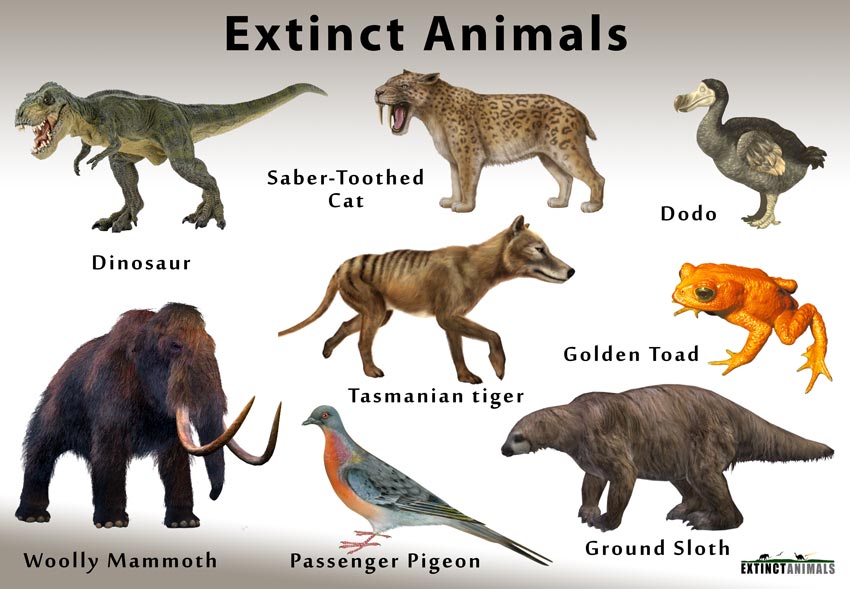
Understanding how many species disappear daily reveals the pace of the biodiversity crisis, the scientific basis for the estimates, and why this matters for ecosystems and people.
Quick Answer
Scientists estimate that between 0 and 150 species may be lost worldwide each day, with most credible assessments centering around 10–20 extinctions per day when accounting for known and undiscovered taxa. Extinction is defined as the complete disappearance of the last living individual of a species. The primary drivers are habitat loss, climate change, overexploitation, pollution, and invasive species. While exact numbers are uncertain because many species remain undocumented, the accelerating rate is well‑supported and signals profound ecological and societal risks.
Key Takeaways
- Current extinction rates are tens to hundreds of times faster than the background (pre‑human) rate.
- Habitat destruction, climate change, overharvesting, pollution, and invasive species are the five dominant drivers.
- Loss of species erodes ecosystem services such as pollination, water purification, and carbon storage.
- Uncertainty remains about exact daily loss because many species are still unknown to science.
- Effective action combines habitat protection, climate mitigation, sustainable resource use, and strong policy enforcement.
What Is How Many Species Actually Go Extinct Each Day?
The phrase refers to the estimated global rate at which species cross the point of no return—when the last viable individual dies and the species can no longer reproduce. It is a metric used by biodiversity assessments to convey the speed of loss in a way that is comparable across taxa and regions. The estimate includes mammals, birds, reptiles, amphibians, fish, insects, plants, fungi, and microorganisms, though data are strongest for vertebrates and flowering plants. It differs from “local extinction” (disappearance from a specific area) and from “extirpation” (regional loss while the species persists elsewhere).
How Does It Work?
Natural Baseline Processes
Extinction is a natural outcome of evolution; species that cannot adapt to changing conditions eventually die out. Over geological time the average background extinction rate is estimated at roughly 0.1–1 species per million species per year (the “background rate”).
Human‑Accelerated Mechanisms
Human activities amplify or create new pressures that push species beyond their adaptive capacity. The process typically follows three steps:
- Habitat alteration: Deforestation, urban expansion, and agricultural conversion remove the physical space species need to survive.
- Direct exploitation: Overfishing, hunting, and illegal wildlife trade reduce population sizes, increasing vulnerability to stochastic events.
- Secondary stressors: Climate change, pollution, and invasive species compound the initial pressures, often causing reproductive failure or disease outbreaks.
When populations fall below a critical threshold—often referred to as the “minimum viable population”—genetic diversity erodes, inbreeding depression rises, and stochastic events (e.g., fire, drought) can cause final collapse.
What Does the Evidence Show?
Multiple lines of evidence converge on a rapid increase in extinction risk:
- Long‑term monitoring: The International Union for Conservation of Nature (IUCN) Red List documents that more than 37,000 species were classified as threatened as of 2022, a number that has risen steadily for three decades.
- Global assessments: The 2019 IPBES Global Assessment estimated that up to 1 million species could be lost by 2100 if current trends continue, implying an average of roughly 100–150 extinctions per day under worst‑case scenarios.
- Historical baselines: Fossil records show that background extinction rates are far lower than contemporary estimates derived from modern monitoring.
- Region‑specific studies: Research in the Amazon, Southeast Asian forests, and coral reef systems consistently reports local extinctions of species that were previously abundant.
These sources differ in methodology, but they all point to a pattern of accelerating loss that far exceeds natural background rates.
Main Causes or Drivers
Habitat Loss and Fragmentation
Land‑use change—primarily driven by agriculture, logging, and infrastructure—removes or isolates habitats. The Food and Agriculture Organization (FAO) reports that between 1990 and 2020, the world lost about 10 % of its primary forest cover, directly threatening countless forest‑dependent species.
Climate Change
Rising temperatures, altered precipitation, and ocean acidification shift species’ climatic envelopes. The IPCC’s Sixth Assessment Report (2021) notes that many terrestrial species are already experiencing range contractions, and marine organisms such as corals face mass bleaching events.
Overexploitation
Unsustainable fishing, hunting, and trade push populations below sustainable thresholds. The World Wildlife Fund estimates that roughly 30 % of marine fish stocks are overfished, a pressure that ripples through marine food webs.
Pollution
Chemical contaminants, plastic debris, and nutrient loading degrade habitats. For example, amphibian declines worldwide are strongly linked to pesticide exposure, as documented in peer‑reviewed meta‑analyses.
Invasive Species
Non‑native organisms outcompete, prey upon, or transmit diseases to native species. Island ecosystems are especially vulnerable; the introduction of rats and cats has caused extinctions of dozens of bird species.
Environmental and Human Impacts
Environmental Impacts
Loss of biodiversity reduces ecosystem resilience, weakening services such as pollination, soil fertility, water regulation, and carbon sequestration. When keystone species disappear, trophic cascades can alter entire community structures.
Human Health and Social Impacts
Reduced pollination threatens food security, especially for crops that feed over 2 billion people. Degraded wetlands increase flood risk, and loss of medicinal plants limits potential drug discoveries. Indigenous cultures that rely on specific species for food, medicine, or spiritual practices also face cultural erosion.
Economic Implications
The World Bank estimates that ecosystem service losses linked to biodiversity decline could cost up to 2 % of global GDP annually by 2050 if unaddressed.
Regional Differences
Extinction drivers manifest differently across biogeographic zones:
- Tropical rainforests (e.g., Amazon, Congo Basin): Deforestation for soy, palm oil, and cattle dominates.
- Temperate regions (e.g., North America, Europe): Urban sprawl and intensive agriculture fragment habitats, while climate‑induced range shifts are pronounced.
- Marine realms (e.g., Coral Triangle): Overfishing and ocean warming drive coral loss and associated fish extinctions.
- Arctic: Melting sea ice threatens polar fauna and triggers ecosystem re‑organization.
Monitoring capacity also varies; high‑income countries maintain extensive biodiversity databases, whereas many low‑income nations lack comprehensive surveys, adding uncertainty to global totals.
What Scientists Know With High Confidence
- Human activities have accelerated global extinction rates to at least 100 times the background rate.
- Habitat loss is the leading direct cause of species decline across most taxa.
- Climate change is already causing measurable range shifts and population reductions for many species.
- Ecosystem services depend on biodiversity; loss of species reduces service provision.
What Remains Uncertain
Key uncertainties include the true number of undiscovered species, especially among insects and microbes, which could alter daily extinction estimates. Additionally, the interaction effects among drivers (e.g., how climate change amplifies habitat loss) are still being quantified, and future socioeconomic pathways will shape the trajectory of biodiversity loss.
Common Misconceptions
Misconception: Extinction is a natural, inevitable process.
Reality: While extinction occurs naturally, the current rate is unprecedentedly rapid and driven largely by humans, making it a preventable crisis.
Misconception: Only charismatic megafauna matter.
Reality: Small organisms such as insects, fungi, and microbes provide essential functions like pollination, decomposition, and nutrient cycling; their loss can destabilize entire ecosystems.
Misconception: One species loss is insignificant.
Reality: Each species contributes uniquely to ecological networks; the cumulative effect of many small losses can trigger cascading extinctions.
Solutions and Limitations
Addressing extinction requires a portfolio of actions:
- Protected areas: Expanding and effectively managing reserves can safeguard habitats, but enforcement gaps and climate change may reduce their long‑term efficacy.
- Habitat restoration: Reforestation and wetland rehabilitation rebuild ecological corridors; however, restored ecosystems may not fully replicate original biodiversity.
- Sustainable resource use: Certification schemes and quotas reduce overexploitation, yet market demand and illegal trade remain challenges.
- Climate mitigation: Reducing greenhouse‑gas emissions slows temperature‑driven habitat loss, but mitigation alone cannot address all drivers.
- Invasive species control: Eradication programs protect vulnerable islands, but complete removal is often costly and technically difficult.
Each strategy involves trade‑offs, such as land‑use conflicts, financing needs, and potential socioeconomic impacts on local communities.
What Individuals, Communities, and Governments Can Do
What Individuals Can Do
Choose sustainably sourced products, reduce food waste, support organizations that protect habitats, and advocate for stronger environmental policies.
What Communities and Organizations Can Do
Implement local habitat restoration projects, create citizen‑science monitoring programs, and develop land‑use plans that balance development with conservation.
What Governments Can Do
Enact and enforce robust biodiversity laws, allocate financing for protected‑area management, integrate biodiversity considerations into climate‑action plans, and support international agreements such as the Convention on Biological Diversity.
Closing Synthesis
The best available evidence shows that species are disappearing at a rate far exceeding natural background levels, driven primarily by habitat loss, climate change, overexploitation, pollution, and invasive species. While exact daily extinction numbers remain uncertain, the trend is clear: biodiversity is eroding, compromising ecosystem services and human well‑being. High‑confidence findings underscore the urgency of comprehensive, evidence‑based actions that combine protection, restoration, sustainable use, and climate mitigation. Addressing remaining uncertainties—especially regarding undocumented species—will require expanded monitoring and research. By aligning individual choices, community initiatives, and strong policy frameworks, society can slow, and potentially reverse, the tide of extinction.
Frequently Asked Questions
What does ‘species extinction per day’ actually measure?
It estimates the number of species that become globally extinct—meaning the last living individual dies—within a 24‑hour period, based on observed trends and scientific modeling.
Why are extinction rates today higher than the natural background rate?
Human activities such as habitat destruction, climate change, overharvesting, pollution, and invasive species increase pressures on populations, causing extinctions that occur tens to hundreds of times faster than the pre‑human background rate.
Which groups of organisms are most at risk right now?
Amphibians, many plants, freshwater fish, and a large proportion of insects show the highest percentages of threatened species, while mammals and birds also face significant risks.
How does species loss affect human societies?
Loss of biodiversity reduces ecosystem services like pollination, water purification, and carbon storage, which can compromise food security, increase flood risk, and limit potential medical discoveries.
What actions can individuals realistically take to help reduce extinction rates?
Individuals can choose sustainably sourced products, reduce waste, support conservation organizations, and advocate for stronger environmental policies that protect habitats and curb climate change.







Leave a Comment