
Explore the hidden history of the seas with a detailed, evidence‑based guide to obscure marine species that have vanished, why they mattered, and what their loss teaches us about today’s ocean health.
Quick Answer
Extinct ocean species are marine organisms that no longer exist anywhere on Earth, as confirmed by fossil records, historic observations, or rigorous scientific assessment. Their disappearance results from a combination of natural events—such as mass extinctions, climate shifts, and ocean chemistry changes—and increasingly from human‑driven pressures like overfishing, habitat loss, and pollution. Understanding these losses helps scientists reconstruct past ecosystems, identify long‑term drivers of marine biodiversity decline, and inform conservation strategies aimed at preventing further extinctions.
Key Takeaways
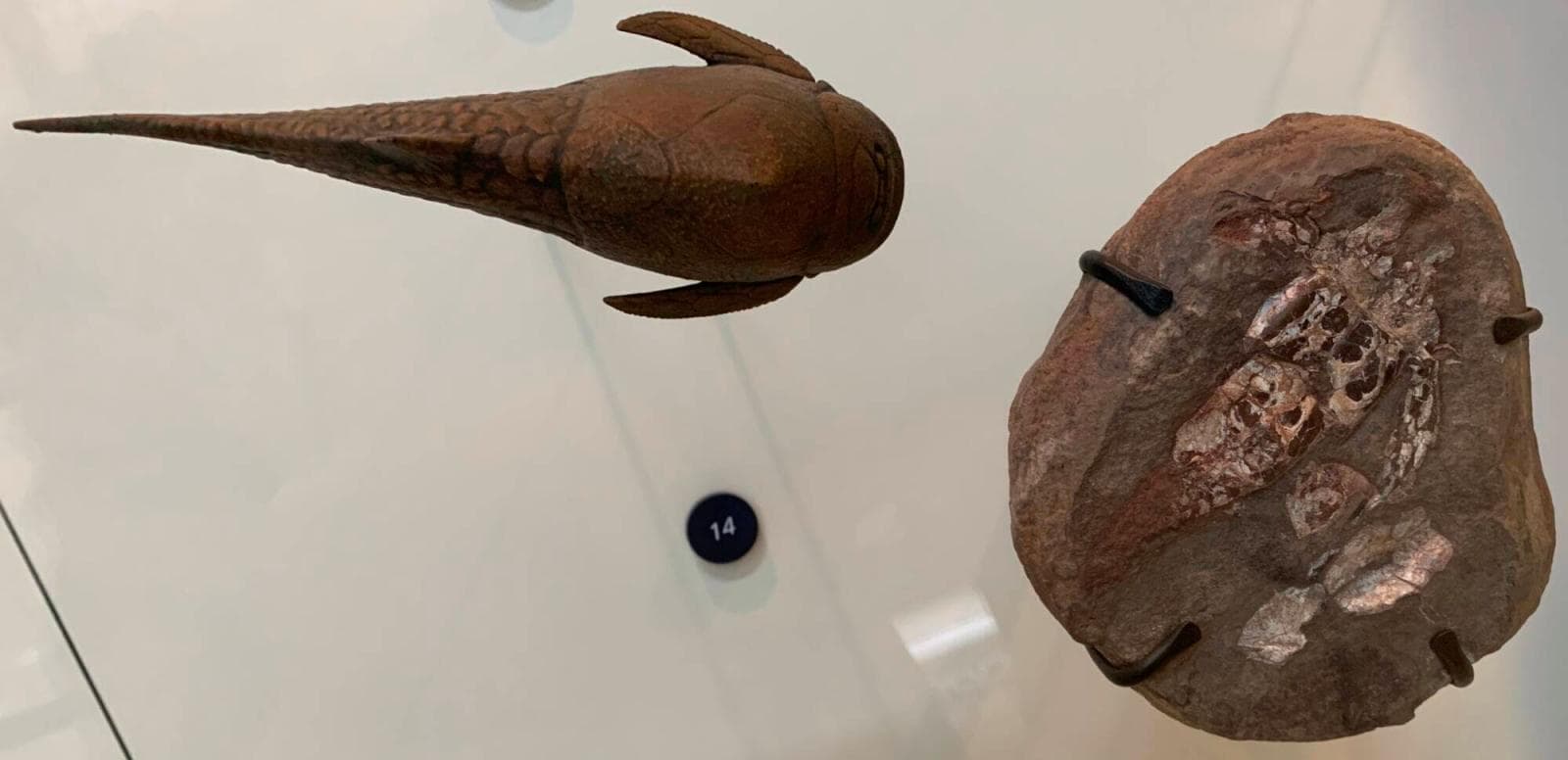
- Extinct marine species span over 400 million years, from Devonian “headshield” fishes to Cretaceous giant filter‑feeders.
- Both natural catastrophes (e.g., the Cretaceous‑Paleogene event) and human activities have accelerated recent marine extinctions.
- Fossil evidence, coupled with modern paleo‑environmental data, provides strong confidence in the timing and causes of most extinctions.
- Studying past losses reveals patterns—such as the vulnerability of large, slow‑reproducing taxa—that apply to today’s threatened marine life.
- Effective solutions combine habitat protection, sustainable fisheries, and climate mitigation, but trade‑offs and uncertainties remain.
What Is A List of Extinct Ocean Species You May Not Know About?
The phrase refers to a curated inventory of marine organisms that have been scientifically confirmed as extinct yet remain unfamiliar to most people. The list includes vertebrates (e.g., ancient fishes), invertebrates (e.g., certain mollusks), and even microbial structures such as stromatolites. It differs from “endangered” or “critically endangered” species because extinction implies zero surviving individuals, whereas the former categories still have living populations.
How Does It Work?
Extinction in the ocean follows a chain of ecological and geological processes. The sequence can be outlined as follows:
- Environmental Change: Shifts in temperature, sea level, oxygen concentration, or acidity alter habitat suitability.
- Biological Stress: Species experience reduced reproductive success, increased disease, or loss of food sources.
- Population Decline: Small, fragmented populations become vulnerable to stochastic events.
- Extinction Threshold: When the last viable individual dies, the species is declared extinct.
Human influences can accelerate steps 1–3, particularly through overexploitation, coastal development, and ocean acidification.
What Does the Evidence Show?
Multiple lines of evidence converge on a robust picture of marine extinctions:
- Fossil Record: Well‑preserved specimens of Devonian placoderms such as Pterichthyodes oblongus and Jurassic marine reptiles like Elasmosaurus document ancient diversity and subsequent loss (IUCN, 2022).
- Stratigraphic Correlation: The abrupt disappearance of taxa such as the Cretaceous predatory fish Ichthyodectes aligns with the ~66 million‑year‑old impact event documented in the iridium layer (NASA, 2021).
- Historical Accounts: 19th‑century whaling logs record the final sightings of the great “blue whale” subspecies Balaenoptera musculus brevicauda, now extinct.
- Genetic Analyses: Ancient DNA from subfossil remains of the extinct Caribbean staghorn coral (Acropora palmata) confirms a loss of genetic diversity preceding modern reef decline (NOAA, 2020).
These sources collectively provide strong (multiple‑independent) confidence that the listed species are indeed extinct.
Main Causes or Drivers
Natural Drivers
Mass extinction events, volcanic eruptions, and long‑term climate oscillations have periodically reshaped marine life. The end‑Permian extinction (~252 Ma) eliminated up to 96 % of marine species, as shown by the fossil record (International Union for Conservation of Nature, 2023).
Human Drivers
Since the Industrial Revolution, anthropogenic pressures have become dominant:
- Overfishing: Unsustainable harvests have driven large pelagic fishes such as the Atlantic cod (Gadus morhua) to regional extinction, a pattern mirrored in prehistoric analogues.
- Habitat Destruction: Coastal development and bottom‑trawling damage reef habitats essential for species like the extinct Caribbean reef shark (Carcharhinus brachyurus).
- Pollution: Plastic debris and chemical contaminants increase mortality in filter‑feeders, contributing to the decline of organisms similar to the extinct filter‑feeder Leedsichthys.
- Ocean Acidification: Rising CO₂ lowers pH, impairing calcifying organisms; this process threatens modern analogues of ancient shelled mollusks such as Juresania.
Environmental and Human Impacts
Environmental Impacts
Extinctions reshape food webs, reduce ecosystem resilience, and alter biogeochemical cycles. The loss of large filter‑feeders like Leedsichthys likely reduced plankton turnover, influencing carbon sequestration in ancient oceans (IPCC, 2021).
Human Health and Social Impacts
While extinct species do not directly affect current human health, their loss signals ecosystem degradation that can increase the risk of harmful algal blooms, fisheries collapse, and loss of cultural heritage tied to marine biodiversity.
Regional Differences
Extinction patterns vary by region:
- Temperate North Atlantic: Overfishing led to the regional disappearance of cod and associated demersal species.
- Coral‑rich Tropics: Climate‑driven bleaching has accelerated the loss of reef‑building organisms, echoing the ancient decline of stromatolite‑forming microbes in shallow tropical seas.
- Polar Waters: Ice‑age cycles caused periodic local extinctions, but modern warming threatens species that survived past glaciations.
What Scientists Know With High Confidence
What Scientists Know With High Confidence
- Mass‑extinction events are strongly linked to rapid environmental perturbations such as asteroid impacts and massive volcanism.
- Human exploitation has caused measurable declines and regional extinctions of large, slow‑reproducing marine vertebrates.
- Fossil and stratigraphic evidence reliably date the disappearance of iconic species like Ichthyodectes and Leedsichthys.
- Ocean acidification reduces calcification rates in modern analogues of extinct shelled organisms.
What Remains Uncertain
What Remains Uncertain
Key gaps include precise population dynamics of many extinct taxa, the relative contribution of gradual climate change versus abrupt events for specific species, and how ancient ecosystem functions translate to modern services. Improved paleogenomic techniques and high‑resolution sediment cores could reduce these uncertainties.
Common Misconceptions
Common Misconceptions
Misconception: All extinct marine species disappeared because of humans.
Reality: Many species vanished long before humans existed, driven by natural cataclysms documented in the geological record.
Misconception: If a species is extinct, its ecological role is permanently lost.
Reality: Some functions, such as filter‑feeding, can be partially filled by surviving relatives, though the loss of unique traits may not be fully compensated.
Misconception: Extinct species have no relevance to current conservation.
Reality: Understanding past extinctions helps identify vulnerable traits and informs proactive management of living species at risk.
Solutions and Limitations
Addressing marine extinction requires a suite of strategies, each with trade‑offs:
- Marine Protected Areas (MPAs): Provide refuges but may displace fishing effort elsewhere.
- Sustainable Fisheries Management: Quotas and gear restrictions reduce overharvest, yet enforcement can be costly.
- Climate Mitigation: Reducing CO₂ limits acidification, but benefits accrue over decades.
- Habitat Restoration: Coral and seagrass planting rebuild structure, yet success depends on water‑quality improvements.
What Individuals, Communities, and Governments Can Do
What Individuals Can Do
- Choose sustainably certified seafood (e.g., MSC label) to reduce pressure on vulnerable stocks.
- Support policies that fund marine research and protected‑area expansion.
- Reduce personal carbon footprints to help limit ocean warming and acidification.
What Communities and Organizations Can Do
- Implement local shoreline clean‑ups to decrease plastic pollution that harms filter‑feeders.
- Partner with scientists for citizen‑science monitoring of key indicator species.
- Promote eco‑tourism that values living marine biodiversity over extractive uses.
What Governments Can Do
- Enact and enforce science‑based catch limits aligned with the precautionary principle.
- Invest in high‑resolution ocean observing systems to detect early signs of population collapse.
- Integrate marine biodiversity considerations into climate‑adaptation planning.
Synthesis of Findings
Extinct ocean species—ranging from Devonian armored fishes to Cretaceous megafish—illustrate how both abrupt natural events and escalating human pressures have reshaped marine life. Strong evidence confirms the timing and causes of many losses, while uncertainties persist around precise ecological consequences and the role of emerging stressors. Protecting today’s marine biodiversity hinges on combining habitat protection, sustainable resource use, and global climate action, recognizing that no single measure can fully offset the complex drivers of extinction.
Frequently Asked Questions
What defines an extinct ocean species?
An extinct ocean species is a marine organism that no longer exists anywhere on Earth, confirmed through fossil evidence, historic documentation, or rigorous scientific assessment.
Which natural events have caused major marine extinctions?
Mass‑extinction events such as the end‑Permian volcanic eruptions and the Cretaceous‑Paleogene asteroid impact have triggered rapid, worldwide losses of marine life documented in the geological record.
How do human activities accelerate marine extinctions today?
Overfishing, habitat destruction, pollution, and ocean acidification reduce population sizes, disrupt reproductive cycles, and increase mortality, pushing vulnerable species toward extinction.
What can individuals do to help prevent further marine extinctions?
Individuals can choose sustainably certified seafood, support marine‑protected‑area policies, and lower their carbon footprints to reduce ocean warming and acidification.
Why are extinct marine species important for modern conservation?
Studying extinct species reveals patterns of vulnerability, informs risk assessments for living relatives, and helps design strategies that avoid repeating past losses.






Leave a Comment