
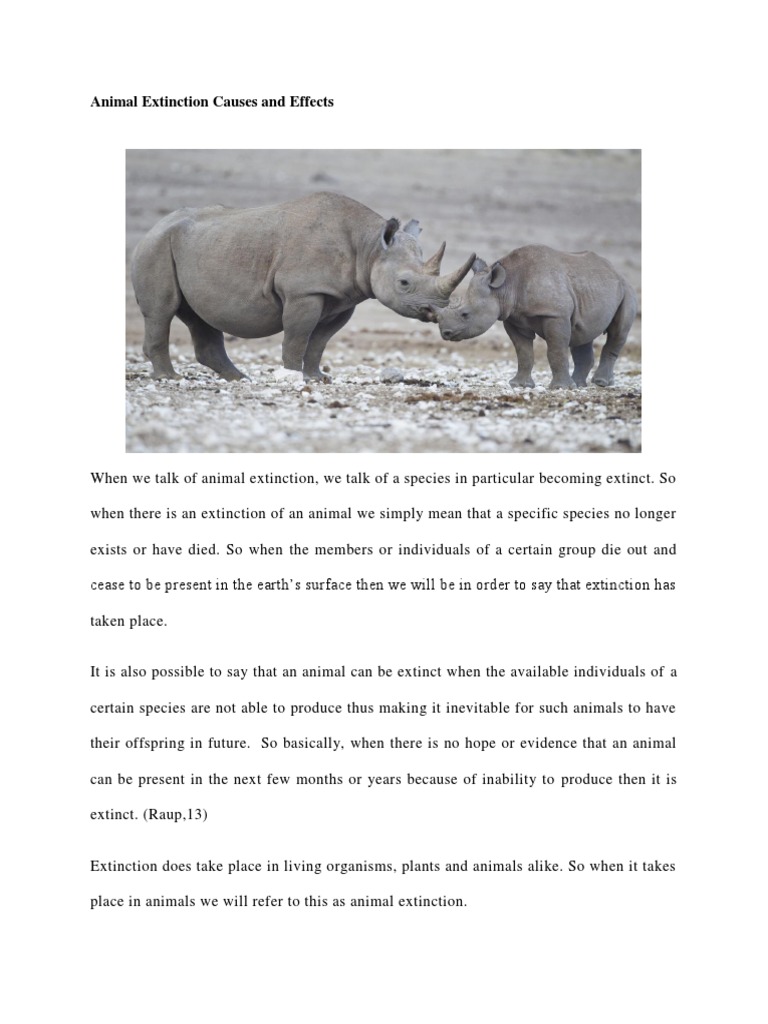
Extinction can signal both loss and opportunity, and scientists assess when it harms ecosystems, when it drives new evolution, and how human actions shape these outcomes.
Quick Answer
Extinction is a natural part of Earth’s history, but in the modern era human‑driven losses often degrade ecosystem services and cultural values. When a species disappears, the immediate effect is usually a reduction in biodiversity and potential cascade effects; however, the vacant niche can sometimes allow other species to diversify, especially after large‑scale events. The scientific consensus is that most contemporary extinctions are detrimental because they are rapid, driven by anthropogenic pressures, and outpace natural recovery, though isolated cases of positive ecological turnover exist. Uncertainty remains about long‑term evolutionary outcomes for many lineages.
Key Takeaways
- Extinction is a natural process, but human‑induced extinctions often undermine ecosystem stability.
- Loss of keystone or apex species can trigger cascading disruptions.
- Historical mass‑extinction events opened ecological space for new groups, exemplified by mammals after the dinosaur demise.
- Invasive‑species eradication can be a beneficial extinction that restores native biodiversity.
- Conservation strategies must weigh immediate ecological costs against potential long‑term evolutionary opportunities.
What Is Is the Extinction of a Species Always a Bad Thing??
Extinction refers to the complete disappearance of a species from the planet, meaning no living individuals remain. It differs from local extirpation, where a species disappears from a specific area but persists elsewhere. The concept is central to biodiversity science because species are the fundamental units that generate ecosystem functions, genetic resources, and cultural values. Understanding whether extinction is always negative requires examining ecological roles, evolutionary history, and the drivers behind each loss.
How Does It Work?
Natural Extinction Processes
Over geological time, species go extinct through mechanisms such as climate shifts, volcanic eruptions, asteroid impacts, and competition. Fossil records show background extinction rates of roughly one to five species per million per year, a pace that ecosystems have historically accommodated.
Anthropogenic Acceleration
Human activities add new pressures: habitat conversion, overexploitation, pollution, climate change, and the spread of invasive species. The Intergovernmental Science‑Policy Platform on Biodiversity and Ecosystem Services (IPBES) estimates that around 1 million species face elevated extinction risk, a rate hundreds of times faster than the background level.
Ecological Cascades
When a species that performs a keystone function disappears, its prey or competitors can proliferate, altering nutrient cycles, vegetation structure, and even fire regimes. These feedback loops can amplify the initial loss across trophic levels.
Evolutionary Vacancies
Following a loss, ecological niches become available. Surviving lineages may undergo adaptive radiation, evolving new traits to exploit the vacant space. This process was documented after the Cretaceous‑Paleogene extinction, when mammals diversified into many orders that today dominate terrestrial ecosystems.
What Does the Evidence Show?
Long‑term monitoring programmes, such as the Global Biodiversity Information Facility, reveal that recent extinctions are disproportionately concentrated among large mammals, amphibians, and island endemics. Field experiments removing apex predators (e.g., wolves in Yellowstone) demonstrate rapid ecosystem responses, confirming the importance of top‑down control.
Conversely, paleo‑ecological studies of past mass extinctions indicate that ecosystem recovery can take millions of years, but the eventual emergence of new dominant groups is a consistent pattern. Systematic reviews of invasive‑species eradication (e.g., the removal of rats on New Zealand islands) show measurable recovery of native bird populations, illustrating a scenario where extinction of a harmful species yields net ecological benefit.
Main Causes or Drivers
Direct Human Impacts
- Habitat loss through agriculture, urbanization, and mining.
- Overharvesting of wildlife for food, medicine, or trade.
- Pollution, including plastic debris and chemical contaminants.
Climate Change
Rising temperatures shift species’ suitable ranges faster than they can migrate, especially for organisms with limited dispersal ability.
Invasive Species
Non‑native organisms can outcompete, predate, or transmit diseases to native species, accelerating local and global extinctions.
Natural Background Processes
Even without humans, species turnover occurs through speciation, competition, and environmental variability.
Environmental and Human Impacts
Environmental Impacts
- Reduced pollination services affect plant reproduction and food crops.
- Loss of carbon‑sequestering species (e.g., certain forest trees) can weaken climate regulation.
- Diminished genetic diversity lowers ecosystem resilience to disturbances.
Human Health and Social Impacts
Many medicines derive from biodiversity; extinction of medicinal plants or microbes can limit future drug discovery. Cultural identities tied to specific species—such as totem animals or sacred plants—suffer when those species disappear.
Economic and Infrastructure Impacts
Tourism economies dependent on wildlife (e.g., safaris, ecotourism) can decline with species loss. Fisheries may collapse if keystone prey species vanish, threatening food security for coastal communities.
Regional Differences
Island ecosystems, such as Madagascar or the Hawaiian archipelago, experience higher extinction rates because of endemic species with small ranges. Tropical rainforests harbor the greatest absolute number of species, so losses there have outsized global biodiversity implications. In contrast, temperate regions often have more generalist species, making local extinctions less likely to trigger immediate cascade effects, though they still reduce overall diversity.
What Scientists Know With High Confidence
- Human activities have accelerated extinction rates far beyond natural background levels.
- Keystone and apex species play critical roles in maintaining ecosystem structure.
- Invasive species are a leading driver of recent extinctions on islands.
- Adaptive radiation commonly follows large‑scale extinctions, but the recovery time spans ecological and geological timescales.
What Remains Uncertain
Predicting which surviving species will successfully radiate into newly opened niches remains challenging due to complex genetic, ecological, and stochastic factors. The long‑term net effect of selective human‑driven extinctions (e.g., targeted removal of invasive pests) on global biodiversity is still under active research, as is the threshold at which ecosystem services become irreversibly compromised.
Common Misconceptions
Misconception: All extinctions are bad.
Reality: While most recent extinctions reduce biodiversity and ecosystem services, some removals—especially of invasive or highly damaging species—can enable native recovery.
Misconception: Extinction is always a slow, natural process.
Reality: Human‑induced extinctions can occur within decades, outpacing the ability of ecosystems to adapt.
Misconception: New species will quickly replace those that disappear.
Reality: Evolutionary radiation takes thousands to millions of years; short‑term gaps in ecosystem function are common.
Solutions and Limitations
Effective responses combine prevention, mitigation, and restoration:
- Habitat protection: Establishing protected areas preserves critical niches, but enforcement varies and may conflict with local livelihoods.
- Invasive‑species management: Eradication programs can restore native communities, yet they are costly, technically demanding, and may unintentionally harm non‑target species.
- Climate mitigation: Reducing greenhouse‑gas emissions slows range shifts, but global coordination is required and outcomes are long‑term.
- Ex‑situ conservation: Captive breeding and seed banks safeguard genetic material, yet reintroduction success depends on habitat quality.
What Individuals, Communities, and Governments Can Do
What Individuals Can Do
- Support organizations that fund invasive‑species eradication and habitat restoration.
- Choose sustainably sourced products to reduce pressure on wildlife (e.g., certified timber, seafood).
- Participate in citizen‑science monitoring programs that track local biodiversity.
What Communities and Organizations Can Do
- Develop local land‑use plans that integrate biodiversity corridors.
- Implement community‑led invasive‑species control projects, leveraging local knowledge.
- Promote environmental education that highlights the role of each species.
What Governments Can Do
- Enforce and expand protected area networks in biodiversity hotspots.
- Invest in early‑detection systems for invasive species and rapid‑response frameworks.
- Integrate biodiversity considerations into climate‑adaptation policies and infrastructure planning.
Synthesis
Extinction is not uniformly catastrophic nor universally beneficial. The prevailing scientific view holds that contemporary, human‑driven losses generally erode ecosystem health, cultural values, and future evolutionary potential. Yet, the removal of particularly harmful invasive species can create space for native recovery. High‑confidence evidence underscores the urgency of preventing unnecessary extinctions, while research continues to clarify the long‑term evolutionary outcomes of both loss and selective removal. Balanced strategies that protect habitats, control invasives, and mitigate climate change offer the most robust path forward, acknowledging both the risks and the occasional ecological openings that extinction can generate.
Frequently Asked Questions
What defines a species extinction versus local extirpation?
Extinction means a species no longer exists anywhere on Earth, while local extirpation refers to its disappearance from a specific region but survival elsewhere.
How do invasive species influence extinction rates?
Invasive species often outcompete, prey on, or spread disease to native organisms, accelerating local and global extinctions, especially on islands.
Can the loss of a species ever benefit an ecosystem?
Yes, when a harmful invasive species is eradicated, native species can reclaim habitats, leading to overall biodiversity gains.
What are the main human activities that drive modern extinctions?
Habitat destruction, overharvesting, pollution, climate change, and the introduction of invasive species are the primary human drivers of recent extinctions.
What actions can governments take to reduce extinction risk?
Governments can expand protected areas, fund invasive‑species rapid‑response programs, and embed biodiversity safeguards into climate‑adaptation and land‑use policies.









Leave a Comment