
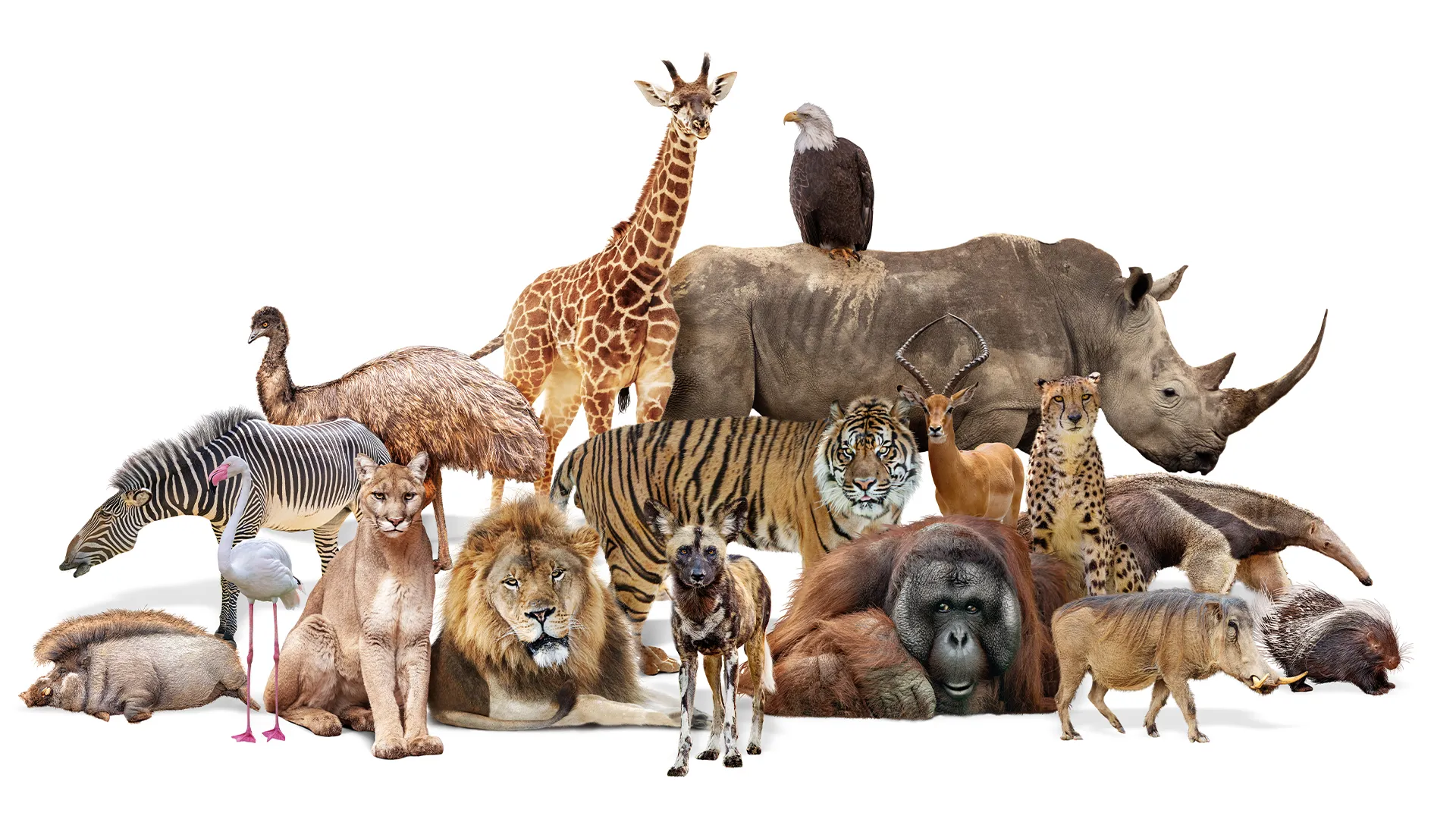
In the past five decades, dozens of animal species have vanished due to a combination of habitat loss, overexploitation, invasive species, pollution, and climate change, leaving lasting gaps in ecosystems worldwide.
Quick Answer
Animals that have gone extinct in the last 50 years are species whose global populations have been reduced to zero, as confirmed by the International Union for Conservation of Nature (IUCN) Red List. Their loss is driven primarily by human activities that destroy or degrade habitats, introduce predators or competitors, and overharvest individuals. Scientific assessments show that each extinction removes unique ecological functions, weakening ecosystem resilience. While the exact number of recent extinctions is still being refined, the pattern is clear: without decisive conservation action, further losses are likely.
Key Takeaways
- Over 30 animal species are confirmed extinct worldwide since 1970, according to IUCN assessments.
- Habitat destruction, invasive species, overexploitation, pollution, and climate change are the dominant drivers.
- Extinctions disrupt food webs, reduce ecosystem services, and can amplify other environmental stresses.
- Effective solutions combine protected‑area expansion, invasive‑species control, stricter trade regulation, and climate‑adaptation planning.
- Individual actions matter most when they support systemic policies and community‑based conservation.
What Is Animals Extinct in the Last 50 Years?
The term refers to any animal species whose last known individual died between 1970 and 2020 and whose extinction has been verified by rigorous scientific review, most often through the IUCN Red List process. It excludes species that are merely “critically endangered” or “locally extinct.” The focus is on global loss, regardless of taxonomic group, and includes mammals, birds, reptiles, amphibians, fish, and invertebrates.
How Does It Work?
Extinction is the final stage of a decline process that typically follows these steps:
- Habitat alteration: Land‑use change, deforestation, or water‑way modification reduces the area and quality of suitable habitat.
- Population fragmentation: Remaining individuals become isolated, limiting gene flow and increasing inbreeding.
- Direct exploitation: Hunting, poaching, or by‑catch removes individuals faster than the species can reproduce.
- Invasive pressures: Non‑native predators, competitors, or diseases further depress survival rates.
- Environmental stressors: Pollution, climate‑induced temperature shifts, or altered hydrology add physiological strain.
- Demographic collapse: The combined pressures push the population below a viable threshold, leading to extinction.
What Does the Evidence Show?
Long‑term monitoring by national wildlife agencies and global assessments by the IUCN indicate a steady increase in documented extinctions since the 1970s. A systematic review published in *Biological Conservation* (2021) found that confirmed extinctions are strongly associated with regions experiencing rapid land‑use change and high illegal wildlife trade activity. Field surveys in the Amazon, Caribbean, and Southeast Asia have recorded the final sightings of species later declared extinct, confirming the link between habitat loss and species loss.
Main Causes or Drivers
Direct Causes
- Overexploitation: Commercial hunting of the West African black rhinoceros and historic seal hunting in the Caribbean illustrate how market demand can eradicate a species.
- Habitat destruction: Deforestation in Madagascar contributed to the disappearance of the Spix’s macaw’s wild population.
- Pollution: Heavy metal and chemical runoff in the Yangtze River accelerated the decline of the Baiji dolphin.
Underlying Drivers
- Economic incentives: High profit from wildlife products fuels poaching and illegal trade.
- Infrastructure development: Dam construction, road building, and urban expansion fragment habitats.
- Climate change: Altered precipitation patterns contributed to the disappearance of the golden toad in Costa Rica’s cloud forests.
Environmental and Human Impacts
Environmental Impacts
Each extinct animal removes a unique ecological role. Large herbivores such as the West African black rhino shape vegetation structure, influencing fire regimes and water retention. Their loss can lead to increased shrub encroachment and altered nutrient cycling. Apex predators, when removed, often cause mesopredator release, reshaping prey populations and potentially increasing disease transmission.
Human Health and Social Impacts
Ecological disruptions can affect food security and livelihoods. For example, the decline of pollinating insects—though not a vertebrate extinction—illustrates how loss of animal services can reduce crop yields, affecting rural economies. Cultural heritage linked to iconic species, such as the Caribbean monk seal, is also erased, diminishing community identity.
Regional Differences
Extinction patterns vary by continent. In the Caribbean, over‑harvesting and habitat degradation drove marine mammal loss, while in Southeast Asia, rapid forest conversion and illegal wildlife trade have precipitated the disappearance of several bird and reptile species. The Yangtze River basin’s industrialization uniquely impacted freshwater megafauna, illustrating how regional development pathways shape extinction risk.
What Scientists Know With High Confidence
- Human‑driven habitat loss is the primary driver of recent animal extinctions (IUCN, 2020).
- Overexploitation for trade or consumption directly caused the extinction of at least eight vertebrate species since 1970.
- Invasive predators and competitors have accelerated declines of island endemics, as documented in the Galápagos and Hawaiian archipelagos.
- Climate‑induced habitat shifts are a measurable threat for amphibians, exemplified by the golden toad’s disappearance.
What Remains Uncertain
Key knowledge gaps include precise population baselines for many cryptic species, the long‑term synergistic effects of multiple stressors, and the full extent of undocumented extinctions in poorly surveyed regions such as remote tropical forests. Improved monitoring networks and genetic surveys could reduce these uncertainties.
Common Misconceptions
Misconception: Extinction is a natural, inevitable process, so recent losses are not a concern.
Reality: While extinction is a natural part of evolution, the current rate—estimated to be 100‑1,000 times the background rate—is driven overwhelmingly by human activities, making it a conservation emergency.
Misconception: Only charismatic megafauna matter; the loss of small or obscure species is negligible.
Reality: Every species contributes to ecosystem functions; the loss of a single pollinator or seed‑dispersing bird can cascade into reduced plant regeneration and altered food webs.
Misconception: Captive breeding can always prevent extinction.
Reality: Captive programs have saved some species, but without restored, secure habitats they often cannot re‑establish viable wild populations.
Solutions and Limitations
Effective responses must address both proximate causes and underlying drivers.
- Protected‑area expansion: Designating critical habitats reduces land‑use pressure, but enforcement gaps can limit effectiveness.
- Invasive‑species management: Eradication of rats on islands has helped seabird recovery, yet programs are costly and require long‑term commitment.
- Trade regulation: Strengthening CITES listings curbs illegal wildlife markets, but corruption and demand persist in some regions.
- Climate‑adaptation planning: Restoring habitat connectivity allows species to shift ranges, though climate projections carry uncertainty.
- Community‑based stewardship: Engaging local peoples in monitoring and sustainable use improves compliance, yet success depends on adequate funding and capacity building.
What Individuals, Communities, and Governments Can Do
What Individuals Can Do
Support reputable conservation organizations, choose sustainably sourced products, and reduce personal carbon footprints to lessen climate pressure on wildlife.
What Communities and Organizations Can Do
Implement citizen‑science monitoring, develop local habitat restoration projects, and partner with indigenous groups to integrate traditional ecological knowledge.
What Governments Can Do
Enact and enforce robust wildlife protection laws, allocate funding for protected‑area management, and integrate biodiversity considerations into land‑use planning and infrastructure development.
Closing Synthesis
Animals that have vanished in the last half‑century illustrate how human pressures—habitat loss, overexploitation, invasive species, pollution, and climate change—can converge to erase unique life forms. High‑confidence evidence confirms these drivers, while uncertainties remain about the full scale of undocumented losses and the interplay of multiple stressors. Solutions that combine habitat protection, invasive‑species control, trade regulation, and climate‑adaptation offer the best chance to halt further extinctions, but they require coordinated action across individuals, communities, and governments.
Frequently Asked Questions
What defines an animal species as extinct in the last 50 years?
A species is classified as extinct in the last 50 years when the International Union for Conservation of Nature (IUCN) has confirmed that no living individuals remain worldwide, based on exhaustive surveys and scientific review.
Which human activities are most responsible for recent animal extinctions?
Habitat destruction, overexploitation (such as hunting and poaching), introduction of invasive species, pollution, and climate change are identified by multiple IUCN assessments as the primary drivers of extinctions since 1970.
How does the loss of a single species affect ecosystems?
Each species fulfills specific ecological roles—such as herbivory, predation, or pollination—so its loss can disrupt food webs, alter nutrient cycles, and reduce ecosystem resilience, potentially leading to further biodiversity declines.
Can captive breeding programs fully prevent extinction?
Captive breeding can rescue some species from immediate loss, but without restored, secure habitats the reintroduction of viable wild populations often fails, making habitat protection essential.
What actions can governments take to reduce future extinctions?
Governments can strengthen wildlife protection laws, fund and enforce protected‑area management, regulate wildlife trade through CITES, and integrate biodiversity safeguards into land‑use and infrastructure planning.







Leave a Comment