
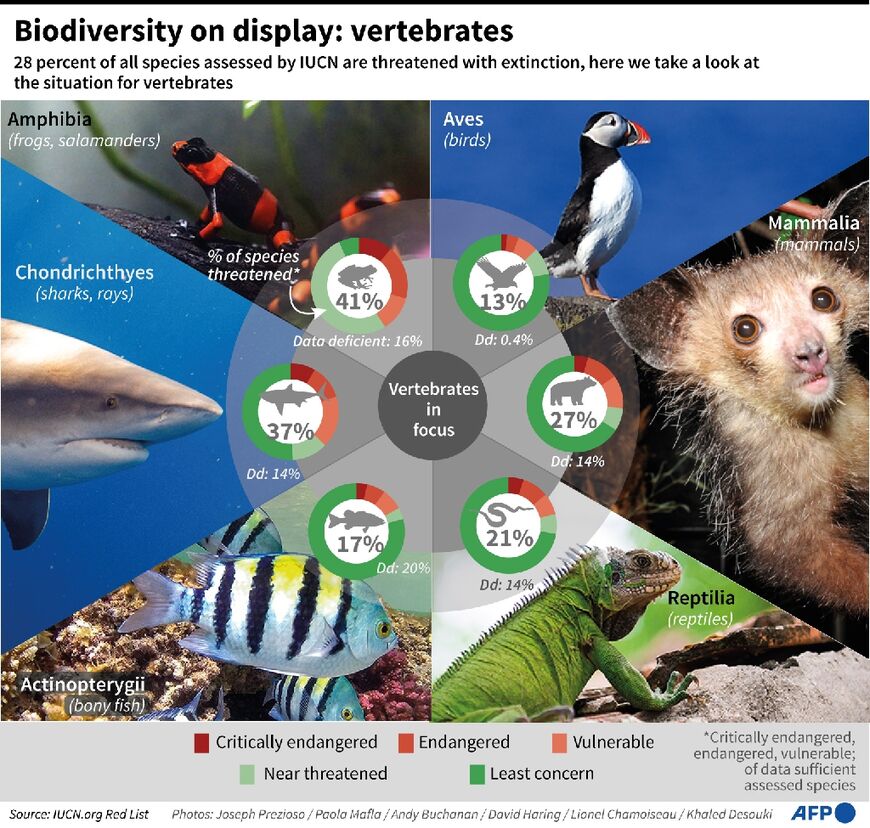
Understanding how many species are extinct in the wild today reveals the scale of biodiversity loss, the drivers behind it, and the actions needed to prevent further collapse of ecosystems.
Quick Answer
According to the International Union for Conservation of Nature (IUCN) Red List, as of the 2022 assessment there are 46 species worldwide classified as Extinct in the Wild, meaning they survive only in captivity or cultivation. These extinctions result from a combination of habitat destruction, invasive species, climate change, and overexploitation. The loss of each species weakens ecosystem functions and reduces resilience, while the exact future trajectory remains uncertain because data gaps persist for many taxa.
Key Takeaways
- 46 species are listed as Extinct in the Wild by the IUCN (2022), representing a small but critical subset of global biodiversity.
- Primary drivers include habitat loss, invasive species, climate change, and unsustainable exploitation.
- Extinctions in the wild disrupt ecosystem services such as pollination, water regulation, and cultural values.
- Conservation breeding, habitat restoration, and stricter trade regulation can prevent some re‑losses, but success depends on addressing root causes.
- Data deficiencies for many invertebrates and plants mean the true number of wild extinctions may be higher.
What Is How Many Species Are Extinct in the Wild Today?
The term “Extinct in the Wild” (EW) is an IUCN Red List category applied when a species no longer exists in its natural habitats but survives only in managed settings such as zoos, botanical gardens, or controlled breeding programs. EW differs from “Extinct” (EX), where no living individuals remain anywhere, and from “Critically Endangered” (CR), which still has wild individuals but faces an extremely high risk of extinction.
Only species with verifiable, repeated surveys that fail to locate any wild individuals are classified as EW. This strict definition helps avoid premature declarations while highlighting species that require intensive ex‑situ conservation.
How Does It Work?
Extinction in the wild follows a series of ecological and socio‑economic steps:
- Population Decline: Habitat loss, hunting, or disease reduces wild numbers.
- Fragmentation: Remaining individuals become isolated, limiting breeding and increasing inbreeding depression.
- Allee Effects: Small populations may fail to find mates or maintain social structures, accelerating decline.
- Extirpation: The last wild individuals disappear.
- Ex‑situ Capture: Surviving individuals are moved to captivity or cultivation to prevent total loss.
- EW Classification: After exhaustive surveys confirm no wild individuals, the species is listed as Extinct in the Wild.
Re‑introduction is possible only when suitable habitat is restored and threats are mitigated, a process that can take decades.
What Does the Evidence Show?
Systematic assessments by the IUCN Red List constitute the most authoritative global inventory of extinction risk. The 2022 Red List update recorded 46 EW species, spanning mammals (e.g., the Black‑footed Ferret), birds (e.g., the Spix’s Macaw), amphibians, fish, and plants. Peer‑reviewed syntheses, such as a 2020 review in *Biological Conservation*, confirm that EW species are disproportionately represented among taxa with narrow ranges and specialized habitat requirements.
Long‑term monitoring programs, like the U.S. Fish & Wildlife Service’s Species Status Assessments, show that successful captive breeding can increase population numbers, yet re‑introduction success remains low (<30% of attempts achieve self‑sustaining wild populations) due to habitat gaps and lingering threats.
Main Causes or Drivers
Habitat Destruction
Deforestation for agriculture, urban expansion, and infrastructure removes the physical space required for species’ life cycles. The Food and Agriculture Organization reports that between 1990 and 2020, forest cover declined by 12% globally, directly affecting forest‑dependent EW species.
Invasive Species
Non‑native predators, competitors, or pathogens can outcompete or prey upon native species. The introduction of the Nile perch in Lake Victoria, for example, contributed to the disappearance of several endemic cichlids now listed as EW.
Climate Change
Rising temperatures, altered precipitation patterns, and extreme weather events shift suitable habitats poleward or upward. Species with limited dispersal ability, such as alpine plants, are unable to track these shifts, increasing EW risk.
Overexploitation
Unsustainable hunting, fishing, and trade have driven many species to the brink. The illegal wildlife trade, documented by the United Nations Office on Drugs and Crime, remains a major pressure on high‑value species like the Philippine Eagle, which is critically endangered but illustrates the broader pattern.
Pollution and Disease
Contaminants such as pesticides and heavy metals degrade habitat quality, while emerging diseases (e.g., chytridiomycosis in amphibians) can cause rapid population crashes.
Environmental and Human Impacts
Environmental Impacts
Each EW species represents a unique set of functional traits. Their loss can disrupt pollination networks, seed dispersal, predator–prey dynamics, and nutrient cycling. For instance, the extinction of the Hawaiian *Akiapolaau* (a bird now EW) reduces seed dispersal for native forest trees, compromising forest regeneration.
Human Health and Social Impacts
Many ecosystem services that support human well‑being—clean water, soil fertility, cultural identity—are tied to biodiversity. The disappearance of pollinator species can reduce crop yields, while loss of culturally important species erodes traditional knowledge and heritage.
Economic Impacts
Tourism revenue linked to charismatic wildlife can decline when species vanish from their natural settings. A World Bank analysis estimates that biodiversity loss could cost the global economy up to 2% of GDP annually by 2050 if trends continue.
Regional Differences
Patterns of EW species vary by continent and ecosystem type. Island nations, such as Madagascar and the Philippines, host a high proportion of EW species because of endemicity and limited range. In contrast, temperate regions often have fewer EW listings but face rapid habitat conversion in agricultural zones.
In the Amazon basin, deforestation rates of 0.5% per year have accelerated the transition of several bird species to EW status. Meanwhile, in the Mediterranean, climate‑induced drought has pushed several endemic plants into EW.
What Scientists Know With High Confidence
What Scientists Know With High Confidence
- Habitat loss is the leading direct cause of species moving toward Extinct in the Wild status.
- The IUCN Red List provides the most reliable global count of EW species (46 as of 2022).
- Captive‑breeding programs can increase the number of individuals but rarely guarantee successful re‑introduction without habitat restoration.
- Climate change compounds existing threats, especially for species with narrow climatic niches.
What Remains Uncertain
What Remains Uncertain
Data gaps are pronounced for many invertebrate and plant groups, meaning the true number of EW species could be higher. Uncertainty also surrounds the long‑term viability of re‑introduced populations under future climate scenarios, and the effectiveness of emerging genetic rescue techniques remains under active research.
Common Misconceptions
Common Misconceptions
Misconception: “Extinct in the Wild” means the species is gone forever.
Reality: EW species still exist in captivity or cultivation and can potentially be returned to nature if habitats are restored and threats are removed.
Misconception: Only charismatic megafauna become EW.
Reality: Many less‑known taxa—such as certain orchids, freshwater fish, and amphibians—are already classified as EW, highlighting that extinction risk spans the whole tree of life.
Misconception: Captive breeding alone solves extinction.
Reality: Without addressing the underlying causes—especially habitat loss—re‑introduction efforts often fail, and captive populations may suffer from genetic bottlenecks.
Solutions and Limitations
Effective responses combine prevention, mitigation, and restoration:
- Habitat Protection: Legal safeguards (e.g., protected areas) can halt further loss, but enforcement gaps limit effectiveness in many regions.
- Invasive Species Management: Eradication programs can restore native communities, yet they are costly and may have unintended ecological side effects.
- Climate Adaptation: Assisted migration and climate‑resilient habitat corridors help species track shifting climates, but success depends on detailed ecological knowledge.
- Ex‑situ Conservation: Captive breeding provides a genetic reservoir, but long‑term maintenance requires substantial funding and expertise.
- Policy and Trade Regulation: CITES listings reduce illegal trade, yet enforcement varies across borders.
Each strategy carries trade‑offs: protected areas may displace local livelihoods; invasive species removal can harm non‑target organisms; assisted migration risks creating novel ecological interactions.
What Individuals, Communities, and Governments Can Do
What Individuals Can Do
Support reputable zoos and botanical gardens that run scientifically managed breeding programs, avoid products linked to habitat destruction (e.g., unsustainably sourced timber), and advocate for stronger wildlife trade regulations.
What Communities and Organizations Can Do
Engage in local habitat restoration, participate in citizen‑science monitoring to fill data gaps, and collaborate with indigenous groups who hold traditional ecological knowledge valuable for species recovery.
What Governments Can Do
Strengthen and adequately fund protected‑area networks, enforce anti‑poaching laws, integrate biodiversity considerations into land‑use planning, and allocate resources for ex‑situ facilities with clear re‑introduction pathways.
Looking Ahead
Understanding how many species are extinct in the wild today provides a stark benchmark of biodiversity loss. While 46 EW species is a relatively small number, each loss erodes ecosystem resilience and cultural heritage. High‑confidence evidence points to habitat destruction and climate change as the main drivers, yet substantial uncertainties remain, especially for poorly studied taxa. Continued investment in habitat protection, rigorous scientific monitoring, and integrated conservation strategies offers the best chance to prevent further species from joining the EW list and to restore those already captured back into thriving wild populations.
Frequently Asked Questions
What does "Extinct in the Wild" mean?
Extinct in the Wild is an IUCN Red List category indicating that a species no longer exists in its natural habitats but survives only in captivity or cultivated settings such as zoos or botanical gardens.
How many species are classified as Extinct in the Wild?
The IUCN Red List recorded 46 species as Extinct in the Wild in its 2022 assessment, covering mammals, birds, amphibians, fish, and plants.
What are the main causes that drive species to become Extinct in the Wild?
The primary drivers are habitat loss from deforestation and development, invasive species, climate change, overexploitation through hunting or trade, and pollution or disease that degrade populations.
Can Extinct in the Wild species be reintroduced to their natural habitats?
Reintroduction is possible but requires restored, threat‑free habitats, sufficient genetic diversity, and long‑term monitoring; success rates are currently below 30% for most attempts.
What actions can individuals take to help prevent species from becoming Extinct in the Wild?
Individuals can support reputable captive‑breeding programs, avoid products linked to habitat destruction, and advocate for stronger wildlife‑trade regulations and protected‑area policies.








Leave a Comment