
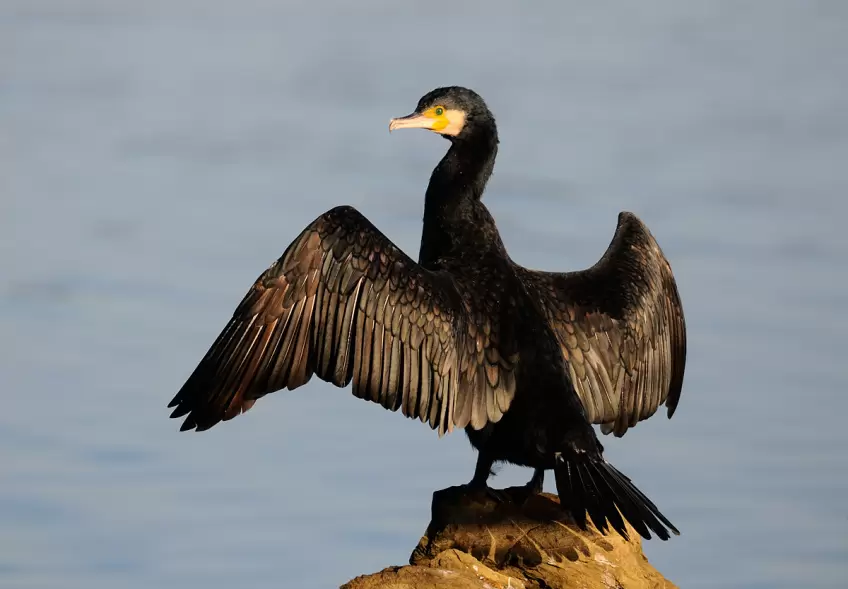
The claim that 200 animal species go extinct each day is a dramatic illustration of biodiversity loss, but the actual rate, drivers, and uncertainties are more nuanced and require careful scientific scrutiny.
Quick Answer
Scientists estimate that, on average, roughly 0.01 to 0.02 species are confirmed extinct each year, while modelled extinction rates suggest that between 100 and 200 species could be lost annually – not necessarily every single day. The estimate arises from extrapolating known extinction data, habitat loss, and threat assessments such as the IUCN Red List. High confidence exists that human activities are the primary cause, but the exact daily figure remains uncertain because many extinctions go undocumented.
Key Takeaways
- Observed extinctions are far fewer than 200 per day; the figure reflects modelled potential losses.
- Habitat destruction, climate change, invasive species, and illegal wildlife trade are the main drivers.
- Loss of species can cascade through ecosystems, affecting services that humans rely on.
- High‑confidence science confirms human impact, but data gaps create uncertainty about exact rates.
- Effective solutions require protected areas, sustainable land‑use, and global policy coordination.
What Is “200 Animal Species Really Go Extinct Every Day?”
The phrase is a shorthand for a projected average extinction rate derived from global biodiversity assessments. It does not refer to a daily count of confirmed extinctions, but to an estimated annual loss of roughly 100‑200 species, spread evenly across the calendar year. The estimate originates from the Intergovernmental Science‑Policy Platform on Biodiversity and Ecosystem Services (IPBES) Global Assessment (2019) and the WWF Living Planet Report (2022), which model species‑level risk based on habitat conversion, climate trends, and exploitation pressure.
How Does It Work?
Step‑by‑step of the estimation process
- Compile Red List assessments for vertebrates, plants, and selected invertebrates.
- Identify species classified as “Critically Endangered” or “Endangered” with declining population trends.
- Apply extinction‑risk models that translate threat intensity (e.g., % forest loss) into probability of disappearance over a set horizon (usually 10‑50 years).
- Aggregate probabilities across taxa to produce an expected number of extinctions per year.
- Divide the annual figure by 365 to obtain a “per‑day” illustration.
This method relies on assumptions about future land‑use, climate pathways, and the completeness of threat data, which introduces uncertainty.
What Does the Evidence Show?
Long‑term monitoring by the International Union for Conservation of Nature (IUCN) records about 900 confirmed vertebrate extinctions since 1500, far fewer than the daily claim suggests. However, systematic reviews (e.g., Collen et al., 2016, *Biological Conservation*) indicate that many species go extinct without formal documentation, especially among insects and fungi. Model‑based assessments (IPBES 2019) estimate that 0.01% of all species could be lost each year, which translates to roughly 100‑200 species annually when extrapolated to the estimated 8.7 million described species. The evidence therefore supports a high‑confidence link between human pressure and elevated extinction risk, but the precise daily number remains an approximation.
Main Causes or Drivers
Direct Causes
- Habitat loss and fragmentation: Agriculture, urban expansion, and logging remove or isolate critical habitats.
- Climate change: Shifts in temperature and precipitation alter species’ ecological niches.
- Overexploitation: Unsustainable hunting, fishing, and wildlife trade deplete populations.
- Invasive species: Non‑native predators, competitors, or pathogens outcompete native organisms.
Underlying Drivers
- Economic incentives for land conversion.
- Global demand for exotic pets and traditional medicines.
- Lack of effective governance and enforcement.
- Climate policy gaps that allow continued greenhouse‑gas emissions.
Environmental and Human Impacts
Environmental Impacts
Species loss reduces genetic diversity, weakens food webs, and impairs ecosystem services such as pollination, water purification, and carbon sequestration. For example, the decline of pollinating insects has been linked to reduced crop yields in temperate regions.
Human Health and Social Impacts
Loss of species can increase disease emergence (e.g., zoonoses) by disrupting predator‑prey balances. Cultural identities tied to wildlife—particularly for Indigenous peoples—are also eroded when keystone species disappear.
Economic and Infrastructure Impacts
Tourism revenues dependent on charismatic fauna (e.g., elephants, tigers) suffer when populations decline. Fisheries experience lower catches when key marine species are overfished or lost.
Regional Differences
Extinction risk is highest in tropical biodiversity hotspots such as the Amazon, Congo Basin, and Southeast Asian forests, where rapid deforestation intersects with high species richness. In contrast, temperate regions experience slower rates but still face threats from agricultural intensification and climate‑induced range shifts. Island ecosystems (e.g., Madagascar, New Zealand) show disproportionate vulnerability because many species are endemic and have small ranges.
What Scientists Know With High Confidence
- Human activities are the dominant driver of recent biodiversity loss.
- Habitat loss is the single most significant predictor of species extinction risk.
- Climate change is already causing range contractions for many taxa.
- Protected areas, when effectively managed, reduce local extinction rates.
What Remains Uncertain
Key uncertainties include the true extinction rate for poorly studied groups (e.g., insects, deep‑sea organisms), the long‑term effectiveness of newly established protected areas, and how synergistic effects of multiple stressors will play out under future climate scenarios. Improved global monitoring and taxonomic research are needed to narrow these gaps.
Common Misconceptions
Misconception: “Exactly 200 species disappear every day.”
Reality: The figure is a rounded estimate of potential annual losses, not a precise daily count. Actual documented extinctions are far lower, but many disappear unnoticed.
Misconception: “Only large mammals are at risk.”
Reality: Invertebrates, especially insects, may be experiencing the greatest absolute losses, yet receive far less attention and monitoring.
Misconception: “Extinctions are irreversible and cannot be mitigated.”
Reality: Conservation actions—such as habitat restoration, anti‑poaching efforts, and climate mitigation—have halted or reversed declines for numerous species.
Solutions and Limitations
Effective responses combine prevention, mitigation, and restoration:
- Protected area expansion: While expanding coverage is essential, without adequate funding and enforcement the benefits are limited.
- Sustainable land‑use policies: Agro‑ecological practices can reduce habitat conversion, yet may face economic resistance.
- Climate mitigation: Reducing emissions slows habitat alteration, but requires global coordination and long‑term commitment.
- Control of invasive species: Eradication programs can succeed (e.g., island rat removal) but are costly and logistically complex.
- Regulation of wildlife trade: CITES enforcement helps, but illegal networks adapt quickly, demanding continuous vigilance.
What Individuals, Communities, and Governments Can Do
What Individuals Can Do
- Support certified sustainable products (e.g., FSC timber, responsibly sourced seafood).
- Reduce personal carbon footprints to lessen climate pressure on habitats.
- Donate to or volunteer with reputable conservation organizations.
What Communities and Organizations Can Do
- Implement citizen‑science monitoring to fill data gaps for local species.
- Promote habitat corridors on private lands.
- Adopt zero‑deforestation supply‑chain policies.
What Governments Can Do
- Enforce and strengthen wildlife trade regulations (e.g., CITES listings).
- Invest in protected‑area management and restoration projects.
- Integrate biodiversity considerations into national climate‑adaptation plans.
- Provide incentives for agro‑ecological practices that conserve native habitats.
Closing Synthesis
The “200 species per day” figure serves as a stark reminder of the accelerating biodiversity crisis, but the underlying science shows a more complex picture: confirmed extinctions are lower, yet modelled risk indicates that hundreds of species could be lost each year if current trends continue. High‑confidence evidence links human‑driven habitat loss, climate change, overexploitation, and invasive species to these risks. Uncertainties remain, especially for understudied taxa, highlighting the need for better monitoring. Solutions exist—protected areas, sustainable land use, climate mitigation, and trade regulation—but each carries limitations that require adequate funding, governance, and societal support. Collective action across individual, community, and governmental levels offers the best chance to reduce the extinction tide and preserve Earth’s biological heritage for future generations.
Frequently Asked Questions
What does the claim “200 animal species go extinct every day” actually mean?
The statement is a simplified way of expressing modelled estimates that roughly 100‑200 species could be lost each year worldwide; it does not refer to a precise count of confirmed daily extinctions.
How are extinction rates estimated by scientists?
Scientists combine Red List assessments, population trends, and threat‑intensity models to calculate the probability of disappearance for each species, then sum those probabilities over a chosen time horizon to derive an annual estimate.
Which human activities drive the highest risk of species loss?
Habitat destruction from agriculture and urban expansion, climate change, overexploitation through hunting and trade, and invasive species introductions are the primary direct causes of modern extinctions.
Are there examples where conservation actions have stopped or reversed extinctions?
Yes; protected‑area management has stabilized populations of the American bison, and invasive‑species eradication on islands such as New Zealand has allowed native bird numbers to recover.
What can ordinary people do to help reduce biodiversity loss?
Individuals can choose sustainably sourced products, lower their carbon footprints, support reputable conservation groups, and participate in citizen‑science projects that track local wildlife.








Leave a Comment