
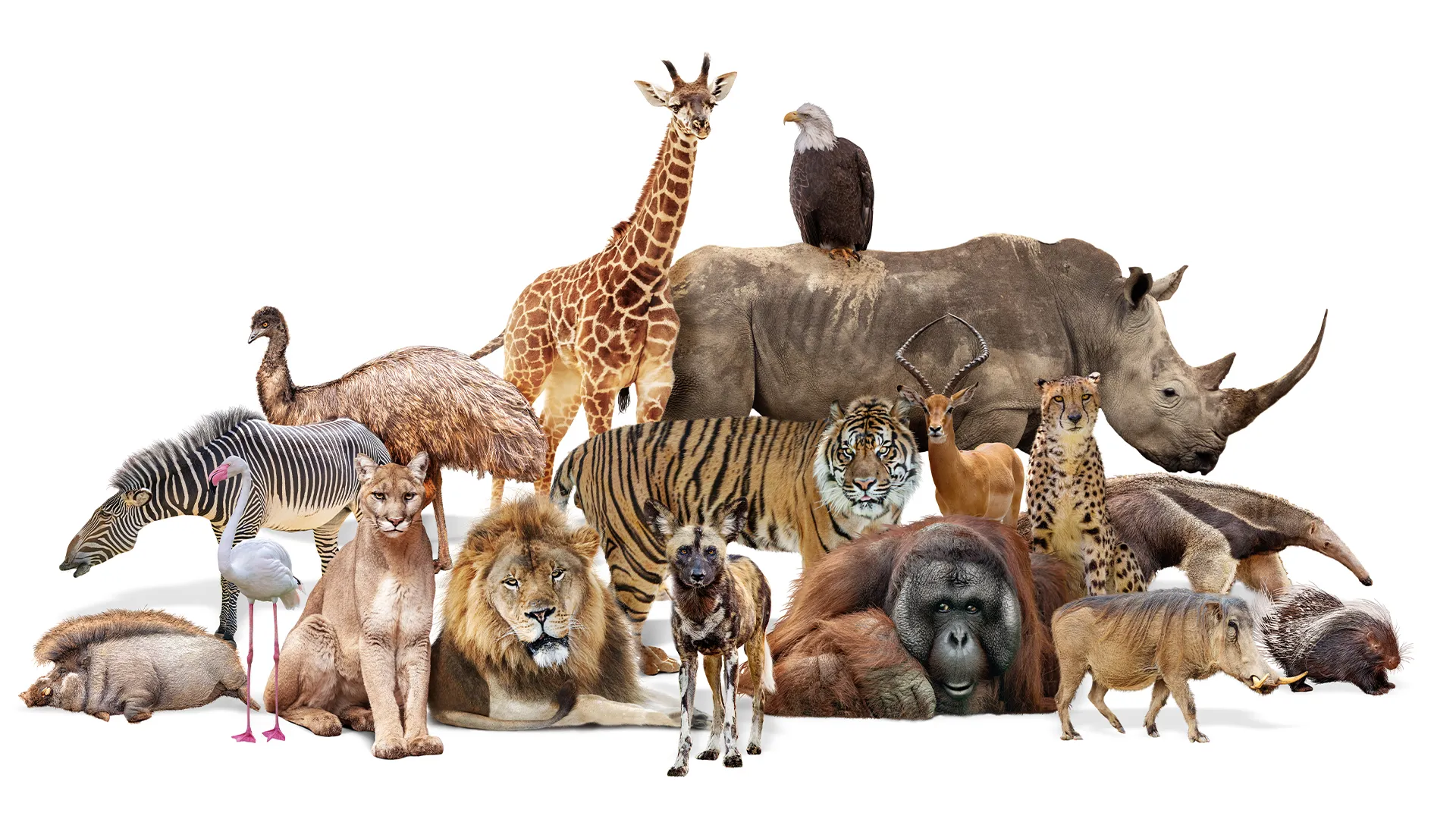
Over the past century, dozens of animal species have vanished due to a combination of habitat loss, overexploitation, pollution, and invasive species, highlighting urgent biodiversity challenges.
\n\n
Quick Answer
\n
Animals that have gone extinct in the last 100 years are species that were formally classified as extinct by the International Union for Conservation of Nature (IUCN) between 1924 and 2024. Extinction typically follows a cascade of pressures—habitat destruction, unsustainable hunting, pollution, and competition from non‑native species—culminating in the loss of viable breeding populations. The loss reduces ecosystem resilience and can diminish services such as pollination, water filtration, and cultural values. While the exact timing of each disappearance is documented, uncertainties remain about undocumented declines that may have occurred earlier.
\n
\n\n
Key Takeaways
\n
- \n
- Overexploitation and habitat conversion were the primary drivers of most 20th‑century extinctions.
- Freshwater species, such as the Yangtze River dolphin, are disproportionately affected by pollution and river modification.
- Invasive predators and competitors accelerated the decline of island endemics like the Pinta Island tortoise.
- Extinctions trigger cascading ecological effects that can alter nutrient cycles and food‑web dynamics.
- Conservation actions that protect habitats, regulate trade, and control invasive species can prevent further losses.
\n
\n
\n
\n
\n
\n
\n\n
What Is Animals That Have Gone Extinct in the Last 100 Years?
\n
The phrase refers to any animal taxon—birds, mammals, reptiles, amphibians, fish, or invertebrates—whose global population fell to zero and was officially declared extinct by a recognized authority between 1924 and 2024. It excludes species that are merely “critically endangered” or extinct in the wild. The International Union for Conservation of Nature (IUCN) maintains the definitive Red List, which records the date of the last confirmed sighting and the evidence supporting extinction status. Understanding these losses matters because each species contributes uniquely to ecosystem functions, genetic diversity, and cultural heritage.
\n\n
How Does It Work?
\n
Step‑by‑step pathway to extinction
\n
- \n
- Habitat alteration: Deforestation, wetland drainage, or dam construction removes the physical space species need to feed, breed, and shelter.
- Direct exploitation: Commercial hunting, fisheries, or illegal wildlife trade reduces adult numbers faster than they can reproduce.
- Pollution and disease: Chemical contaminants, eutrophication, or introduced pathogens impair health and reproductive success.
- Invasive species: Non‑native predators, competitors, or parasites increase mortality or outcompete native species for resources.
- Population fragmentation: Remaining individuals become isolated, leading to inbreeding depression and reduced genetic resilience.
- Allee effect and demographic collapse: When populations fall below a critical threshold, finding mates becomes rare, accelerating extinction.
\n
\n
\n
\n
\n
\n
\n\n
What Does the Evidence Show?
\n
Long‑term monitoring by government agencies and independent researchers has documented at least 60 animal extinctions worldwide since 1924 (IUCN Red List, 2023). Systematic reviews of vertebrate declines indicate that 80 % of these cases involved a combination of habitat loss and direct exploitation (World Wildlife Fund, 2021). The extinction of the Passenger Pigeon was confirmed through museum records and the last captive individual, Martha, dying in 1914. The Baiji (Yangtze River dolphin) was declared functionally extinct after exhaustive surveys in 2006 found no individuals (Chinese Academy of Sciences, 2007). Genetic analyses of museum specimens confirm that the Pinta Island tortoise lost all unique haplotypes after the death of “Lonesome George” in 2012. These lines of evidence—historical records, field surveys, and genetic data—converge on a consistent narrative of human‑driven loss.
\n\n
Main Causes or Drivers
\n
Direct causes
\n
- \n
- Unsustainable hunting and commercial trade (e.g., Passenger Pigeon, thylacine).
- Habitat conversion for agriculture, urbanization, or infrastructure (e.g., prairie‑dependent mammals, wetlands).
- Industrial pollution and river modification affecting freshwater species (e.g., Baiji).
\n
\n
\n
\n
Underlying drivers
\n
- \n
- Economic incentives that prioritize short‑term resource extraction over long‑term ecosystem health.
- Colonial and post‑colonial land‑use policies that opened previously intact habitats to settlement.
- Globalization of wildlife markets, increasing demand for exotic pets and traditional medicines.
- Inadequate biosecurity leading to invasive species introductions on islands and coastal zones.
\n
\n
\n
\n
\n\n
Environmental and Human Impacts
\n
Environmental Impacts
\n
Each extinction removes a functional component of its ecosystem. The loss of a top predator, such as the thylacine, can cause mesopredator release, altering prey populations. The disappearance of large herbivores like the passenger pigeon historically affected forest regeneration patterns, potentially influencing carbon storage. Freshwater extinctions reduce water‑quality regulation services, as dolphins and certain fish species help control plankton blooms.
\n
Human Health and Social Impacts
\n
While the direct health effects of animal loss are often indirect, ecosystem services that support food security, clean water, and cultural identity are compromised. Indigenous communities in Tasmania, for example, lost a cultural emblem with the thylacine’s extinction, affecting cultural continuity.
\n\n
Regional Differences
\n
North America’s extinctions were heavily linked to commercial hunting and large‑scale agriculture, exemplified by the passenger pigeon. In contrast, Asian freshwater extinctions (e.g., Baiji) stem from rapid industrialization, dam construction, and severe water pollution. Island regions such as the Galápagos experienced higher extinction rates due to invasive species and limited range sizes, making species like the Pinta Island tortoise especially vulnerable.
\n\n
What Scientists Know With High Confidence
\n
- \n
- Habitat loss and overexploitation are the dominant proximate causes of 20th‑century animal extinctions.
- Invasive species are a primary driver of island endemics’ decline.
- Extinction events have measurable cascading effects on ecosystem processes.
- The IUCN Red List provides a reliable, peer‑reviewed record of global extinctions.
\n
\n
\n
\n
\n
\n\n
What Remains Uncertain
\n
Uncertainty persists around the timing of undocumented declines, especially for cryptic or poorly surveyed taxa such as small amphibians and invertebrates. Data gaps in remote regions limit confidence in global extinction totals. Additionally, the relative contribution of climate change versus direct human pressures for species that disappeared after 1990 remains an active research area, as long‑term monitoring data are scarce.
\n
\n\n
Common Misconceptions
\n
Misconception: Extinction only affects “charismatic” species.
\n
Reality: While large mammals receive media attention, the majority of documented extinctions involve less‑known birds, fish, and invertebrates whose ecological roles are equally critical.
\n
Misconception: Once a species is declared extinct, it cannot be recovered.
\n
Reality: Extinction is defined as the absence of any living individuals; however, closely related species can sometimes be used in de‑extinction projects, though success remains experimental and does not replace the need for preventing further loss.
\n
Misconception: Conservation only matters for endangered species.
\n
Reality: Protecting habitats and controlling invasive species benefits both threatened and currently stable populations, creating buffers against future extinctions.
\n
\n\n
Solutions and Limitations
\n
Effective responses combine habitat protection, sustainable use regulations, invasive‑species control, and ex‑situ conservation. Protected‑area networks, when properly enforced, can reduce habitat loss, but they often lack adequate funding and may exclude local communities, leading to enforcement challenges. Trade bans (e.g., CITES listings) curb illegal hunting, yet illegal markets adapt, requiring robust monitoring and demand‑reduction campaigns. Invasive‑species eradication on islands has succeeded in restoring native bird populations, but the process is costly and can have unintended ecological side effects if non‑target species are affected.
\n\n
What Individuals, Communities, and Governments Can Do
\n
What Individuals Can Do
\n
- \n
- Support certified sustainable products that avoid habitat destruction (e.g., shade‑grown coffee, certified timber).
- Reduce demand for exotic pets by refusing to purchase wild‑caught animals.
- Participate in citizen‑science monitoring programs that help track rare species.
\n
\n
\n
\n
What Communities and Organizations Can Do
\n
- \n
- Develop and enforce local land‑use plans that preserve critical habitats.
- Implement invasive‑species prevention and rapid‑response protocols.
- Partner with NGOs to fund habitat restoration and captive‑breeding programs.
\n
\n
\n
\n
What Governments Can Do
\n
- \n
- Expand and adequately fund protected‑area networks, ensuring connectivity between habitats.
- Strengthen enforcement of wildlife trade regulations under CITES and national law.
- Invest in long‑term biodiversity monitoring to fill data gaps identified in uncertainty sections.
- Incorporate biodiversity considerations into infrastructure planning, especially dam projects and road construction.
\n
\n
\n
\n
\n\n
Closing Synthesis
\n
Animals that have gone extinct in the last 100 years illustrate how habitat loss, overexploitation, pollution, and invasive species combine to erase irreplaceable components of Earth’s biodiversity. High‑confidence evidence confirms these drivers, while uncertainties highlight the need for better monitoring, especially in understudied regions. Solutions exist—protected areas, trade regulation, invasive‑species control, and ex‑situ breeding—but each carries practical limits and requires coordinated action across scales. By addressing the root causes and supporting evidence‑based conservation, society can honor past losses and work toward a future where fewer species vanish.
Frequently Asked Questions
What defines an animal extinction in the last 100 years?
An animal extinction in the last 100 years is a species that the IUCN has officially listed as extinct between 1924 and 2024, meaning no living individuals have been recorded despite exhaustive surveys.
Which human activities contributed most to recent animal extinctions?
Habitat destruction, overhunting or unsustainable trade, pollution of water bodies, and the introduction of invasive species are the primary human activities linked to animal extinctions since the early 20th century.
How do invasive species cause extinctions on islands?
Invasive predators or competitors often have no natural checks on islands, leading them to prey on or outcompete native species that evolved without such threats, driving those native populations to collapse.
What evidence confirms the extinction of the Baiji dolphin?
Extensive field surveys of the Yangtze River conducted between 1995 and 2006 found no surviving individuals, and genetic studies of museum specimens show no recent births, leading scientists to declare the Baiji functionally extinct.
What actions can individuals take to help prevent future extinctions?
Individuals can choose sustainably sourced products, avoid buying wild‑caught pets, support reputable conservation organizations, and take part in citizen‑science projects that monitor threatened wildlife.







Leave a Comment