
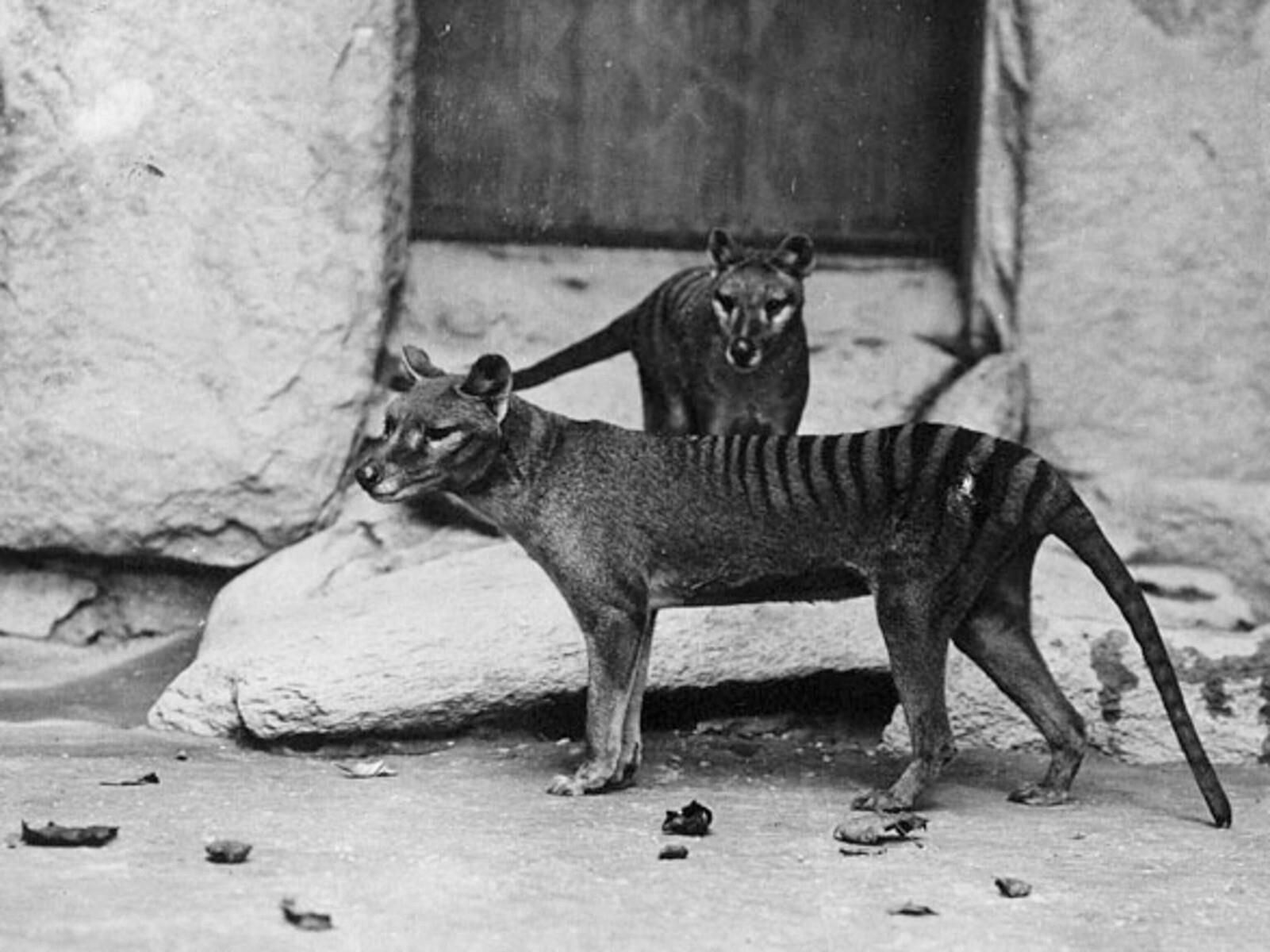
Recent decades have seen the irreversible loss of dozens of animal species worldwide, driven chiefly by habitat destruction, overexploitation, invasive species, pollution, and climate change.
Quick Answer
Animals declared extinct since the 1980s include the Caribbean monk seal, the Yangtze river dolphin (baiji), the Pinta Island tortoise, the golden toad, and several large‑scale shark species. Extinction occurs when the last viable individual dies, ending the species’ genetic lineage. The primary mechanism is human‑induced habitat loss combined with overexploitation, amplified by climate‑related stressors. While each loss erodes ecosystem function, the full cascade of impacts often remains uncertain because many species play subtle or poorly understood roles.
Key Takeaways
- Habitat destruction and overexploitation are the leading drivers of animal extinctions in the past four decades.
- Extinctions have been documented across mammals, birds, reptiles, amphibians, and aquatic species.
- Loss of a single species can trigger cascading effects, especially when the species is a keystone pollinator or apex predator.
- Protected areas, captive‑breeding programs, and invasive‑species control have averted some losses but face funding and enforcement gaps.
- Data gaps mean many extinctions, particularly among invertebrates and deep‑sea fauna, likely remain undocumented.
What Is Which Animals Have Gone Extinct in Recent Decades??
The phrase refers to animal species that the International Union for Conservation of Nature (IUCN) or other authoritative bodies have listed as Extinct (EX) during roughly the last 40 years. Extinction means no living individuals remain in the wild or in captivity. The scope includes well‑documented vertebrates and a limited number of invertebrates; it excludes locally extinct (extirpated) populations that persist elsewhere.
How Does It Work?
Biological Process of Extinction
- Population decline: Small, fragmented populations become vulnerable to random events, inbreeding depression, and Allee effects.
- Loss of reproductive capacity: Reduced mate availability and genetic diversity lower birth rates.
- Environmental stressors: Habitat loss, extreme climate events, and pollutants increase mortality.
- Extinction threshold: When the last viable individual dies, the species is classified as extinct.
Human Mechanisms that Accelerate the Process
- Deforestation and land‑use change eliminate critical habitats.
- Unsustainable hunting, fishing, and wildlife trade directly remove individuals.
- Invasive predators or competitors disrupt native populations.
- Pollutants such as heavy metals and pesticides cause physiological stress and reproductive failure.
- Climate change shifts temperature and precipitation regimes beyond species’ tolerance limits.
What Does the Evidence Show?
Long‑term monitoring programmes and IUCN Red List assessments indicate that at least 40 animal species have been confirmed extinct since 1980 (IUCN Red List, 2023). Systematic reviews consistently identify habitat loss as the strongest predictor, with over‑exploitation ranking second (Global Species Assessment, 2022). Field surveys and acoustic monitoring documented the disappearance of the baiji in the Yangtze River, while amphibian assessments link the golden toad’s loss to a combination of climate variability and chytrid fungus (Global Amphibian Assessment, 2020). These independent lines of evidence converge on a pattern of rapid, human‑driven loss across taxa.
Main Causes or Drivers
Direct Causes
- Commercial hunting and illegal wildlife trade (e.g., Caribbean monk seal).
- By‑catch and over‑fishing of large pelagic sharks.
- Destructive riverine development leading to the baiji’s functional extinction.
Underlying Drivers
- Deforestation for agriculture, especially palm‑oil expansion in Southeast Asia.
- Climate‑change‑induced habitat shifts, sea‑level rise, and increased frequency of extreme weather.
- Pollution of freshwater systems from industrial runoff and heavy metals.
Amplifying Factors
- Invasive species such as Nile perch in Lake Victoria, which outcompeted native cichlids.
- Fragmentation that isolates populations and impedes gene flow.
Environmental and Human Impacts
Environmental Impacts
Each extinction removes a unique functional role. The loss of pollinators reduces plant reproductive success; the disappearance of apex predators can cause trophic cascades that alter vegetation structure and lower overall biodiversity. Marine extinctions, such as that of the Steller’s sea cow, historically disrupted kelp forest dynamics.
Human Health and Social Impacts
Reduced ecosystem services—water purification, disease regulation, and cultural values—can affect livelihoods, especially for Indigenous and rural communities that rely on local biodiversity for food, medicine, and identity.
Economic and Infrastructure Impacts
Tourism linked to charismatic wildlife declines when species disappear, leading to revenue loss. Altered food webs can reduce fishery yields, impacting coastal economies.
Regional Differences
Extinction patterns vary geographically. Tropical rainforests in Southeast Asia experience the highest recent vertebrate loss due to rapid palm‑oil driven deforestation. Island ecosystems such as the Galápagos and Hawaiian archipelago suffer disproportionate extinctions from invasive rodents and habitat loss. In temperate regions, freshwater species face intense pressure from dam construction and agricultural runoff, exemplified by the baiji’s extinction in China’s Yangtze River.
What Scientists Know With High Confidence
What Scientists Know With High Confidence
- Habitat loss is the leading driver of animal extinctions worldwide.
- Over‑exploitation directly caused at least 15 documented extinctions since 1980.
- Climate change accelerates range shifts and increases extinction risk for species with narrow thermal tolerances.
- Well‑managed protected areas reduce extinction risk, as shown by meta‑analyses of reserve effectiveness (2021).
What Remains Uncertain
What Remains Uncertain
Key knowledge gaps include the true number of undocumented extinctions among invertebrates and deep‑sea organisms, where monitoring is limited. The relative contribution of emerging diseases such as chytridiomycosis versus climate stressors for amphibian declines remains debated, requiring coordinated field and laboratory research.
Common Misconceptions
Common Misconceptions
Misconception: Extinction only occurs in remote wilderness.
Reality: Many recent extinctions have happened in heavily altered coastal and riverine habitats, such as the baiji in the industrialized Yangtze River.
Misconception: A single species loss has little impact.
Reality: Species often serve as keystone pollinators or ecosystem engineers; their loss can trigger cascading effects that reduce overall ecosystem resilience.
Misconception: Captive breeding alone can save extinct species.
Reality: Captive programs can prevent total loss, but successful re‑introduction requires suitable habitat, genetic diversity, and long‑term management.
Solutions and Limitations
Effective responses combine prevention, restoration, and policy measures. Establishing protected areas can curb habitat loss, yet enforcement gaps and land‑use conflicts limit effectiveness. Sustainable fisheries management reduces by‑catch but depends on accurate stock assessments and compliance. Invasive‑species eradication has restored island bird populations, but programs are costly and logistically challenging. Climate mitigation—through emissions reductions and ecosystem‑based adaptation—addresses the underlying driver but requires global cooperation and long‑term commitment. Each strategy offers measurable benefits but also faces trade‑offs in cost, feasibility, and equity.
What Individuals, Communities, and Governments Can Do
What Individuals Can Do
- Support reputable conservation organizations that fund habitat protection and species recovery.
- Choose sustainably sourced seafood and avoid products linked to illegal wildlife trade.
- Participate in citizen‑science platforms such as iNaturalist to improve species‑distribution data.
What Communities and Organizations Can Do
- Develop land‑use plans that integrate biodiversity corridors.
- Implement community‑led invasive‑species control programs.
- Promote environmental education that highlights recent extinctions and their lessons.
What Governments Can Do
- Expand and adequately fund protected‑area networks to meet the Aichi Target of 17 % terrestrial and 10 % marine coverage.
- Strengthen wildlife‑trade regulations under CITES and improve border inspections.
- Invest in long‑term monitoring systems for early detection of population declines.
Closing Synthesis
Recent decades have witnessed the irreversible loss of a diverse set of animal species, driven primarily by habitat destruction, over‑exploitation, invasive species, pollution, and climate change. High‑confidence evidence confirms these drivers, while uncertainties remain about undocumented losses and disease dynamics. Protecting remaining biodiversity requires a suite of evidence‑based actions—protected areas, sustainable resource use, invasive‑species management, and climate mitigation—each with its own limitations. By aligning individual choices, community initiatives, and robust policy, society can slow the pace of extinction and preserve essential ecosystem services for future generations.
Frequently Asked Questions
What defines an animal as extinct?
An animal is classified as extinct when there are no known living individuals left in the wild or in captivity, as confirmed by exhaustive surveys and assessments such as the IUCN Red List.
Which recent animal extinctions are most well documented?
Well‑documented recent extinctions include the Caribbean monk seal (last sighted 1952), the Yangtze river dolphin (baiji, declared functionally extinct in 2002), the Pinta Island tortoise (last individual died 2012), and the golden toad (last observed 1989).
What are the main drivers behind animal extinctions in the last 40 years?
The primary drivers are habitat loss from deforestation and land‑use change, over‑exploitation through hunting and fishing, invasive species, pollution, and climate‑change‑induced stress.
How do animal extinctions affect human societies?
Extinctions reduce ecosystem services such as water purification, pollination, and disease regulation, which can impact livelihoods, food security, tourism revenue, and cultural values, especially for Indigenous and rural communities.
What actions can individuals take to help prevent further extinctions?
Individuals can support reputable conservation groups, choose sustainably sourced seafood, avoid products linked to illegal wildlife trade, and contribute to citizen‑science projects that improve species monitoring.








Leave a Comment