
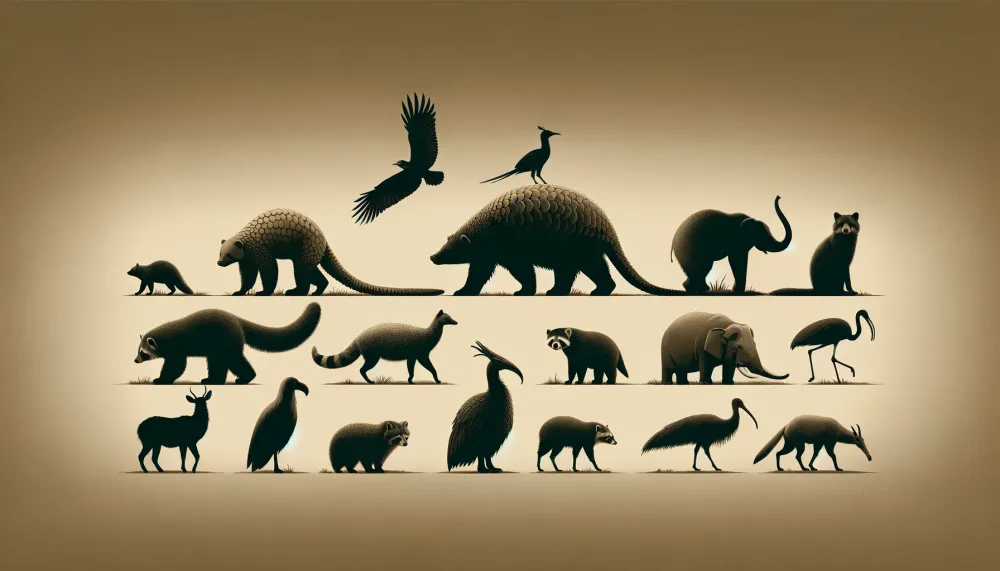
Five iconic animal species – the Amur leopard, Yangtze giant softshell turtle, Javan rhinoceros, vaquita, and northern white rhinoceros – are teetering on the brink of extinction, highlighting urgent biodiversity loss driven by habitat loss, illegal trade, and climate pressures.
Quick Answer
These five species are classified as Critically Endangered (Amur leopard, Yangtze giant softshell turtle, vaquita) or functionally extinct (Javan and northern white rhinoceros) according to the International Union for Conservation of Nature (IUCN) Red List (2023). Their populations have fallen below a few dozen individuals due to a combination of habitat destruction, poaching, by‑catch, and limited genetic diversity. The loss of each species would erode ecosystem services such as predator regulation, seed dispersal, and cultural heritage, while also signaling broader environmental degradation. Uncertainty remains about the exact timing of extinction, but without intensified conservation actions the species are likely to disappear within decades.
Key Takeaways
- All five species have fewer than 100 mature individuals remaining in the wild.
- Habitat loss, illegal wildlife trade, and incidental fishing gear are the primary direct threats.
- Genetic bottlenecks reduce reproductive success and increase disease susceptibility.
- Conservation measures that combine anti‑poaching, habitat restoration, and ex‑situ breeding show the highest success rates.
- Uncertainties include future climate impacts on habitats and the feasibility of assisted reproduction for megafauna.
What Is Five Animal Species on the Brink of Extinction Today?
The phrase refers to a short list of species whose global populations have declined to the point where extinction in the wild is imminent without drastic intervention. The list focuses on five taxonomically distinct animals – a large cat, a freshwater turtle, two rhinoceros species, and a small porpoise – each representing different ecosystems (temperate forest, riverine wetlands, tropical forest, and marine coastal zones). While “critically endangered” is a formal IUCN category, “on the brink of extinction” emphasizes the urgency beyond the label, highlighting that the remaining individuals are often isolated, reproductively compromised, and facing irreversible threats.
How Does It Work?
The decline of each species follows a cascade of ecological and socio‑economic processes:
1. Habitat Loss and Fragmentation
Deforestation for timber, agriculture, and infrastructure removes the core living spaces needed for feeding, breeding, and shelter. For the Amur leopard, illegal logging in the Russian Far East has fragmented its forest range, limiting prey availability.
2. Direct Exploitation
Poaching for body parts (rhino horn, leopard skin) and illegal capture for the pet trade directly remove individuals from the breeding pool. The Javan rhinoceros faces poaching pressure despite living in a protected reserve.
3. By‑catch and Fishing Gear
Gillnets intended for other species entangle vaquitas, causing mortality rates that exceed natural reproduction. This accidental capture is a key driver of their decline.
4. Genetic Bottlenecks
When populations shrink below ~50 mature individuals, inbreeding depression can reduce fertility and increase disease susceptibility, creating a feedback loop that accelerates decline.
5. Climate‑Related Stressors
Altered river flow from dam construction and shifting temperature regimes affect the Yangtze giant softshell turtle’s nesting sites, while sea‑level rise threatens shallow Gulf of California habitats used by vaquitas.
What Does the Evidence Show?
Long‑term monitoring by the IUCN, WWF, and national wildlife agencies consistently records decreasing trends for all five species. For example, camera‑trap surveys in 2022 estimated fewer than 90 wild Amur leopards (IUCN, 2023). Genetic analyses of the remaining northern white rhinos confirm a lack of viable males, rendering natural reproduction impossible (CITES, 2021). Field studies of vaquita by the National Marine Fisheries Service report a 95% reduction in sightings since the 1990s, with only 10 individuals observed in 2023. Systematic reviews of riverine turtle populations highlight habitat alteration as the dominant factor for the Yangtze softshell turtle’s decline (Conservation Biology, 2020). Collectively, these independent data streams converge on the conclusion that each species is on a trajectory toward extinction without immediate, coordinated action.
Main Causes or Drivers
Direct Causes
- Illegal poaching for high‑value body parts (rhinos, leopards).
- By‑catch in illegal gillnets (vaquita).
- Habitat conversion for agriculture, logging, and urban development.
- Dam construction and water pollution affecting freshwater turtles.
Underlying Drivers
- International demand for wildlife products, especially in Asian markets.
- Weak law enforcement and corruption that enable illegal trade.
- Economic incentives for small‑scale fishers to use indiscriminate gear.
- Climate change intensifying habitat degradation and altering prey distributions.
Environmental and Human Impacts
Environmental Impacts
Each species plays a unique ecological role. Apex predators like the Amur leopard regulate ungulate populations, influencing vegetation dynamics. Riverine turtles contribute to nutrient cycling by grazing aquatic vegetation. The loss of vaquitas signals declining health of Gulf of California ecosystems, which support commercial fisheries that feed millions of people.
Human Health and Social Impacts
Declines in biodiversity can reduce ecosystem resilience, making food systems more vulnerable to pests and diseases. Communities that rely on ecotourism (e.g., wildlife safaris in Indonesia) lose potential income when charismatic megafauna disappear. Moreover, illegal wildlife trade fuels organized crime, undermining governance and public safety.
Regional Differences
In the Russian Far East, low population density and harsh climate make anti‑poaching patrols logistically challenging, whereas in Indonesia dense human settlement around Ujung Kulon intensifies habitat encroachment. The Gulf of California’s semi‑closed basin concentrates fishing effort, leading to higher by‑catch rates for vaquitas compared with more open ocean systems. These regional contexts shape both threat severity and the feasibility of conservation interventions.
What Scientists Know With High Confidence
- All five species are listed as Critically Endangered or functionally extinct by the IUCN Red List (2023).
- Habitat loss and illegal wildlife trade are the dominant proximal threats across taxa.
- Genetic bottlenecks significantly reduce reproductive viability in populations under 100 individuals.
- By‑catch in gillnets is the primary cause of vaquita mortality, as demonstrated by vessel‑monitoring studies.
- Ex‑situ breeding programs have successfully increased numbers for the Yangtze giant softshell turtle in captivity.
What Remains Uncertain
Key uncertainties include the long‑term effectiveness of assisted reproductive technologies for megafauna such as the northern white rhinoceros, the rate at which climate change will shift suitable habitat for the Amur leopard, and the potential for illegal gillnet use to be eliminated without viable economic alternatives for fishers. Data gaps in remote regions (e.g., dense forest interiors) also limit precise population estimates, which could affect prioritization of limited conservation resources.
Common Misconceptions
Misconception: “All critically endangered species will go extinct soon.”
Reality: While extinction risk is high, targeted conservation actions—such as anti‑poaching patrols and habitat corridors—have reversed declines for species like the Amur leopard in some localities.
Misconception: “Captive breeding alone can save any species.”
Reality: Captive programs are essential but insufficient without concurrent habitat protection; reintroduction failures often stem from degraded wild environments.
Misconception: “The vaquita’s decline is caused only by overfishing.”
Reality: Overfishing contributes indirectly, but the immediate driver is illegal gillnet by‑catch for totoaba, a separate endangered fish whose swim bladder is highly valued in traditional medicine.
Solutions and Limitations
Effective strategies integrate prevention, mitigation, and restoration:
- Anti‑poaching technology: Drone surveillance and real‑time acoustic sensors reduce illegal hunting, yet high equipment costs limit deployment in remote areas.
- Legal trade bans and enforcement: Strengthening CITES listings curtails international trafficking, but corruption can undermine enforcement.
- Community‑based fisheries management: Providing alternative livelihoods reduces reliance on gillnets, though transition funding is often scarce.
- Habitat corridors: Restoring forest connectivity benefits the Amur leopard, but land‑use conflicts with agriculture must be negotiated.
- Assisted reproductive technologies: In vitro fertilization shows promise for the northern white rhino, yet success rates remain low and require sophisticated laboratory infrastructure.
What Individuals, Communities, and Governments Can Do
What Individuals Can Do
Support reputable conservation NGOs, avoid products linked to illegal wildlife trade, and advocate for sustainable seafood certifications that discourage gillnet use.
What Communities and Organizations Can Do
Develop ecotourism initiatives that generate income tied to species survival, implement citizen‑science monitoring programs, and partner with local law‑enforcement to report poaching activity.
What Governments Can Do
Allocate budget for anti‑poaching units, enforce stricter penalties for wildlife trafficking, fund habitat restoration projects, and create subsidy schemes that help fishers shift to selective gear.
Closing Synthesis
The five species highlighted—Amur leopard, Yangtze giant softshell turtle, Javan rhinoceros, vaquita, and northern white rhinoceros—share a common narrative of rapid decline driven by habitat loss, illegal trade, and insufficient genetic diversity. High‑confidence evidence confirms their critical status, while uncertainties remain around climate impacts and the scalability of advanced reproductive technologies. Solutions that blend law enforcement, community engagement, and scientific innovation offer the best hope, but each carries practical trade‑offs. Collective action across individual, community, and governmental levels is essential to move these species from the brink to a path of recovery.
Frequently Asked Questions
What does the IUCN category 'Critically Endangered' mean?
Critically Endangered is the highest risk category before extinction in the wild; it indicates a species faces an extremely high probability of extinction due to very small population size, rapid decline, or severe threats.
Why is the vaquita population so low compared with other marine mammals?
The vaquita population is low primarily because illegal gillnets used to catch totoaba entangle and drown the porpoises, causing mortality that far exceeds their natural reproductive rate.
How does habitat loss specifically affect the Amur leopard?
Habitat loss fragments the temperate forest that the Amur leopard needs for hunting and denning, reducing prey availability and isolating individuals, which limits breeding opportunities and increases human‑wildlife conflict.
What role does illegal wildlife trade play in the decline of rhinoceros species?
Illegal wildlife trade drives poaching for rhino horn, a high‑value product in traditional medicine, directly removing breeding adults and causing population crashes that are difficult to recover from.
What actions can ordinary people take to help protect these five species?
Individuals can support reputable conservation organizations, avoid purchasing products linked to wildlife trafficking, choose sustainably sourced seafood, and raise awareness about the importance of protecting critical habitats.







Leave a Comment