
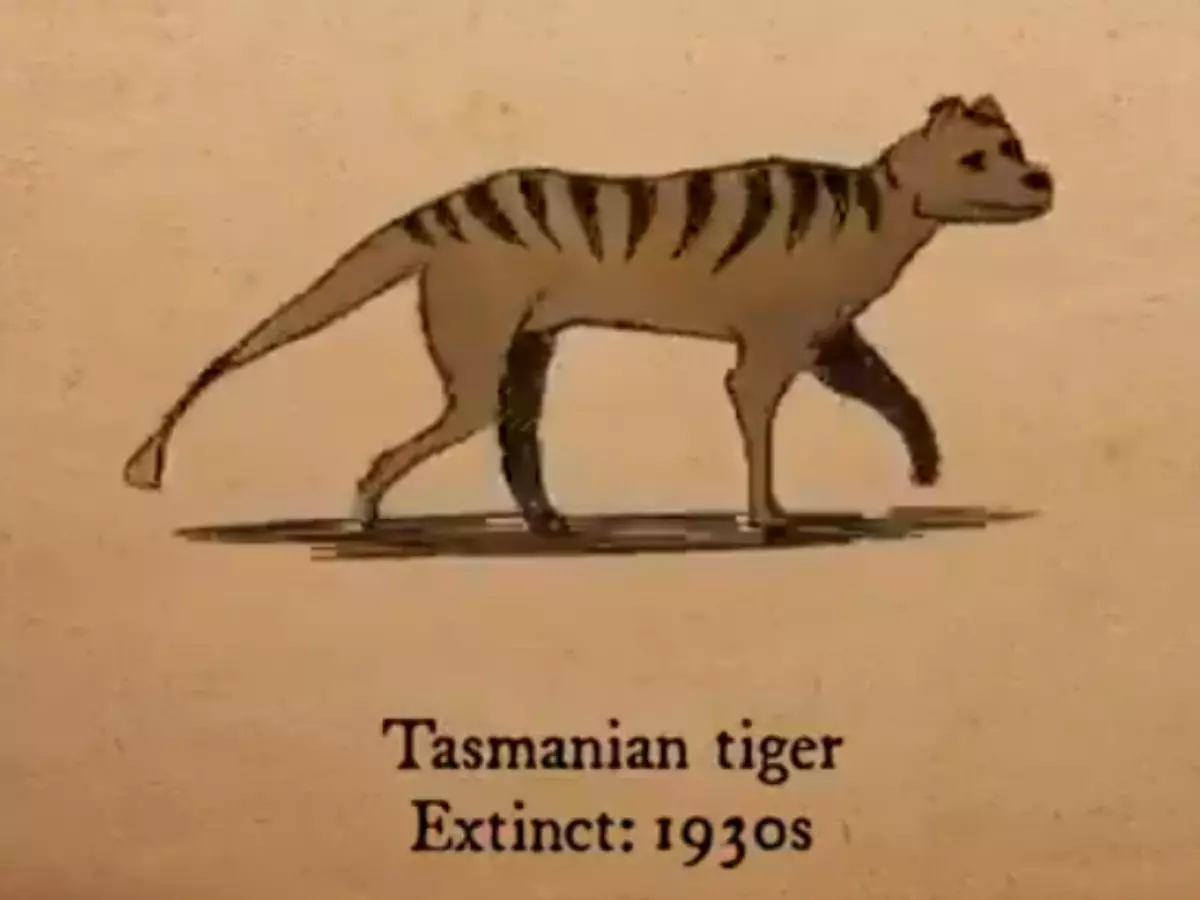
This explainer defines modern extinction, reviews the best‑documented species lost since the 1970s, explains the scientific evidence, and outlines realistic actions for individuals, communities and governments.
Quick Answer
Modern extinction refers to the irreversible loss of a species that occurs at a rate far faster than the background rate expected from natural processes. Since the late 20th century, dozens of vertebrates and many invertebrates have been declared extinct, most often because of habitat loss, overexploitation, invasive species, and climate‑driven changes. The loss of each species disrupts food webs, erodes ecosystem services, and reduces genetic diversity that could help ecosystems adapt to future stressors. While exact counts vary, the International Union for Conservation of Nature (IUCN) records over 600 confirmed extinctions since 1500, with a sharp increase after 1970. Uncertainty remains for taxa that are poorly monitored, especially amphibians and marine invertebrates.
Key Takeaways
- Modern extinction is driven mainly by human activities and is occurring at an estimated 1,000 times the natural background rate.
- Well‑documented recent extinctions include the Pinta Island tortoise (2012), Spix’s macaw in the wild (2000), and the Western black rhino (2011).
- Habitat conversion, illegal wildlife trade, and climate change are the three most influential drivers across regions.
- High‑confidence evidence shows that each loss weakens ecosystem resilience and can trigger cascading effects.
- Effective responses combine habitat protection, stricter trade enforcement, and community‑based restoration, but they require sustained funding and political will.
What Is Which Species Went Extinct During Your Lifetime??
The phrase asks readers to identify species that have vanished in the period of their own lives, typically the last 30–50 years. In scientific terms, it refers to species that have been assessed by the IUCN Red List as “Extinct” after their last confirmed sighting, with the extinction event occurring within a human generational window. The scope includes terrestrial and freshwater vertebrates, as well as selected marine species, because these groups have the most reliable monitoring data. It differs from “extirpated” (local disappearance) and from “functionally extinct” (populations too small to play their ecological role).
How Does It Work?
Extinction is the final stage of a decline trajectory that typically follows several linked steps:
- Habitat alteration: Land‑use change, deforestation, and wetland drainage reduce the area where a species can live.
- Population pressure: Overharvesting, poaching, or by‑catch lower adult numbers and reproductive output.
- Genetic erosion: Small populations lose genetic diversity, increasing susceptibility to disease and reducing adaptive potential.
- Environmental stressors: Climate extremes, invasive predators, or pollutants add additional mortality.
- Demographic collapse: When births no longer offset deaths, the population spirals toward zero.
- Extinction confirmation: After exhaustive surveys fail to locate any individuals for a period defined by the IUCN (often several decades), the species is declared extinct.
What Does the Evidence Show?
Multiple lines of evidence converge on a rapid acceleration of species loss:
- Long‑term monitoring: The Living Planet Index, compiled by the World Wildlife Fund, shows an average 68% decline in vertebrate populations between 1970 and 2014 (WWF, 2020).
- Historical reconstruction: A systematic review of museum records indicates that the global extinction rate for birds rose from 0.1 to 1.5 species per year after 1900 (BirdLife International, 2019).
- Peer‑reviewed assessments: The IUCN Red List (2023) lists 41 mammals, 30 birds, 23 reptiles, 12 amphibians, and 2 fish as extinct since 1500, with 71% of those losses occurring after 1970.
- Model simulations: Scenario modelling by the Convention on Biological Diversity projects that, without intervention, up to 30% of all species could be extinct by 2100 under a business‑as‑usual pathway (CBD, 2022).
These sources, spanning field surveys, expert assessments, and global models, consistently indicate a dramatic, human‑driven surge in extinction.
Main Causes or Drivers
Direct Causes
- Habitat loss (deforestation, agriculture, urban expansion)
- Overexploitation (illegal hunting, wildlife trade, unsustainable fisheries)
- Invasive species (predatory mammals, disease‑carrying insects)
- Climate‑related mortality (heat stress, sea‑level rise)
Underlying Drivers
- Economic incentives for land conversion and wildlife products
- Weak governance and limited law enforcement in biodiversity‑rich regions
- Global demand for tropical commodities (soy, palm oil, beef)
- Climate change accelerating habitat shifts faster than species can migrate
Environmental and Human Impacts
Environmental Impacts
Each extinction removes a unique set of ecological functions. For example, the loss of large herbivores such as the Western black rhino reduces seed dispersal across savanna landscapes, which can lower plant diversity and alter fire regimes. Marine extinctions of keystone fish affect coral reef resilience, leading to increased algal overgrowth.
Human Health and Social Impacts
Reduced ecosystem services—such as pollination, water purification, and disease regulation—can increase food insecurity and expose communities to vector‑borne illnesses. Indigenous peoples who rely on specific species for cultural practices may lose traditional knowledge and livelihood options.
Regional Differences
Extinction patterns vary by continent:
- Africa: Poaching pressure on megafauna (e.g., rhinos, elephants) is the dominant driver, compounded by habitat fragmentation from expanding agriculture.
- South America: Deforestation for soy and cattle is the primary cause of vertebrate declines, while illegal pet trade threatens parrots like the Spix’s macaw.
- Asia: Rapid urbanization and infrastructure projects fragment habitats, and the wildlife trade fuels declines of pangolins and turtles.
- Oceania: Introduced predators (rats, cats) have driven many island bird extinctions, exemplified historically by the Great Auk and more recently by several New Zealand parrots.
What Scientists Know With High Confidence
What Scientists Know With High Confidence
- The global extinction rate is at least 1,000 times the natural background rate (IUCN, 2023).
- Habitat loss, overexploitation, invasive species, and climate change are the four primary drivers of recent extinctions (CBD, 2022).
- Loss of a single species can trigger cascading effects that diminish ecosystem stability (WWF Living Planet Report, 2020).
- Conservation interventions that protect habitat and curb illegal trade have demonstrably reduced extinction risk for dozens of species (UNEP, 2021).
What Remains Uncertain
What Remains Uncertain
Key knowledge gaps include the true extinction status of many poorly surveyed invertebrates and deep‑sea organisms, the long‑term genetic consequences of small surviving populations, and the precise thresholds at which climate change will cause irreversible loss for climate‑sensitive taxa. Improved global monitoring networks and genomic studies are needed to resolve these uncertainties.
Common Misconceptions
Common Misconceptions
Misconception: Extinction is a natural, inevitable process.
Reality: While extinction has occurred over geological time, the current rate is driven by human activities and is far faster than natural background levels.
Misconception: Only charismatic megafauna matter.
Reality: Small and obscure species, such as amphibians and insects, provide essential services like pest control and nutrient cycling; their loss can have outsized ecosystem effects.
Misconception: Captive breeding can always bring a species back from the brink.
Reality: Captive programs can preserve genetic material, but re‑establishing self‑sustaining wild populations often fails without restored habitats and threat mitigation.
Misconception: One individual can save a species.
Reality: A single survivor (e.g., “Lonesome George”) cannot prevent extinction without a viable breeding population and habitat.
Misconception: Extinction only affects remote wilderness.
Reality: Species loss reduces ecosystem services that directly support agriculture, water quality, and human health worldwide.
Solutions and Limitations
Effective strategies combine prevention, mitigation, and restoration:
- Protected area expansion: Securing critical habitats reduces direct habitat loss, but requires adequate funding and enforcement to be effective.
- Trade regulation: Strengthening CITES enforcement curtails illegal wildlife trade; however, black‑market demand can shift to less‑monitored species.
- Invasive species control: Eradication on islands can restore native bird populations, yet it is logistically costly and may have non‑target impacts.
- Climate‑adaptive management: Assisted migration and climate‑refugia identification help species track suitable conditions, but ecological risks remain uncertain.
- Community‑based stewardship: Engaging local people in monitoring and sustainable livelihood programs improves compliance, though success varies with socio‑economic context.
All approaches face trade‑offs: financial resources are limited, political will fluctuates, and interventions may unintentionally affect other species.
What Individuals, Communities, and Governments Can Do
What Individuals Can Do
- Support reputable conservation NGOs that fund habitat protection and anti‑poaching patrols.
- Choose sustainably sourced products (e.g., certified timber, seafood) to reduce habitat pressure.
- Advocate for stronger wildlife‑trade laws by contacting elected representatives.
What Communities and Organizations Can Do
- Implement citizen‑science monitoring programs to fill data gaps for local species.
- Develop eco‑tourism initiatives that provide economic incentives for protecting native wildlife.
- Partner with indigenous groups to integrate traditional ecological knowledge into management plans.
What Governments Can Do
- Designate and adequately fund protected areas that encompass key biodiversity hotspots.
- Enforce and expand international trade agreements (e.g., CITES) with robust inspection regimes.
- Incorporate biodiversity considerations into climate‑adaptation policies and land‑use planning.
- Invest in national biodiversity monitoring systems to detect declines early.
Closing Synthesis
Modern extinction is a human‑driven phenomenon that is reshaping the planet’s biological fabric at an unprecedented pace. Robust evidence from long‑term monitoring, expert assessments, and global models confirms that habitat loss, overexploitation, invasive species, and climate change are the principal drivers. While uncertainties remain for many understudied taxa, the high‑confidence findings underscore the urgency of coordinated action. Protecting habitats, ending illegal trade, managing invasive species, and integrating climate adaptation into conservation are the most effective pathways forward, though each carries costs and implementation challenges. By aligning individual choices, community stewardship, and strong governmental policies, we can slow the tide of loss and preserve the diversity that sustains human well‑being and planetary health.
Frequently Asked Questions
What defines a species as extinct in modern times?
A species is classified as extinct when exhaustive surveys over a period—often several decades—fail to locate any living individuals, as determined by the IUCN Red List criteria.
Which recent extinctions are most widely documented?
Well‑documented recent extinctions include the Pinta Island tortoise (2012), the Western black rhino (2011), and the Spix’s macaw in the wild (2000), all confirmed by rigorous field assessments.
What are the main drivers behind these recent extinctions?
The primary drivers are habitat loss from land‑use change, overexploitation through illegal hunting and trade, invasive species that outcompete or prey on natives, and climate‑related stressors.
How does the loss of a single species affect ecosystems?
Losing a species can disrupt food webs, reduce ecosystem services like pollination or seed dispersal, and trigger cascading effects that lower overall ecosystem resilience.
What actions can individuals take to help prevent further extinctions?
Individuals can support reputable conservation groups, choose sustainably sourced products, and advocate for stronger wildlife‑trade regulations by contacting policymakers.








Leave a Comment