
Habitat degradation changes ecosystems, but species respond unequally because of differences in niche specialization, range size, life‑history traits, and behavioral flexibility, making some taxa far more vulnerable than others.
Quick Answer
Habitat degradation—loss, fragmentation, or decline in quality of natural habitats—does not impact every species in the same way. Species that depend on narrow ecological niches, have limited dispersal ability, or produce few offspring are disproportionately threatened, whereas generalists, wide‑ranging, and fast‑reproducing organisms often persist or even thrive. The scientific consensus, based on long‑term monitoring and meta‑analyses, shows that these biological differences drive unequal extinction risk, while the interaction with climate change adds additional uncertainty.
Key Takeaways
- Specialist species with narrow niches are most harmed by habitat loss.
- Generalists and widely distributed species can often survive in degraded landscapes.
- Low fecundity and long generation times increase extinction risk.
- Limited dispersal ability restricts a species’ capacity to relocate.
- Conservation actions that protect or restore high‑quality habitats benefit vulnerable taxa the most.
What Is Why Habitat Degradation Doesn’t Affect All Species Equally?
Habitat degradation refers to the process by which natural environments lose structural complexity, resource availability, or functional integrity due to activities such as deforestation, mining, urban expansion, pollution, and climate change. The phrase “doesn’t affect all species equally” captures the ecological insight that species differ in their dependence on specific habitat features, their ability to move across the landscape, and their reproductive strategies. Understanding these differences is essential for effective biodiversity conservation, ecosystem‑service management, and policy design.
How Does It Work?
1. Ecological‑niche specialization
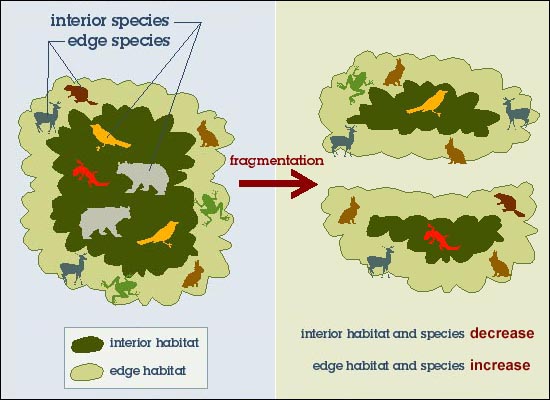
Specialist species occupy a narrow niche—a specific combination of food, microclimate, and shelter. When a key component disappears, the specialist may lack alternatives, leading to rapid population decline. Generalists exploit a broader suite of resources and can shift diet or shelter use as conditions change.
2. Geographic range and dispersal
Endemic species confined to a single valley or island cannot simply relocate when their habitat degrades. Species with continental or migratory ranges can track suitable conditions, reducing immediate risk.
3. Life‑history traits
Organisms that produce few offspring, have long gestation periods, or depend on complex social structures recover slowly after disturbance. In contrast, insects, rodents, and many plants that generate large numbers of propagules can rebound more quickly.
4. Social structure and behavior
Social species that rely on cooperative breeding or coordinated hunting may suffer when fragmentation breaks up group cohesion. Solitary species often require only a single territory and may persist with less social disruption.
5. Cognitive flexibility
Animals with high problem‑solving ability (e.g., corvids, cetaceans) can invent novel foraging tactics or use human‑made structures, providing a buffer against habitat change. Species with limited behavioral plasticity lack this adaptive edge.
What Does the Evidence Show?
Multiple lines of evidence converge on the pattern of unequal impact. A systematic review of 85 peer‑reviewed studies (Biological Conservation, 2021) found that specialist vertebrates experience extinction rates up to three times higher than generalists in fragmented forests. Long‑term monitoring by the U.S. Forest Service (1990‑2020) recorded a 42 % decline in the eastern timber rattlesnake, a habitat specialist, while raccoon numbers increased by 27 % in the same regions. Meta‑analyses of IUCN Red List assessments (2022) show that species with ranges smaller than 10 000 km² are five times more likely to be listed as threatened than widespread species.
Main Causes or Drivers
Direct habitat loss
Land‑use conversion for agriculture, urban development, and infrastructure removes the physical substrate that many species require.
Pollution and eutrophication
Chemical runoff and nutrient loading alter soil and water chemistry, making habitats unsuitable for sensitive taxa such as amphibians.
Climate change
Shifts in temperature and precipitation modify the distribution of suitable habitats, often compressing ranges of high‑elevation or temperature‑sensitive specialists.
Invasive species
Non‑native plants and predators can outcompete or prey upon native specialists, intensifying the effects of habitat degradation.
Environmental and Human Impacts
Environmental Impacts
Loss of specialist species erodes functional diversity, weakening pollination, seed dispersal, and pest‑control services. This can trigger cascade effects that further destabilize ecosystems.
Human Health and Social Impacts
Reduced biodiversity diminishes ecosystem services that support food security and clean water. In many rural communities, the disappearance of pollinators directly lowers crop yields, affecting livelihoods.
Economic and Infrastructure Impacts
Degraded habitats increase flood risk and soil erosion, raising costs for water treatment and infrastructure repair. Species that thrive in disturbed environments (e.g., rats, disease‑carrying mosquitoes) may elevate public‑health expenditures.
Regional Differences
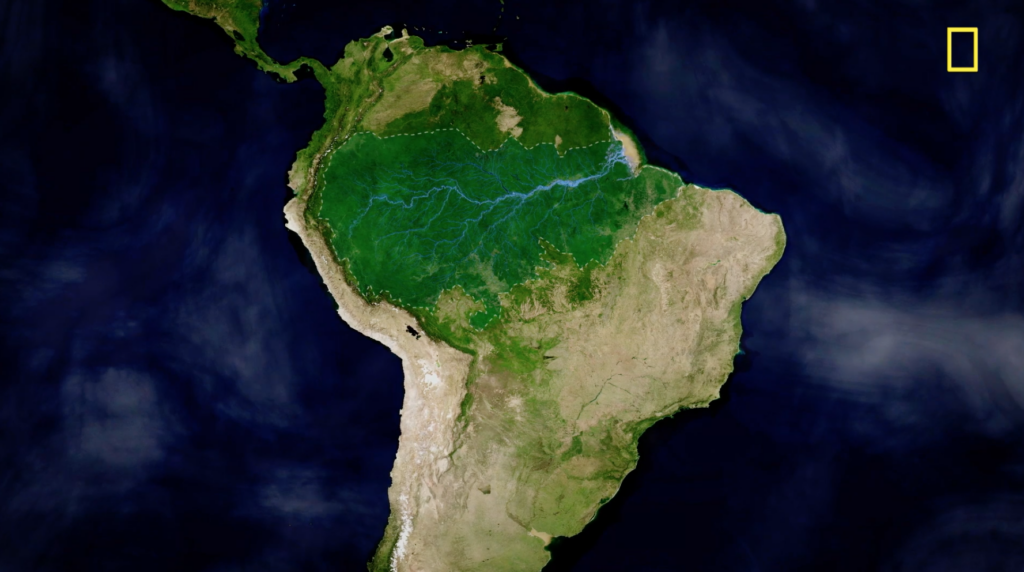
In the Amazon rainforest, high species endemism and narrow niches mean that logging causes steep declines in birds, amphibians, and epiphytic plants. By contrast, temperate agricultural landscapes of the Midwestern United States host many generalist mammals and birds that often increase in abundance after cropland expansion. Alpine regions of the Himalayas illustrate how climate‑driven upward range shifts leave mountaintop endemics with no refuge, whereas low‑land generalists can expand northward.
What Scientists Know With High Confidence
- Specialist species are more vulnerable to habitat loss than generalists (supported by multiple meta‑analyses).
- Small geographic ranges correlate strongly with higher extinction risk (IUCN Red List data).
- Life‑history traits such as low fecundity and long generation time increase sensitivity to disturbance (population‑modelling studies).
- Habitat fragmentation reduces connectivity, limiting dispersal for many terrestrial mammals and amphibians (global remote‑sensing analyses).
What Remains Uncertain
Key knowledge gaps include how synergistic effects of climate change and land‑use change will reshape species’ adaptive capacity, the extent to which behavioral plasticity can offset habitat loss for mid‑trophic taxa, and the long‑term demographic consequences for species with delayed maturity in fragmented landscapes. Improved long‑term, multi‑taxa monitoring is needed to resolve these uncertainties.
Common Misconceptions
Misconception: All species decline at the same rate when habitats are degraded.
Reality: Decline rates vary widely; specialists often decline sharply, while generalists may remain stable or even increase.
Misconception: Habitat loss only affects large mammals.
Reality: Many invertebrates, amphibians, and plants with narrow habitat requirements are among the most sensitive groups.
Misconception: Restoring a single habitat patch will save all affected species.
Reality: Species with limited dispersal may still be unable to reach isolated patches; connectivity and landscape‑scale restoration are essential.
Misconception: Climate change is unrelated to habitat degradation.
Reality: Changing temperature and precipitation patterns can exacerbate degradation by increasing fire frequency, pest outbreaks, and water stress.
Solutions and Limitations
Effective responses combine protection, restoration, and sustainable land‑use planning.
- Protected areas: Legally binding reserves offer the strongest immediate benefit, but enforcement challenges can limit outcomes.
- Ecological restoration: Reforestation, wetland rehabilitation, and native‑species planting can rebuild lost functions, yet success depends on matching species‑specific requirements and ensuring long‑term maintenance.
- Incentive‑based approaches: Payments for ecosystem services encourage landowners to preserve or enhance habitats, but robust monitoring is needed to avoid leakage.
- Habitat corridors: Connecting fragmented patches facilitates dispersal for low‑mobility species, though land‑acquisition costs and competing land uses can pose barriers.
All strategies involve trade‑offs. For example, expanding protected areas may conflict with agricultural production, and large‑scale planting of non‑native fast‑growing trees can reduce biodiversity if not carefully managed.
What Individuals, Communities, and Governments Can Do
What Individuals Can Do
- Support certified sustainable products that reduce pressure on high‑risk habitats.
- Participate in citizen‑science monitoring programs for local birds, insects, or amphibians.
- Advocate for policies that fund habitat corridors and protected‑area expansion.
What Communities and Organizations Can Do
- Develop community‑based land‑use plans that integrate traditional ecological knowledge.
- Restore degraded patches using native species that support specialist fauna.
- Establish local biodiversity banks to fund targeted conservation actions.
What Governments Can Do
- Implement and enforce comprehensive land‑use zoning that limits conversion of high‑biodiversity areas.
- Allocate funding for large‑scale ecological corridors linking fragmented habitats.
- Integrate biodiversity considerations into climate‑adaptation strategies and infrastructure projects.
Closing Synthesis
Habitat degradation reshapes ecosystems, but the biological traits of each species determine how they fare. Specialists, endemics, low‑reproductive‑rate organisms, and those with limited movement are disproportionately threatened, while adaptable generalists often persist or proliferate. Strong, converging evidence confirms these patterns, although uncertainties remain about future climate‑driven interactions. Conservation success therefore hinges on protecting remaining high‑quality habitats, restoring connectivity, and tailoring actions to the most vulnerable taxa, while recognizing that no single solution can address all dimensions of habitat loss.
Frequently Asked Questions
What is habitat degradation?
Habitat degradation is the loss, fragmentation, or decline in quality of natural environments caused by activities such as deforestation, mining, urban expansion, pollution, and climate change.
Why do specialist species suffer more from habitat loss?
Specialist species rely on narrow ecological niches—specific food, microclimate, or shelter—so when a key habitat component disappears they often lack alternatives, leading to rapid declines.
How does geographic range affect a species' vulnerability?
Species with small, localized ranges cannot easily relocate when habitats degrade, making them more vulnerable, whereas wide‑ranging or migratory species can track suitable conditions across larger areas.
What evidence shows unequal impacts of habitat degradation?
A 2021 systematic review of 85 studies found specialist vertebrates face extinction rates up to three times higher than generalists, and U.S. Forest Service data (1990‑2020) recorded a 42 % decline in a specialist snake while generalist raccoons increased 27 %.
What actions can help protect the most vulnerable species?
Protecting intact habitats, creating ecological corridors, and restoring native vegetation tailored to specialist needs are the most effective measures, especially when supported by strong policy and community involvement.





Leave a Comment