
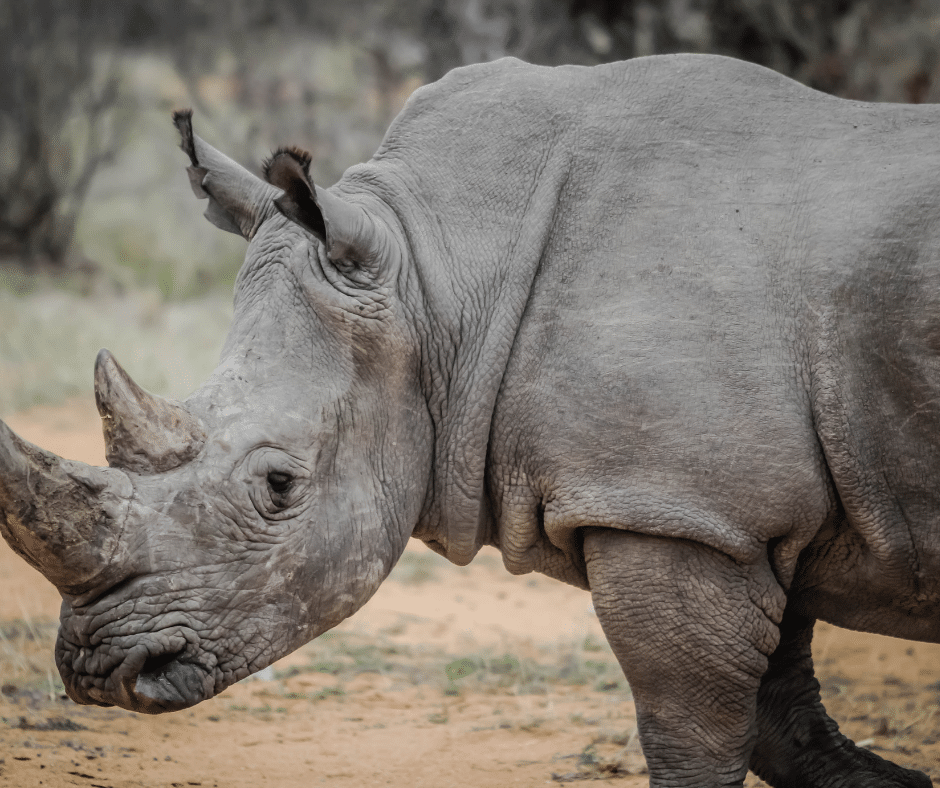
Since the start of the twenty‑first century more than 200 species have been declared extinct, revealing a rapid loss of biodiversity that threatens ecosystem services and human well‑being.
Quick Answer
According to the International Union for Conservation of Nature (IUCN) Red List, over 200 vertebrate and plant species have been confirmed extinct worldwide between 2000 and 2023. Extinction results when a species’ last viable individuals die, often because habitat loss, climate change, overexploitation, invasive species, and pollution interact to eliminate survival opportunities. The loss reduces ecosystem resilience, weakens services such as pollination and water purification, and can increase vulnerability of human communities that depend on those services. While the exact count is uncertain due to incomplete monitoring, the trend is clear: extinction rates are now dozens to hundreds of times higher than background rates measured in the fossil record.
Key Takeaways
- More than 200 species have been recorded as extinct since 2000, a rate far above natural background levels.
- Habitat destruction, climate change, overexploitation, invasive species, and pollution are the primary drivers.
- Extinctions erode ecosystem services that support food, water, and health security.
- High‑confidence science confirms the trend, but data gaps leave many small‑range species unrecorded.
- Effective responses combine habitat protection, climate mitigation, sustainable use, and targeted restoration.
What Is How Much Wildlife Has Gone Extinct Since the Year 2000??
The phrase refers to the total number of species that have been officially classified as “Extinct” by a recognized authority (most often the IUCN Red List) after the year 2000. It includes vertebrates (mammals, birds, reptiles, amphibians, fish), selected plant groups, and a few invertebrates that have undergone thorough assessments. The count does not include species that are merely “Critically Endangered” or “Possibly Extinct”; it captures only those for which no living individuals are known after exhaustive surveys.
How Does It Work?
1. Species Assessment Process
- Data collection – field surveys, museum records, and citizen‑science observations are compiled.
- Evaluation – experts apply IUCN criteria (e.g., population size, trend, geographic range).
- Peer review – assessments are checked by regional and global specialist groups.
- Red List entry – a species is listed as Extinct when exhaustive surveys fail to locate any individual over a time frame appropriate to its life‑history.
2. Ecological Mechanisms Leading to Extinction
Extinction is the final point of a cascade that often begins with habitat alteration. Reduced habitat size lowers carrying capacity, which can trigger demographic stochasticity, Allee effects, and loss of genetic diversity. Climate change can shift suitable climate envelopes faster than species can migrate, while invasive predators or competitors add direct mortality. Overexploitation removes reproductive adults, and pollution can cause physiological failure. When multiple stressors act simultaneously, the probability of extinction rises sharply.
What Does the Evidence Show?
Long‑term monitoring by the IUCN (2023 assessment) records 214 confirmed extinctions since 2000, of which 124 are vertebrates and 90 are plants. A systematic review of peer‑reviewed studies (Nature Communications, 2022) found that extinction rates in the 2000‑2020 period are 100–1,000 times higher than the background fossil rate of 0.1–1 extinctions per million species‑years. Regional analyses show the highest confirmed losses in tropical islands (e.g., Hawaiian honeycreepers) and freshwater systems (e.g., the Yangtze River dolphin). Model simulations by the Convention on Biological Diversity suggest that, without intensified conservation, the cumulative extinction count could exceed 1,000 species by 2050.
Main Causes or Drivers
Habitat Loss and Fragmentation
Deforestation, urban expansion, and agricultural conversion have removed or fragmented more than 30 % of global primary habitats since 2000 (FAO, 2022). Species with small ranges are especially vulnerable because even modest habitat loss can eliminate all viable populations.
Climate Change
Rising temperatures and altered precipitation have shifted climate niches poleward and upward. For many montane amphibians, the suitable temperature band has vanished, leading to rapid declines and local extinctions.
Overexploitation
Unsustainable hunting, fishing, and trade have driven species such as the Atlantic goliath grouper and several pangolin species to the brink of disappearance. Illegal wildlife markets continue to pressure charismatic birds like the Spix’s macaw.
Invasive Species
Non‑native predators (e.g., brown tree snake on Guam) and competitors (e.g., Nile perch in Lake Victoria) have caused cascade extinctions of endemic fish and bird species.
Pollution
Chemical contaminants, plastic ingestion, and eutrophication degrade habitats and cause direct mortality, especially in aquatic organisms.
Environmental and Human Impacts
Environmental Impacts
Loss of pollinators reduces crop yields; removal of apex predators can trigger trophic cascades that alter vegetation structure; coral reef die‑offs diminish marine biodiversity and fisheries productivity.
Human Health and Social Impacts
Reduced biodiversity can increase disease emergence by disrupting host‑parasite dynamics. Indigenous cultures that rely on specific species for food, medicine, or spiritual practices lose cultural heritage when those species vanish.
Economic and Infrastructure Impacts
Tourism revenues linked to wildlife (e.g., safaris, birdwatching) decline when target species become extinct. Fisheries suffer when keystone fish disappear, leading to lower catches and higher prices.
Regional Differences
In tropical rainforests of the Amazon and Congo, rapid deforestation drives most documented extinctions, while in temperate regions, climate‑induced range shifts dominate. Island ecosystems (e.g., Madagascar, Hawaii) experience disproportionate loss because endemic species lack alternative habitats. Freshwater systems in Asia and North America show high extinction rates due to dam construction and water extraction.
What Scientists Know With High Confidence
- Extinction rates since 2000 are orders of magnitude above background levels.
- Habitat loss is the single largest direct driver of recent extinctions.
- Climate change is already causing measurable range contractions that increase extinction risk.
- Combined stressors (e.g., habitat loss plus invasive species) accelerate extinction probabilities more than any single factor.
What Remains Uncertain
Data gaps persist for many invertebrates, fungi, and microbes, meaning the true extinction count is likely higher. Uncertainty also surrounds the speed at which species can adapt to rapid climate shifts, and the effectiveness of emerging technologies such as gene‑drive‑based invasive‑species control. Improved global monitoring and standardized assessment protocols are needed to reduce these uncertainties.
Common Misconceptions
Misconception: Extinction is a slow, natural process that cannot be influenced by humans.
Reality: Human activities have accelerated extinction rates to levels comparable to past mass‑extinction events, as shown by multiple peer‑reviewed assessments.
Misconception: Only charismatic megafauna are disappearing.
Reality: Many small, less‑known organisms—such as certain amphibians, insects, and plant species—have also been lost, but receive less media attention.
Misconception: If a species is listed as “Critically Endangered,” it is not yet extinct, so concern is premature.
Reality: Critically Endangered species have extremely small, declining populations; without urgent action, many transition to extinction within decades.
Solutions and Limitations
Conservation strategies include protected‑area expansion, habitat restoration, climate‑smart land‑use planning, anti‑poaching enforcement, and ex‑situ breeding programs. While protected areas can safeguard up to 60 % of threatened species when well‑managed, they are limited by funding, governance, and climate‑induced habitat shifts. Captive breeding can prevent total loss (e.g., the California condor) but may not address underlying habitat problems, and re‑introduction success varies.
What Individuals, Communities, and Governments Can Do
What Individuals Can Do
Support reputable conservation NGOs, choose sustainably sourced products (e.g., certified timber, low‑impact seafood), reduce personal carbon footprints, and participate in citizen‑science projects that improve monitoring data.
What Communities and Organizations Can Do
Develop local habitat corridors, implement community‑led invasive‑species removal, and integrate biodiversity considerations into land‑use planning and education programs.
What Governments Can Do
Enact and enforce strong protected‑area networks, fund long‑term biodiversity monitoring, align agricultural subsidies with conservation outcomes, and incorporate biodiversity targets into climate‑action plans.
Closing Synthesis
Since 2000, more than 200 species have been lost, a stark indicator that humanity is reshaping the planet’s biological fabric at an unprecedented pace. Robust evidence links habitat destruction, climate change, overexploitation, invasive species, and pollution to these extinctions. While high‑confidence findings clarify the main drivers, uncertainties about less‑studied taxa and future adaptive capacity remain. Effective solutions require coordinated actions across protection, sustainable resource use, climate mitigation, and restoration, each with its own trade‑offs. By aligning individual choices, community initiatives, and policy frameworks, society can slow the extinction tide and preserve the ecosystem services essential for present and future generations.
Frequently Asked Questions
How many species have been declared extinct since the year 2000?
More than 200 species, including vertebrates and plants, have been officially listed as extinct by the IUCN Red List between 2000 and 2023.
What are the main drivers behind recent wildlife extinctions?
The primary drivers are habitat loss and fragmentation, climate change, overexploitation, invasive species, and pollution, often acting together to push species beyond survival thresholds.
Why is the extinction rate considered higher than natural background rates?
Studies show current extinction rates are 100 to 1,000 times greater than the background fossil rate of 0.1–1 extinctions per million species‑years, indicating a human‑driven acceleration.
How do extinctions affect human societies?
Loss of biodiversity reduces ecosystem services such as pollination, water purification, and fishery productivity, can increase disease risk, and threatens cultural practices that depend on specific species.
What actions can governments take to reduce future extinctions?
Governments can expand and effectively manage protected areas, fund long‑term monitoring, align subsidies with conservation goals, and embed biodiversity targets in climate and land‑use policies.








Leave a Comment