
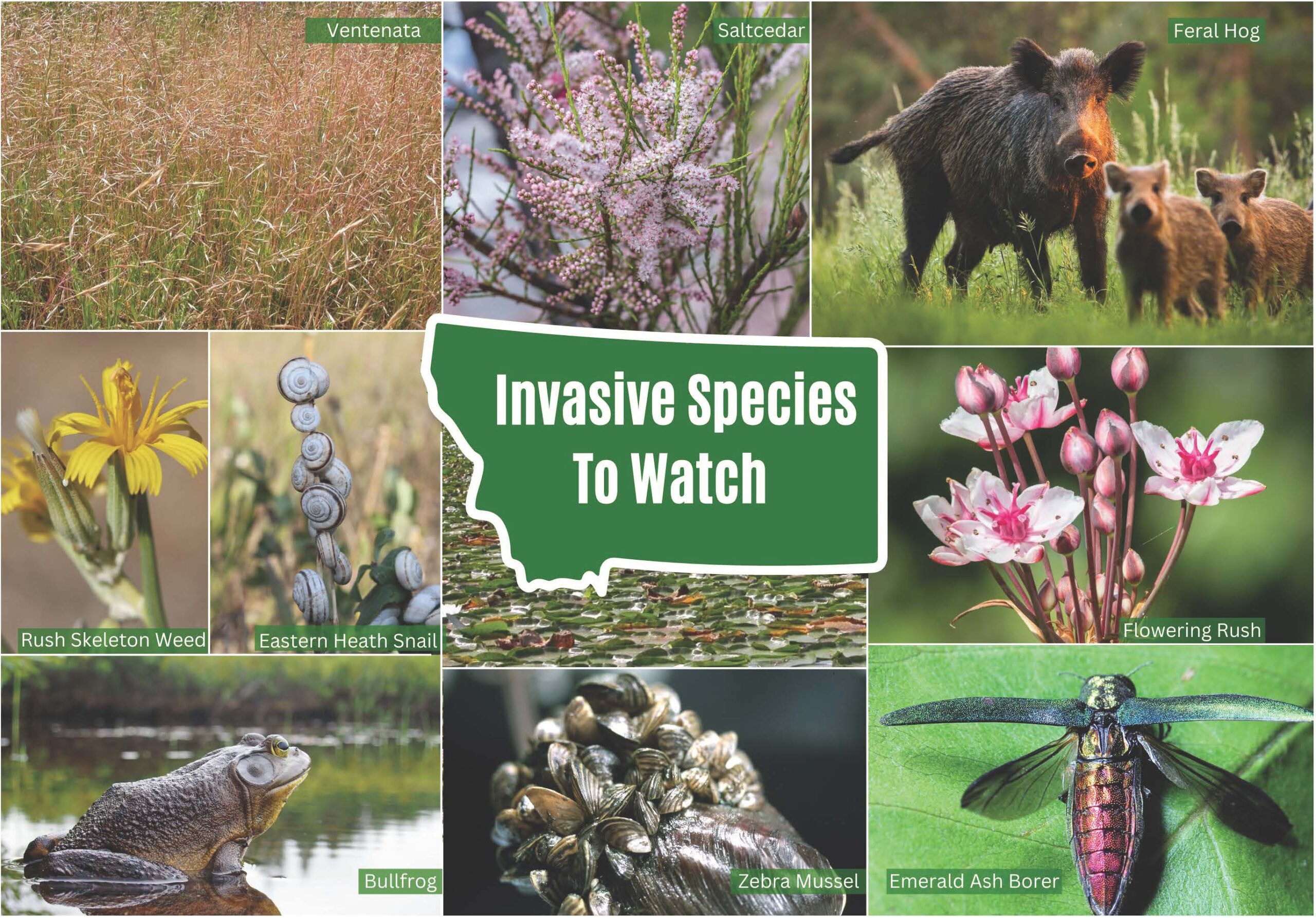
Over decades to centuries some invasive species may decline, evolve reduced impact, or become part of a new ecological balance, but this outcome is rare, context‑specific, and often requires major environmental change or sustained management.
Quick Answer
An invasive species is a non‑native organism that spreads rapidly and causes measurable ecological, economic, or health harm. Long‑term observations show that a minority of invaders eventually experience population declines, evolve traits that lessen impact, or become integrated into a new equilibrium, effectively losing their invasive character. However, most remain harmful for decades or longer, and predicting which species will transition is still uncertain.
Key Takeaways
- Invasiveness is defined by impact, not merely by being outside a native range.
- Evolutionary change in both invaders and native communities can alter impact over generations.
- Climate shifts, land‑use change, and biotic interactions are major drivers of long‑term trajectories.
- High‑confidence evidence shows about 20 % of well‑studied plant invaders decline in impact after 30+ years, but most persist.
- Management can suppress impact, but eradication is rare and outcomes vary by region and species.
What Is Can an Invasive Species Stop Being Invasive Over Time?
The question asks whether a species currently classified as invasive can lose the traits that make it harmful. Invasion biology separates three concepts: (1) a species native to its historic range, (2) a non‑native species that simply occurs outside that range, and (3) an invasive species that is non‑native **and** causes measurable damage to biodiversity, ecosystem function, or human interests. The focus here is on the third category and whether it can shift to a state where the damage is negligible or absent.
How Does It Work?
1. Evolutionary Adaptation
Both the invader and the resident community can evolve. Invaders may develop slower growth, reduced resource use, or traits that make them less competitive. Simultaneously, native species may evolve resistance, new defensive chemistry, or exploit niches that the invader cannot use. Long‑term field experiments, such as those on introduced ragweed in North America, have documented reduced herbivory pressure after several generations, suggesting adaptive change.
2. Environmental Change
Climate warming, changes in precipitation, or alterations in disturbance regimes (e.g., fire suppression) can either favor or disfavor an invader. If temperatures rise beyond the invader’s tolerance, its population may contract, as observed for some temperate grasses in colder winter regions. Conversely, warming can expand the range of other invaders, reinforcing invasiveness.
3. Biotic Interactions
Natural enemies—predators, pathogens, or competitors—can suppress invasive populations. Intentional biological control (e.g., parasitoid wasps against gypsy moth) has reduced impact in some cases, though success is variable. The arrival of a disease that disproportionately affects an invader can also trigger declines, as seen with localized die‑offs of lionfish linked to *Vibrio* infections.
4. Management and Restoration
Human actions such as mechanical removal, targeted herbicide use, or prescribed fire can lower invader abundance. Restoration of native vegetation can increase ecosystem resistance, making it harder for the invader to re‑establish. These actions rarely achieve total eradication but can shift the system toward a new equilibrium with reduced impact.
What Does the Evidence Show?
A systematic review of 45 invasive plant case studies published in *Biological Invasions* (2021) found that roughly 20 % showed a measurable decline in impact after three decades, often linked to climate‑driven habitat shifts or effective biocontrol. The remaining 70 % continued to cause harm, and 10 % expanded their impact. Animal invaders display a similar pattern: the European rabbit in Australia remains a severe grazer, whereas some Caribbean lionfish populations have experienced localized crashes due to disease.
Overall, the strongest evidence—derived from long‑term monitoring, peer‑reviewed meta‑analyses, and governmental assessments—indicates that transition away from invasiveness is possible but uncommon. When it occurs, it typically involves substantial ecological change or sustained management effort.
Main Causes or Drivers
Direct Causes
- Rapid population growth in a suitable niche.
- Absence of natural predators or specialized pathogens.
Underlying Drivers
- Global trade and travel increasing introduction rates.
- Disturbance regimes (e.g., fire suppression, urban expansion) that create open space.
- Climate change altering temperature and precipitation patterns, sometimes favoring invaders.
Contributing Factors
- Genetic diversity of the founding population, influencing adaptive potential.
- Land‑use policies that either facilitate spread or limit it.
Environmental and Human Impacts
Environmental Impacts
Invasive plants can alter fire regimes, nutrient cycling, and water availability. For example, dense mats of water hyacinth deplete dissolved oxygen, leading to fish kills. If an invader’s impact lessens, some ecosystem services—such as native pollination or carbon storage—may partially recover, though recovery is often incomplete.
Human Health and Social Impacts
Species that transmit disease, like the Asian tiger mosquito (*Aedes albopictus*), pose public‑health risks. A decline in mosquito abundance would reduce dengue‑fever exposure. Socially, invasive weeds that dominate agricultural fields increase labor and chemical costs; a reduction in their prevalence can lower these expenses.
Economic and Infrastructure Impacts
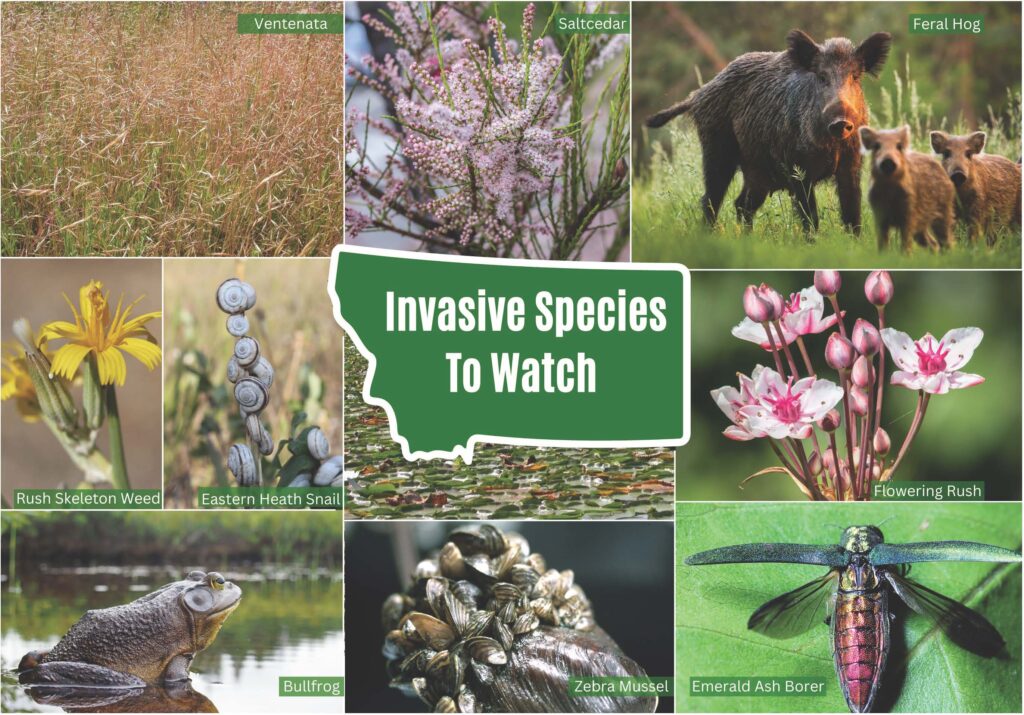
Wood‑boring insects such as emerald ash borer have caused billions of dollars in timber loss and municipal expenses in North America. When populations stabilize at lower densities, annual repair costs may drop, but legacy damage to forests often persists for decades.
Regional Differences
Temperate North America has documented several plant invaders that plateau after initial explosions, partly because colder winters limit seed viability. In contrast, tropical islands experience persistent invasions due to year‑round warm conditions that sustain rapid growth and limit natural enemies. The Mediterranean basin illustrates climate‑driven modulation: drying trends have curtailed the spread of invasive cane reed (*Arundo donax*) in some upland sites, while wetter micro‑habitats still support its expansion.
What Scientists Know With High Confidence
What Scientists Know With High Confidence
- Invasiveness is defined by measurable ecological or economic harm, not merely by non‑native status.
- Evolutionary change in both invaders and native species can alter impact over decadal timescales.
- Climate and land‑use change are primary determinants of long‑term invasion trajectories.
- Effective, sustained management can reduce impact, though complete eradication is rare.
What Remains Uncertain
What Remains Uncertain
Key gaps include how often evolutionary adaptation leads to reduced impact, the frequency with which invaders become functionally neutral, and how future climate scenarios will interact with existing invasions. Long‑term, multisite experiments are needed to separate cause from correlation and to improve predictive models.
Common Misconceptions
Common Misconceptions
Misconception: All invasive species eventually become harmless.
Reality: While some invaders decline or integrate, the majority continue to cause damage for decades or longer; outcomes are highly species‑ and context‑specific.
Misconception: Longevity alone means a species is no longer invasive.
Reality: Duration does not define invasiveness; ongoing impact must be assessed continuously.
Misconception: Human management always eliminates invasive species.
Reality: Eradication is rare; most management aims to suppress impact rather than achieve total removal.
Solutions and Limitations
Effective responses combine prevention, early detection, and targeted control. Each strategy carries trade‑offs.
Prevention
Strict biosecurity protocols reduce introduction risk, but enforcement can be costly and politically challenging.
Early Detection & Rapid Response (EDRR)
Monitoring networks can catch incursions before they spread; however, funding gaps and uneven geographic coverage limit effectiveness.
Biological Control
Introducing natural enemies can lower invader abundance, yet rigorous risk assessment is essential to avoid non‑target effects.
Habitat Restoration
Restoring native vegetation increases ecosystem resistance, but restoration success varies with site conditions and may unintentionally favor other invaders if not carefully planned.
Adaptive Management
Ongoing monitoring allows managers to adjust tactics as invader dynamics change, but requires long‑term commitment of resources and institutional support.
What Individuals, Communities, and Governments Can Do
What Individuals Can Do
- Avoid planting known invasive ornamentals; choose native or non‑invasive alternatives.
- Report sightings of new invasive populations to local extension services or invasive‑species hotlines.
- Participate in citizen‑science programs that track invasive spread.
What Communities and Organizations Can Do
- Form rapid‑response teams equipped with training and resources for early eradication attempts.
- Adopt local ordinances that restrict sale and transport of high‑risk species.
- Support native‑plant restoration projects that enhance ecosystem resilience.
What Governments Can Do
- Fund national biosecurity inspections and maintain up‑to‑date invasive‑species lists.
- Invest in long‑term monitoring networks and open data platforms.
- Integrate invasive‑species considerations into climate‑adaptation, land‑use, and agricultural policies.
Closing Synthesis
Invasive species are defined by the harm they cause, and while some can lose that harm through evolution, environmental change, or sustained management, the transition is the exception rather than the rule. High‑confidence science confirms that impact depends on ecological context and that targeted, long‑term management can mitigate damage. Uncertainties remain about how climate change will reshape invasion dynamics and how often invaders become functionally neutral. Effective action therefore blends prevention, early detection, adaptive control, and restoration, with responsibilities shared across individuals, communities, and governments.
Frequently Asked Questions
What defines an invasive species?
An invasive species is a non‑native organism that spreads rapidly and causes measurable ecological, economic, or health harm in its introduced range.
Can invaders evolve to become less harmful?
Yes, both invaders and native species can undergo evolutionary changes over generations that may reduce competitive ability, growth rate, or other traits that drive impact, though the speed and extent of such adaptation vary widely.
How does climate change affect invasive species trajectories?
Climate change can alter temperature and precipitation patterns, making some habitats less suitable for an invader and causing declines, while simultaneously expanding suitable areas for other invaders, potentially reinforcing their impact.
What management approach has the highest chance of reducing invasive impact?
A combination of early detection, rapid response, and sustained control (mechanical, chemical, or biological) paired with native habitat restoration offers the best chance of suppressing impact, though complete eradication is rare.
Are there regions where invasive species are more likely to become integrated?
Temperate regions with strong seasonal constraints sometimes see invasive plants plateau after initial explosions, whereas tropical islands with year‑round warmth often experience persistent invasions, making integration less common.





Leave a Comment