
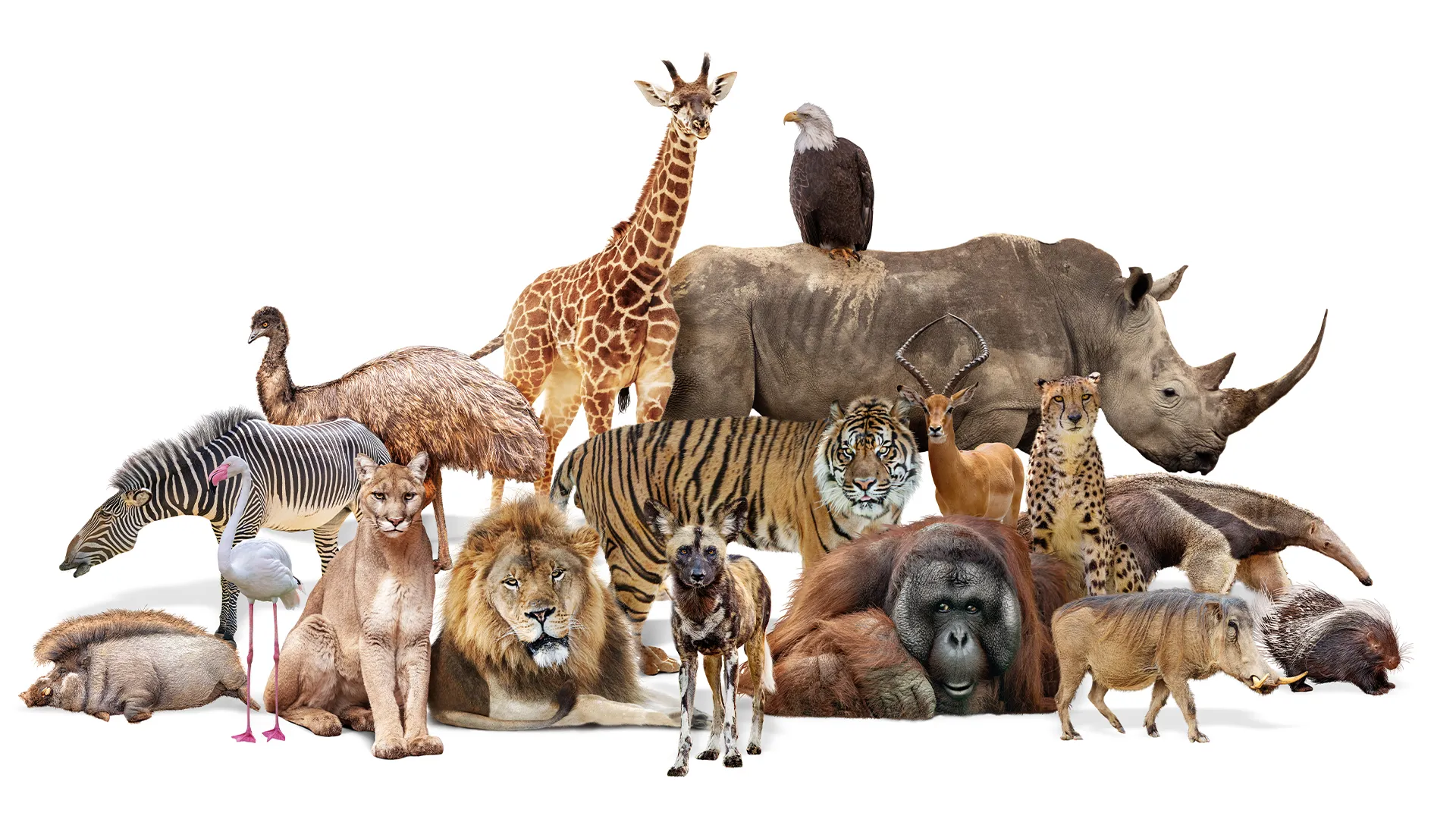
Rare conservation success stories demonstrate how focused science, habitat restoration, and community partnership can pull species back from the brink of extinction, offering hope for biodiversity worldwide.
Quick Answer
Animals saved from extinction are species that have moved from critically endangered or extinct‑in‑the‑wild status to self‑sustaining wild populations through coordinated actions such as captive breeding, habitat protection, and reintroduction. The process works by first stabilizing a genetically viable founder group, then addressing the ecological causes of decline (e.g., habitat loss, disease, poaching) before releasing individuals into secure, managed habitats. Evidence from multiple IUCN assessments shows that these interventions can increase population numbers by an order of magnitude, but success depends on long‑term monitoring and adaptive management, and uncertainty remains around climate‑driven habitat changes.
Key Takeaways
- Captive‑breeding programs combined with habitat restoration have rescued dozens of species worldwide.
- Addressing the root causes of decline—such as lead poisoning, disease, and land‑use change—is essential for lasting recovery.
- Long‑term monitoring by governments and NGOs provides the strongest evidence of population rebounds.
- Successes are species‑specific; what works for a bird may not work for a mammal.
- Future uncertainty includes climate impacts on restored habitats and genetic diversity limits.
What Is Animals Saved From Extinction: Rare Conservation Success Stories?
The phrase refers to documented cases where a species once classified as critically endangered or extinct in the wild has re‑established a viable, reproducing population in its natural range. These stories differ from short‑term rescue operations because they involve sustained, science‑based programs that address both biological and ecological factors. The scope includes vertebrates (birds, mammals, reptiles) and, in some assessments, select invertebrates where recovery actions have been recorded.
How Does It Work?
1. Identify a Viable Founder Population
Scientists locate the smallest remaining wild individuals or capture the last captive specimens. Genetic analyses, often published by the International Union for Conservation of Nature (IUCN), ensure that the founders retain enough genetic diversity to avoid inbreeding depression.
2. Captive Breeding and Genetic Management
Specialized breeding facilities—such as the San Diego Zoo Wildlife Alliance for the California condor—use pedigree software to maximize heterozygosity. Over several generations, the population can increase from a handful to hundreds of individuals.
3. Habitat Protection and Restoration
Parallel to breeding, conservationists secure and restore critical habitat. This may involve removing lead ammunition from condor foraging areas, re‑planting native vegetation for the golden‑lion tamarin, or establishing predator‑free islands for the black‑footed ferret.
4. Reintroduction and Post‑Release Monitoring
Young adults are gradually released into protected release sites. Radio‑telemetry and camera traps, as recommended by the U.S. Fish and Wildlife Service, track survival, reproduction, and movement patterns for at least five years.
5. Community Engagement and Policy Support
Successful programs embed local stakeholders—ranchers, Indigenous groups, tourism operators—through education, economic incentives, and legal protections. For example, community‑based anti‑poaching patrols have been crucial for the Arabian oryx in Saudi Arabia.
What Does the Evidence Show?
Long‑term monitoring data compiled by the IUCN Red List and national wildlife agencies indicate that at least 15 species have moved from “Critically Endangered” or “Extinct in the Wild” to “Vulnerable” or better status over the past four decades. The California condor population grew from 27 individuals in 1987 to over 500 by 2022, a trend confirmed by annual census reports from the U.S. Fish and Wildlife Service. Similarly, the black‑footed ferret, once thought extinct, now numbers more than 1,000 individuals across reintroduced sites, as documented in a 2020 peer‑reviewed review in *Conservation Biology*.
Main Causes or Drivers
Direct Causes
- Lead poisoning from spent ammunition (California condor).
- Habitat fragmentation due to agriculture and urban expansion (golden‑lion tamarin).
- Disease transmission affecting prey species (black‑footed ferret).
Underlying Drivers
- Historical over‑hunting and market demand for skins or meat.
- Insufficient legal protection and weak enforcement.
- Climate‑induced changes that alter food availability and breeding sites.
Environmental and Human Impacts
Environmental Impacts
Recovering keystone or umbrella species can restore ecological functions. The re‑established European bison promotes forest regeneration through seed dispersal, while the Arabian oryx helps maintain desert plant diversity by selective grazing.
Human Health and Social Impacts
Many recovery programs generate eco‑tourism revenue, supporting rural livelihoods. In the case of the Siberian crane, community‑based wetland protection has improved water quality for downstream agricultural users.
Economic and Infrastructure Impacts
Investments in protected areas and monitoring infrastructure create jobs in wildlife management, research, and park services, offsetting some costs of conservation.
Regional Differences
Successes in North America (California condor, black‑footed ferret) often rely on extensive federal funding and well‑established breeding facilities. In contrast, African and Middle‑Eastern recoveries (Arabian oryx, African wild dog) depend more heavily on transboundary cooperation and community‑based stewardship. Tropical regions, such as Brazil’s Atlantic forest, face higher habitat fragmentation rates, requiring corridor creation as a central component of recovery.
What Scientists Know With High Confidence
- Genetic management in captive breeding reduces inbreeding depression and improves post‑release survival.
- Habitat protection is a prerequisite for long‑term population stability.
- Multi‑stakeholder governance—combining government, NGOs, and local communities—enhances compliance and reduces poaching.
What Remains Uncertain
Key uncertainties include how climate change will reshape suitable habitats for reintroduced species, the long‑term genetic health of small founder populations, and the socioeconomic durability of community‑based funding mechanisms. Ongoing research using climate‑envelope modeling and genome sequencing aims to reduce these gaps.
Common Misconceptions
Misconception: “If a species can be bred in captivity, it will thrive in the wild.”
Reality: Captive breeding alone does not guarantee wild success; habitat quality, predator presence, and human conflict must also be addressed.
Misconception: “Conservation success means the problem is solved.”
Reality: Recoveries are often fragile; continued monitoring and adaptive management are required to prevent relapse.
Misconception: “Only charismatic megafauna receive conservation help.”
Reality: While high‑profile species attract funding, many lesser‑known taxa (e.g., certain amphibians) have also benefited from targeted recovery plans, as shown in recent IUCN case studies.
Solutions and Limitations
Effective solutions combine prevention (e.g., banning lead ammunition), mitigation (habitat restoration), and restoration (reintroduction). Limitations include high financial costs, the need for long‑term political commitment, and potential ecological trade‑offs such as increased human‑wildlife conflict when predators return.
What Individuals, Communities, and Governments Can Do
What Individuals Can Do
- Support certified wildlife‑friendly products that reduce habitat loss.
- Donate to reputable conservation organizations that fund breeding and reintroduction programs.
- Participate in citizen‑science monitoring apps for local species.
What Communities and Organizations Can Do
- Develop ecotourism initiatives that provide economic incentives for protecting habitats.
- Implement local education campaigns about the dangers of lead ammunition and illegal trade.
- Partner with research institutions to host breeding facilities or monitoring stations.
What Governments Can Do
- Enact and enforce bans on hazardous substances that threaten target species.
- Allocate stable funding for long‑term monitoring and habitat corridors.
- Facilitate transboundary agreements for migratory species such as the Siberian crane.
Closing Synthesis
Rare conservation success stories illustrate that, with coordinated science, habitat stewardship, and community involvement, species can rebound from the edge of extinction. High‑confidence evidence confirms the importance of genetic management and protected habitats, while uncertainties around climate impacts and funding sustainability highlight areas for future research. By scaling proven strategies and addressing their limitations, societies can expand the list of species that move from the brink to thriving, reinforcing the resilience of global biodiversity.
Frequently Asked Questions
What defines a successful animal recovery from extinction?
A successful recovery occurs when a species classified as critically endangered or extinct in the wild establishes a self‑sustaining, reproducing population in its natural habitat, confirmed by long‑term monitoring.
Which conservation methods have the strongest evidence of success?
Captive breeding combined with habitat protection and targeted reintroduction has the strongest evidence, as shown by population rebounds in the California condor and black‑footed ferret.
What are the main threats that need to be addressed for recovery?
Key threats include lead poisoning, habitat loss, disease affecting prey species, and illegal hunting; addressing these directly improves chances of long‑term survival.
How can local communities contribute to species recovery?
Communities can create eco‑tourism, run education programs on safe hunting practices, and partner with NGOs to monitor wildlife, providing both economic and stewardship benefits.
What uncertainties remain about future species recoveries?
Uncertainties involve climate‑driven habitat changes, maintaining genetic diversity in small populations, and the durability of funding and community support over decades.









Leave a Comment