
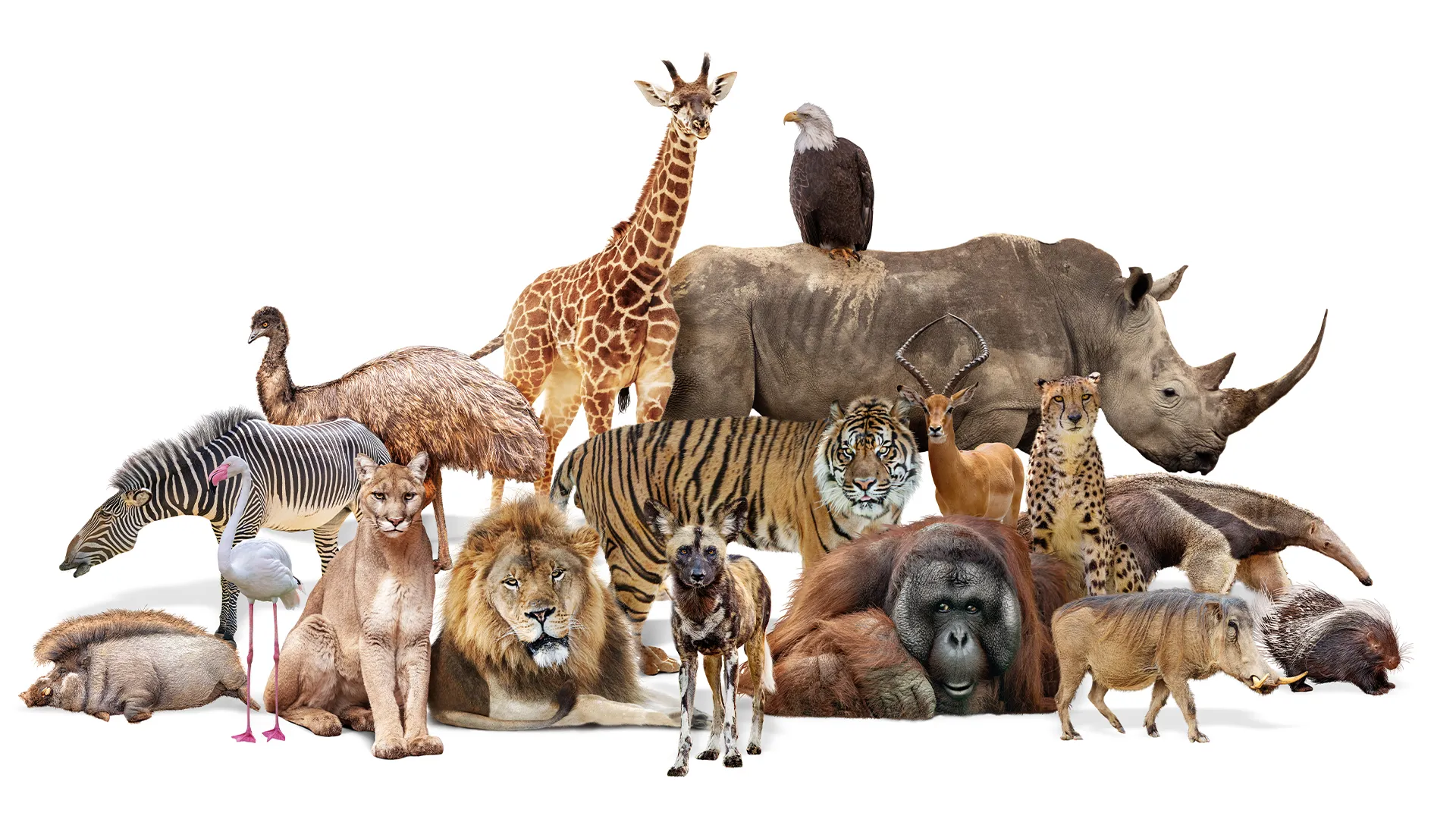
A handful of wildlife species have been officially removed from the endangered list after sustained population gains, illustrating how targeted policy, habitat restoration, and science‑based management can reverse severe declines.
Quick Answer
Animals are removed from the endangered list when rigorous assessments—most often by the International Union for Conservation of Nature (IUCN) or national agencies—show that the species no longer meets the quantitative thresholds for threatened status. Recovery typically follows a combination of legal protection, habitat improvement, and, where needed, captive‑breeding or reintroduction programmes. While delisting signals a positive trend, ongoing monitoring is essential because many recovered species remain vulnerable to new threats such as climate change.
Key Takeaways
- Delisting reflects measurable improvements in population size, distribution, and threat reduction.
- Strong legislation (e.g., the U.S. Endangered Species Act) and international agreements (e.g., CITES) are common drivers of recovery.
- Habitat protection, restoration, and targeted breeding programmes have been decisive for most success stories.
- Even after delisting, species require long‑term monitoring to guard against emerging risks.
- Lessons from recovered species guide future conservation planning for still‑threatened wildlife.
What Is Which Animals Are No Longer on the Endangered Species List—and Why?
The phrase refers to any wildlife species that have been officially re‑classified from a threatened category (e.g., Endangered or Threatened) to a lower‑risk category such as “Least Concern” or “Near Threatened.” The assessment process evaluates criteria like population trend, geographic range, and the severity of threats. When a species meets the thresholds for a lower risk level across its global range, it is “delisted.” This does not imply the species is free of all threats; rather, it indicates that extinction risk has dropped below the critical level defined by the assessing authority.
How Does It Work?
Step 1 – Baseline Assessment
Scientists compile long‑term monitoring data, genetic studies, and field surveys to estimate current abundance and distribution. The IUCN Red List criteria (Version 3.1) provide quantitative cut‑offs for each threat category.
Step 2 – Threat Mitigation
Legal protections (e.g., hunting bans), pollution controls, and habitat safeguards reduce direct mortality and degradation. In many cases, these measures are enforced through national legislation or international treaties.
Step 3 – Habitat Management
Restoration projects rebuild wetlands, reforest watersheds, or protect nesting beaches, thereby expanding the area where the species can thrive. Successful habitat management often involves collaboration with landowners and Indigenous communities.
Step 4 – Population Augmentation
When wild numbers are too low for natural recovery, captive‑breeding or head‑starting programmes release juveniles into suitable habitats. Genetic management ensures diversity is maintained.
Step 5 – Re‑assessment and Delisting
After a period of stable or increasing trends—typically five years or more—conservation agencies submit a formal re‑assessment. If the data meet the lower‑risk criteria, the species is removed from the endangered list.
What Does the Evidence Show?
Long‑term monitoring by government agencies and NGOs provides the strongest evidence for delisting. For example, the U.S. Fish and Wildlife Service reported that the American alligator population grew from an estimated 2,000 individuals in the early 1960s to over 5 million by 2020, supported by hunting bans enacted in 1967 (USFWS, 2021). Similarly, the International Whaling Commission documented a rise in gray‑whale numbers from fewer than 12,000 in the 1970s to over 27,000 in 2022 after the 1986 commercial‑whaling moratorium (IWC, 2023). Peer‑reviewed meta‑analyses confirm that species protected by the Endangered Species Act show a median population increase of 56 % within a decade of listing (Ferraro & Pattanayak, 2020). These converging lines of data—field counts, genetic health assessments, and demographic modelling—support the conclusion that targeted conservation can move species out of the endangered category.
Main Causes or Drivers
Direct Causes Addressed
- Overharvest: Hunting bans and regulated quotas eliminated lethal pressure on species such as the American alligator.
- Habitat loss: Designation of protected areas and wetland restoration reversed the loss of breeding sites for the gray whale and the bald eagle.
- Pollution: Ban on DDT in the 1970s reduced reproductive failure in raptors, leading to bald‑eagle recovery.
Underlying Drivers
- Economic incentives: Shifts from commercial exploitation to ecotourism provided alternative livelihoods.
- Scientific knowledge: Improved population modelling guided adaptive management.
- Public awareness: Media campaigns increased political will for protective legislation.
Environmental and Human Impacts
Environmental Impacts
Recovered apex predators such as the bald eagle restore top‑down control in ecosystems, enhancing biodiversity and stabilising food webs. Recovered marine mammals contribute to nutrient cycling; gray‑whale feeding stimulates upwelling that benefits plankton and fish stocks.
Human Health and Social Impacts
Healthy ecosystems provide services that support human well‑being: clean water from protected wetlands, cultural identity tied to iconic species, and tourism revenue. For Indigenous communities, species like the bald eagle hold ceremonial importance, and their recovery strengthens cultural continuity.
Regional Differences
Delisting patterns vary by continent. In North America, strong federal statutes and extensive monitoring networks have enabled the removal of several birds and reptiles. In contrast, South‑American delistings are fewer, often limited by fragmented data and weaker enforcement of protected‑area regulations. In the Pacific, marine species such as the gray whale benefit from multinational moratoria, whereas coastal nations with limited resources may struggle to implement similar measures.
What Scientists Know With High Confidence
What Scientists Know With High Confidence
- Legal protection reduces direct mortality when enforcement is effective.
- Habitat restoration improves breeding success for most vertebrates.
- Captive‑breeding programs can increase wild population numbers when genetic diversity is managed.
- Long‑term monitoring is essential to verify recovery and guide delisting decisions.
What Remains Uncertain
What Remains Uncertain
Future climate change may alter the suitability of restored habitats, potentially undoing gains for species such as the gray whale whose migration routes depend on sea‑ice extent. Additionally, the genetic health of populations rebuilt from small founder groups remains a research gap; some studies suggest inbreeding depression could emerge over decades, but long‑term data are limited.
Common Misconceptions
Common Misconceptions
Misconception: Delisting means a species is no longer at risk.
Reality: Most delisted species still face localized threats. Ongoing monitoring is required to prevent a return to higher‑risk categories.
Misconception: Recovery happens automatically once a law is passed.
Reality: Effective recovery needs enforcement, funding, and adaptive management; legislation alone is insufficient.
Misconception: Only charismatic megafauna can be saved.
Reality: Lesser‑known species such as the American alligator or certain freshwater fish have also been successfully delisted, showing that targeted actions work across taxa.
Solutions and Limitations
Key strategies include:
- Protected‑area expansion: Provides safe breeding grounds but may conflict with land‑use interests.
- Regulatory bans on harmful substances: Effective for species affected by pollutants, yet enforcement can be uneven.
- Captive‑breeding and reintroduction: Can boost numbers quickly, but high costs and genetic risks limit scalability.
- Community‑based stewardship: Engages local people and respects traditional knowledge, though success depends on sustained funding.
Each solution must be tailored to the species’ ecology and the socio‑economic context; no single approach guarantees success.
What Individuals, Communities, and Governments Can Do
What Individuals Can Do
- Support organizations that fund habitat restoration projects.
- Choose sustainably sourced products that reduce habitat destruction (e.g., certified timber, seafood).
- Participate in citizen‑science monitoring programmes for local wildlife.
What Communities and Organizations Can Do
- Develop local stewardship plans that integrate traditional ecological knowledge.
- Promote ecotourism models that generate income while protecting critical habitats.
- Advocate for stronger enforcement of existing wildlife protection laws.
What Governments Can Do
- Maintain and fund long‑term population monitoring networks.
- Update and enforce species‑specific recovery plans with clear milestones.
- Invest in habitat connectivity to allow species to adapt to climate shifts.
Closing Synthesis
Delisting demonstrates that coordinated science, policy, and societal action can reverse severe biodiversity loss. High‑confidence evidence shows that legal protection, habitat restoration, and managed breeding are effective levers. Yet uncertainties around climate impacts and genetic health remind us that success is fragile. Ongoing vigilance, adaptive management, and inclusive stewardship are essential to keep these recovered species thriving for generations to come.
Frequently Asked Questions
What does it mean when a species is removed from the endangered list?
Removal, or delisting, means the species no longer meets the quantitative thresholds for threatened status after rigorous assessment, indicating a reduced risk of extinction.
Which animals have been successfully delisted in the United States?
Key examples include the American alligator, the gray whale, and the bald eagle, all of which met recovery criteria after habitat protection, legal bans, and focused management.
What are the main factors that drive the recovery of endangered species?
Recovery typically follows reduced direct threats (like hunting bans), habitat restoration, captive‑breeding or reintroduction, and sustained monitoring to guide adaptive management.
Can delisted species still face threats after removal from the list?
Yes; most delisted species remain vulnerable to localized pressures such as habitat loss, climate change, or pollution, so ongoing protection and monitoring are essential.
How can ordinary citizens contribute to the recovery of threatened wildlife?
People can support habitat‑restoration NGOs, choose sustainably sourced products, and join citizen‑science projects that track wildlife populations.










Leave a Comment