
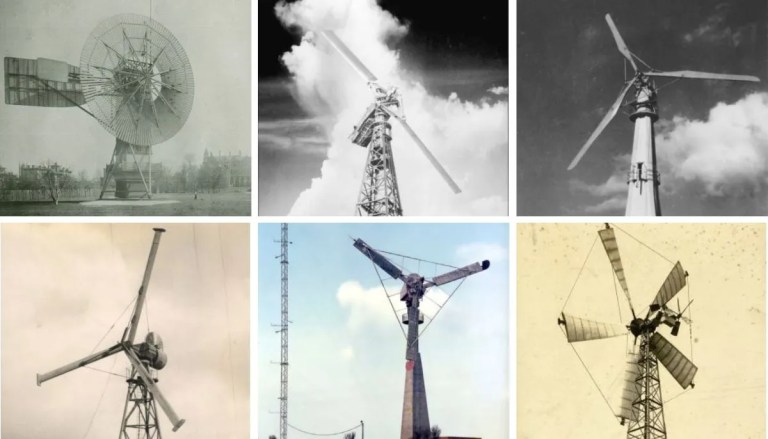
Modern wind turbines generate electricity at a scale and efficiency unimaginable to the wooden windmills of the past, reflecting advances in materials, aerodynamics, control systems, and environmental planning.
Quick Answer
Modern wind turbines are tall, multi‑megawatt generators that convert kinetic wind energy into electricity using aerodynamically shaped blades, sophisticated sensors, and power electronics. Old windmills were low‑rise, wooden structures that performed mechanical work such as grinding grain or pumping water. Evidence from the International Energy Agency (IEA, 2023) shows that a typical 3 MW turbine can produce over 8 GWh per year—roughly 1,000 times the mechanical output of a historic windmill. The main implication is that today’s turbines contribute substantially to low‑carbon electricity grids, while uncertainties remain around wildlife interactions and optimal siting.
Key Takeaways
- Modern turbines are 3–5 times taller than historic windmills, accessing stronger, more consistent winds.
- Blade materials have shifted from wood to composite fibres, increasing efficiency from 45%.
- Digital control systems now optimise yaw and pitch in real‑time, a capability absent in manual windmills.
- Environmental assessments guide turbine placement to reduce bird, bat, and noise impacts.
- Uncertainties persist around long‑term ecosystem effects and recycling of composite blades.
What Is Modern Wind Turbines vs. Old Windmills: What’s Changed?
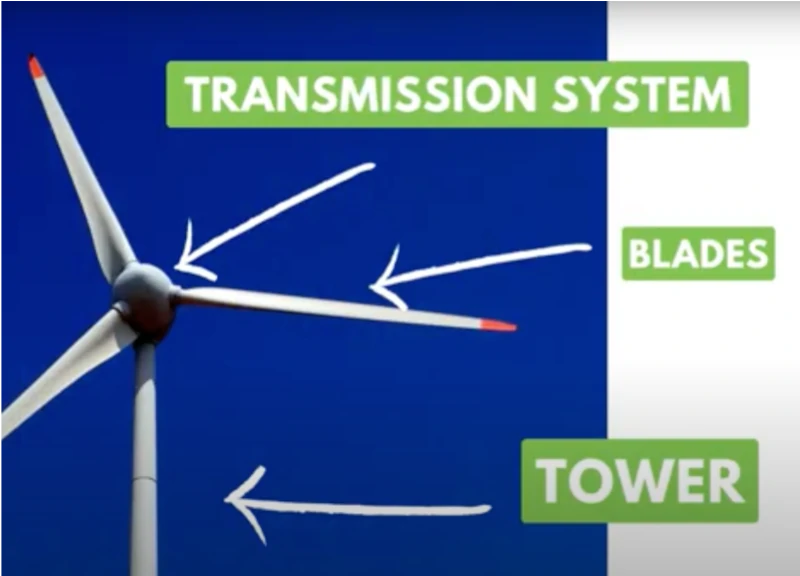
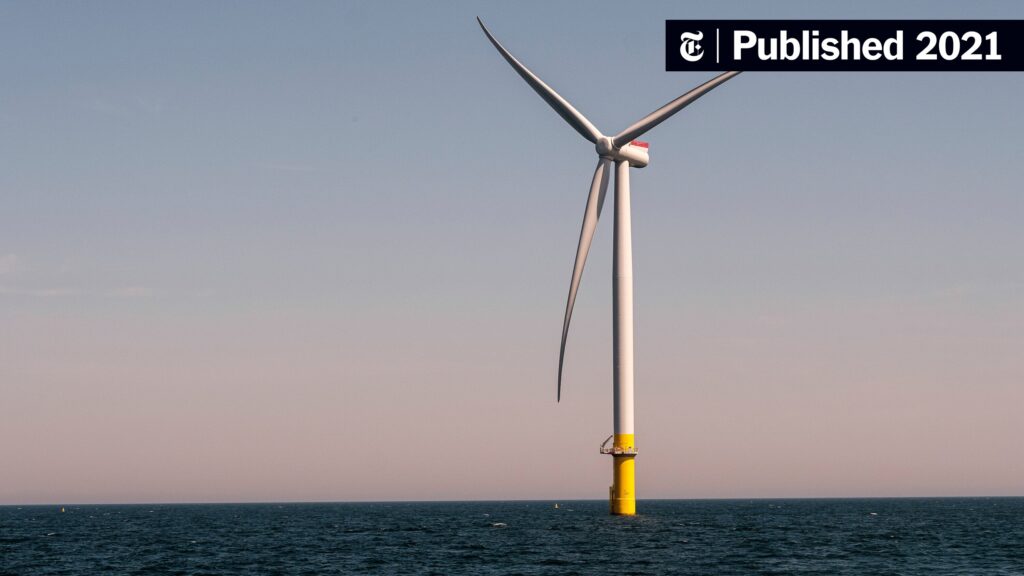
The term contrasts two generations of wind‑harnessing technology. “Old windmills” refers to pre‑industrial structures (often 7th‑19th century) built from timber or stone, with fixed‑angle sails that drove mechanical shafts. “Modern wind turbines” are engineered power generators, typically 80–120 m tall, with three blades made of fiberglass or carbon‑fiber composites, connected to a generator that feeds electricity into the grid. Sub‑categories include on‑shore utility‑scale turbines, offshore turbines, and small‑scale distributed turbines. Understanding the differences matters because it reveals how engineering, material science, and environmental policy have jointly enabled wind to become a cornerstone of the global energy transition.
How Does It Work?
1. Capturing Wind Kinetic Energy
Both windmills and turbines rely on air flowing over a surface to create lift. In a turbine, the blade’s airfoil shape generates a pressure difference that turns a rotor. The International Renewable Energy Agency (IRENA, 2022) notes that blade lengths up to 60 m increase the swept area, allowing more energy capture per wind speed unit.
2. Converting Rotation to Electricity
Modern turbines use a gearbox (or direct‑drive system) to increase rotor speed to levels suitable for an electrical generator. The generator produces alternating current, which power electronics convert to grid‑compatible electricity. Old windmills lacked this step; the rotor directly turned a shaft that powered a millstone or pump.
3. Controlling Power Output
Sensors measure wind speed, direction, and turbine vibration. An automated controller adjusts blade pitch (angle) and yaw (tower rotation) to keep the turbine operating at its optimal tip‑speed ratio. This maximises energy capture while limiting mechanical stress. Historic windmills required a miller to manually re‑orient the sails.
4. Transmitting Energy
Generated electricity travels through transformers and transmission lines to consumers. In contrast, mechanical power from windmills was transmitted locally via gears, belts, or shafts, limiting the geographic reach of the energy.
What Does the Evidence Show?
Long‑term monitoring by national grid operators (e.g., the U.S. Energy Information Administration, 2022) demonstrates that on‑shore turbines operating at 30 % capacity factor deliver reliable baseload power. Systematic reviews of wildlife impacts (e.g., a 2021 meta‑analysis by the European Commission) find that well‑sited turbines cause modest bird mortality, but risk varies with species and migration routes. Comparative studies of historic windmills indicate negligible carbon emissions but also minimal energy contribution—often less than 0.001 % of regional electricity demand.
Main Causes or Drivers
Technological Innovation
Advances in composite materials, computer‑aided design, and power electronics have driven the efficiency leap.
Policy and Market Incentives
Renewable portfolio standards, feed‑in tariffs, and carbon pricing (as reported by the World Bank, 2022) have created economic conditions that favour large‑scale turbine deployment.
Climate Mitigation Goals
The Intergovernmental Panel on Climate Change (IPCC, 2021) identifies wind power as a key sector for limiting global warming to 1.5 °C.
Environmental and Human Impacts
Environmental Impacts
Modern turbines reduce reliance on fossil fuels, cutting CO₂ emissions by up to 3 t per MWh generated (IEA, 2023). Their large footprints can alter local habitats, but environmental impact assessments (EIA) mitigate these effects by avoiding sensitive areas. Old windmills had minimal land disturbance but offered no climate benefit.
Human Health and Social Impacts
Reduced air pollution from displaced coal plants improves respiratory health, especially in densely populated regions (WHO, 2021). Noise and visual concerns persist near some turbines, prompting community‑engagement processes. Historic windmills provided local employment and cultural identity but did not affect public health at scale.
Economic and Infrastructure Impacts
Utility‑scale turbines create construction jobs and long‑term operations employment. Capital costs have fallen from >US$2 million per MW in 2000 to roughly US$1.2 million per MW in 2023 (IEA). Old windmills required modest local labor and low capital, but their economic contribution was limited to agrarian communities.
Regional Differences
In Europe, offshore wind farms benefit from high wind speeds and shallow seas, yielding capacity factors above 50 % (European Wind Energy Association, 2022). In the United States, on‑shore projects dominate the Midwest where wind resources are strong but land‑use conflicts can arise. In arid regions such as parts of Australia, hybrid solar‑wind farms address intermittency while preserving water‑scarce landscapes. These examples illustrate that turbine design, siting criteria, and community acceptance vary with climate, topography, and governance.
What Scientists Know With High Confidence
- Wind turbines convert wind kinetic energy to electricity with efficiencies of 35–45 % under rated conditions.
- Deploying wind power reduces greenhouse‑gas emissions proportional to the fossil fuel displaced.
- Blade aerodynamics modeled as airplane wings markedly increase power capture compared with flat sails.
- Real‑time pitch and yaw control significantly improve capacity factor and turbine lifespan.
What Remains Uncertain
Key gaps include the long‑term cumulative impacts on bat populations in diverse ecosystems, the recycling pathways for composite blade materials, and the social acceptability thresholds that balance visual impact with renewable energy benefits. Ongoing field studies and life‑cycle assessments are expected to reduce these uncertainties over the next decade.
Common Misconceptions
Misconception: Old windmills generated electricity.
Reality: Historic windmills produced mechanical power only; any electricity they generated was through later retrofits, not as part of their original design.
Misconception: Modern turbines are always harmful to wildlife.
Reality: While turbines can cause bird and bat mortality, rigorous siting and mitigation (e.g., curtailment during peak migration) substantially lower risks, as demonstrated in multiple peer‑reviewed studies.
Misconception: Bigger blades automatically mean more environmental damage.
Reality: Larger blades increase energy capture per turbine, often allowing fewer turbines to meet the same power target, which can reduce overall land disturbance.
Solutions and Limitations
Key response strategies include:
- Technology upgrades: Moving from three‑blade to two‑blade designs can cut material use, but may affect stability and public acceptance.
- Site optimisation: High‑resolution wind‑resource mapping improves placement, yet data scarcity in remote regions limits precision.
- Wildlife mitigation: Radar‑guided turbine curtailment reduces bat collisions, but can lower energy output during peak wind periods.
- Material recycling: Emerging processes recover fiberglass fibers, yet commercial scaling remains costly.
Each solution trades off cost, energy yield, and ecological outcomes, requiring balanced decision‑making.
What Individuals, Communities, and Governments Can Do
What Individuals Can Do
Support policies that fund renewable projects, choose electricity tariffs that source from wind, and engage in local planning meetings to advocate for responsible siting.
What Communities and Organizations Can Do
Conduct participatory EIAs, develop community‑owned wind cooperatives, and invest in education programs that demystify turbine technology.
What Governments Can Do
Implement clear permitting frameworks, provide incentives for blade‑recycling facilities, and fund long‑term ecological monitoring to close knowledge gaps.
Synthesis
Modern wind turbines differ from historic windmills in scale, materials, control systems, and their role in decarbonising energy systems. High‑confidence evidence confirms their efficiency and climate benefits, while uncertainties center on wildlife impacts and end‑of‑life management. By combining technological innovation with robust environmental assessment and inclusive governance, societies can maximise the clean‑energy potential of wind while responsibly managing its ecological footprint.
Frequently Asked Questions
How do modern wind turbines generate electricity compared to old windmills?
Modern turbines use aerodynamically shaped blades, a gearbox or direct‑drive system, and electrical generators to convert wind into electricity, whereas old windmills only provided mechanical power for tasks like grinding grain.
What is the typical power output of a modern wind turbine?
A typical on‑shore turbine rated at 3 MW can produce over 8 GWh of electricity per year, which is roughly 1,000 times the mechanical work output of a historic windmill.
Do wind turbines harm birds and bats?
Turbines can cause bird and bat mortality, but careful siting, monitoring, and mitigation measures such as curtailment during migration periods have been shown to substantially reduce these impacts.
Why are modern turbines taller than old windmills?
Higher towers (80–120 m) reach stronger, more consistent wind layers, allowing turbines to capture more energy per unit of wind speed than the low‑rise windmills that rarely exceeded 25 m.
What actions can communities take to support responsible wind development?
Communities can participate in environmental impact assessments, support community‑owned wind projects, and work with local officials to ensure turbines are sited to minimize ecological and visual impacts.




Leave a Comment