
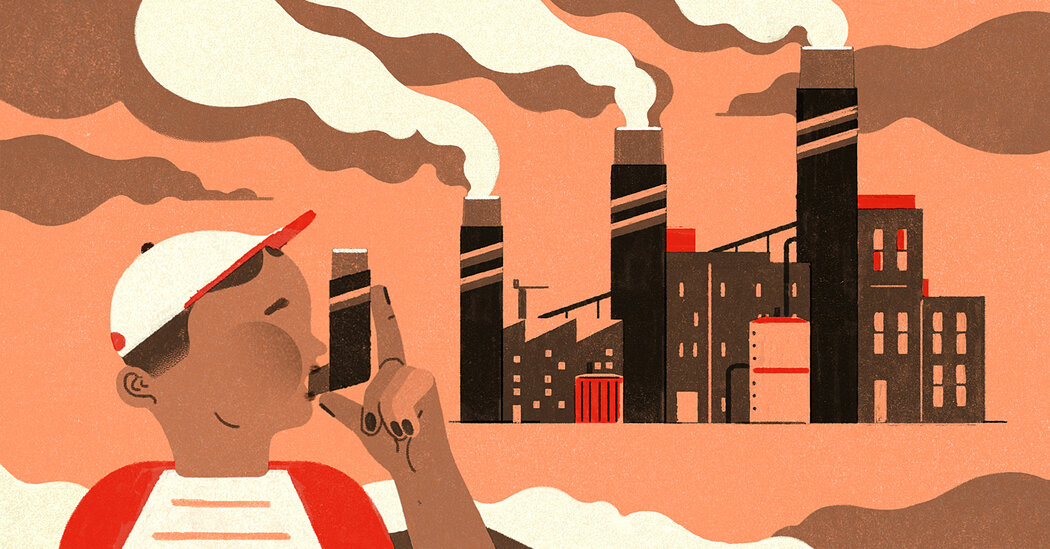
Climate change is the long‑term shift in Earth’s climate system driven by human‑generated greenhouse gases, and it alters temperature, precipitation, sea level and extreme‑event patterns that directly affect human health, water, food, economies and ecosystems.
Quick Answer
Climate change refers to sustained alterations in global and regional climate patterns caused primarily by the accumulation of carbon dioxide, methane and nitrous oxide from fossil‑fuel combustion, agriculture and land‑use change. These gases trap infrared radiation, creating a radiative imbalance that raises surface temperatures, reshapes precipitation, lifts sea level and increases the frequency of extreme weather. The most widely documented human impact is heightened heat‑related illness, reduced food and water security, and expanded exposure to climate‑sensitive diseases, though the exact magnitude of future impacts depends on emissions pathways and adaptive capacity.
Key Takeaways
- Climate change is a measurable, long‑term shift in temperature and weather driven largely by anthropogenic greenhouse‑gas emissions.
- Multiple lines of evidence—including instrumental records, satellite data and paleoclimate reconstructions—show a global average surface temperature rise of about 1.1 °C since the pre‑industrial era (1850‑1900).
- Human health effects include heat stress, poorer air quality, expanded vector‑borne diseases and mental‑health impacts from extreme events.
- Impacts vary by region: low‑lying coasts face sea‑level rise, arid zones experience intensified drought, and high latitudes see longer growing seasons but also permafrost thaw.
- Both mitigation (reducing emissions) and adaptation (building resilience) are required, each with specific limits and trade‑offs.
What Is Climate Change and How Does It Affect People?
Climate change describes the persistent alteration of Earth’s climate system—its atmosphere, oceans, land surface and cryosphere—over decades to centuries. It is distinguished from short‑term weather variability by focusing on shifts in statistical averages such as mean temperature, precipitation patterns and storm intensity. The term is separate from natural climate variability (e.g., volcanic eruptions, solar cycles) and from isolated weather events. Understanding climate change matters because the climate underpins the natural resources, ecosystem services and physical conditions that societies depend on for food, water, health and shelter.
How Does It Work?
1. Greenhouse‑gas emissions increase atmospheric heat retention
Burning coal, oil and gas releases carbon dioxide (CO₂); livestock and rice paddies emit methane (CH₄); and synthetic fertilizers release nitrous oxide (N₂O). These gases absorb outgoing infrared radiation and re‑emit it toward the surface, creating a greenhouse effect that slows planetary cooling.
2. Radiative imbalance drives global warming
The Intergovernmental Panel on Climate Change (IPCC) reports a net positive radiative forcing of roughly 2.3 watts per square metre relative to pre‑industrial levels, raising surface temperatures and, consequently, ocean heat content, ice melt and atmospheric circulation.
3. Feedback loops amplify or dampen change
Warming triggers feedbacks such as: (a) loss of reflective Arctic sea ice, which increases solar absorption; (b) thawing permafrost that releases additional CH₄ and CO₂; and (c) reduced solubility of CO₂ in warmer oceans, weakening a natural carbon sink. These feedbacks are supported by observations and model simulations, though their exact magnitude remains an active research area.
4. Different components respond on different timescales
The atmosphere adjusts within years to decades, while the ocean and ice sheets can continue to respond for centuries, meaning today’s emissions affect climate for many generations.
What Does the Evidence Show?
Multiple independent data streams converge on the same conclusion: the planet is warming and human activity is the dominant driver.
- Instrumental records: Global mean surface temperature rose by 1.09 °C (±0.11 °C) between 1880 and 2022 (NASA GISS, 2023).
- Satellite observations: Tropospheric temperature trends corroborate surface records (NOAA, 2022).
- Paleoclimate reconstructions: Ice‑core and tree‑ring data show that recent warming exceeds natural variability of the past 2,000 years (IPCC, 2021).
- Attribution studies: Detection‑and‑attribution analyses attribute more than 95 % of observed warming since 1950 to anthropogenic greenhouse gases (IPCC, 2021).
These findings are classified as strong evidence because they rely on long‑term, globally consistent measurements reproduced by independent research groups.
Main Causes or Drivers
Direct causes
Fossil‑fuel combustion for electricity, transport and industry accounts for roughly 73 % of global CO₂ emissions (International Energy Agency, 2023). Agriculture contributes about 14 % of total greenhouse‑gas emissions, mainly as CH₄ from ruminants and rice paddies and N₂O from synthetic fertilizers.
Underlying drivers
Economic growth, urbanisation and population increase drive energy demand, while policy frameworks, energy subsidies and market structures influence the speed of transition to low‑carbon technologies.
Amplifying factors
Deforestation reduces carbon uptake, and land‑use change alters surface albedo and evapotranspiration, further influencing regional climate patterns.
Environmental and Human Impacts
Environmental Impacts
- Sea level has risen at an average rate of 3.4 mm yr⁻¹ since 1993, threatening coastal ecosystems and low‑lying islands.
- Ocean acidity has increased, with a mean pH drop of 0.1 since the pre‑industrial era, endangering coral reefs and shell‑forming organisms.
- Biomes are shifting poleward; temperate forests move north, while boreal regions experience more frequent wildfires.
Human Health and Social Impacts
- Heat stress: The World Health Organization estimates each additional degree Celsius of average temperature can raise heat‑wave mortality by 2‑4 %.
- Air quality: Higher temperatures boost ground‑level ozone formation, aggravating asthma and chronic obstructive pulmonary disease.
- Vector‑borne diseases: Expanding ranges of Aedes mosquitoes link climate variability to increased dengue and Zika incidence in subtropical regions.
- Mental health: Communities displaced by floods or wildfires exhibit higher rates of anxiety, depression and post‑traumatic stress disorder.
Economic and Infrastructure Impacts
- Heat‑related labor productivity losses are estimated at US$2.4 trillion annually in high‑temperature regions (World Bank, 2022).
- Extreme‑weather damage reached roughly US$210 billion in 2021, straining public budgets.
- Staple‑crop yields for wheat and maize may decline by 6‑10 % in tropical regions under high‑emissions scenarios (FAO, 2021).
Regional Differences
Impact patterns are not uniform. In South Asia, monsoon variability combined with rising temperatures intensifies flood risk and water scarcity. Sub‑Saharan Africa faces more frequent and severe droughts, threatening rain‑fed agriculture. Small island developing states confront sea‑level rise that could submerge entire communities. Conversely, higher latitudes may experience longer growing seasons but also permafrost thaw and increased wildfire activity. These examples illustrate how geography, socioeconomic development and adaptive capacity shape exposure and vulnerability.
What Scientists Know With High Confidence
- The Earth’s climate system is warming, and human greenhouse‑gas emissions are the dominant cause.
- Global average sea level is rising due to thermal expansion and ice‑sheet melt.
- Extreme heat events, heavy precipitation and marine heatwaves are becoming more frequent.
- Reducing CO₂ emissions can limit the magnitude of future warming.
What Remains Uncertain
Key uncertainties involve the strength of feedbacks such as permafrost carbon release, the precise regional response of precipitation, and future socioeconomic pathways that determine emissions. These gaps affect the range of projected temperature rise but do not overturn the central conclusion that continued high emissions will increase climate‑related risks.
Common Misconceptions
Misconception: Climate change is only about hotter summers.
Reality: It also includes shifts in precipitation, sea‑level rise, ocean acidification and changes in the frequency of extreme weather events, all of which affect ecosystems and societies.
Misconception: Individual lifestyle changes alone can solve climate change.
Reality: Personal actions can reduce demand, but systemic changes in energy production, land use and policy are essential to achieve the emission reductions needed for global stability.
Misconception: Climate has always changed, so current changes are natural.
Reality: While natural variability exists, the rapid rate of warming since the mid‑20th century exceeds any known natural cycle and aligns with the rise in anthropogenic greenhouse gases.
Solutions and Limitations
Effective responses fall into mitigation (addressing the cause) and adaptation (reducing vulnerability).
- Renewable‑energy transition: Solar and wind now provide about 30 % of new electricity capacity globally (IEA, 2023). Limitation: Intermittency requires storage and grid upgrades.
- Energy efficiency: Upgrading building insulation can cut space‑heating demand by 20‑30 % in temperate climates. Limitation: Up‑front costs and uneven policy incentives.
- Reforestation and afforestation: Restoring 350 million hectares could sequester up to 1 Gt CO₂ yr⁻¹. Limitation: Competition for land, permanence concerns and biodiversity trade‑offs.
- Adaptation infrastructure: Elevated flood defenses, heat‑resilient housing and drought‑tolerant crops reduce exposure. Limitation: High capital investment and ongoing maintenance.
- Carbon‑pricing mechanisms: Carbon taxes or cap‑and‑trade schemes internalise climate costs, encouraging low‑carbon choices. Limitation: Political feasibility and equity considerations.
What Individuals, Communities, and Governments Can Do
What Individuals Can Do
- Shift travel habits: use public transit, bike or walk for short trips.
- Reduce embodied carbon by choosing lower‑impact foods, especially decreasing red‑meat consumption.
- Improve home energy efficiency: seal leaks, install LED lighting and high‑efficiency appliances.
- Support climate‑positive policies by voting, contacting representatives or joining local advocacy groups.
What Communities and Organizations Can Do
- Develop climate‑action plans that map local hazards, vulnerable populations and adaptation priorities.
- Invest in green infrastructure such as urban trees, permeable pavements and rain gardens to mitigate heat islands and flooding.
- Facilitate bulk renewable‑energy purchases for schools, hospitals and municipal facilities.
What Governments Can Do
- Set ambitious, legally binding net‑zero targets aligned with the IPCC’s 1.5 °C pathway.
- Phase out coal subsidies and implement carbon pricing that reflects social equity.
- Fund research, monitoring networks and early‑warning systems for climate‑related health risks.
- Enforce building codes that require climate‑resilient design in vulnerable regions.
Closing Synthesis
Climate change is a scientifically robust, long‑term shift in Earth’s climate driven primarily by human emissions of greenhouse gases. Strong, converging evidence from instrumental records, satellite data, paleoclimate reconstructions and attribution studies confirms warming, sea‑level rise and increasing extreme events. These physical changes translate into health risks, water and food insecurity, economic losses and displacement, with impacts uneven across regions and populations. While uncertainties remain around feedback strength and regional precipitation, the high‑confidence findings provide a clear basis for action. Rapid mitigation paired with targeted adaptation offers the most effective pathway to safeguard human well‑being and ecosystem integrity. Coordinated effort from individuals, communities, businesses and governments is essential; no single measure alone can resolve the challenge, but collective action can limit future harm and build resilience.
Frequently Asked Questions
What is the scientific definition of climate change?
Climate change is the sustained alteration of Earth’s climate system—including the atmosphere, oceans, land and cryosphere—over decades to centuries, reflected in shifts of average temperature, precipitation patterns and storm intensity.
How do greenhouse gases cause the planet to warm?
Greenhouse gases such as carbon dioxide, methane and nitrous oxide absorb infrared radiation emitted by Earth and re‑radiate it back toward the surface, creating a radiative imbalance that raises global surface temperatures.
What are the most certain impacts of climate change on human health?
Strong evidence shows climate change increases heat‑related illness, worsens air quality through higher ozone levels, expands the geographic range of vector‑borne diseases like dengue, and raises mental‑health risks linked to extreme‑event displacement.
Which regions are expected to face the greatest climate‑related risks?
Low‑lying coastal areas and small island states confront sea‑level rise, South Asia experiences intensified monsoon flooding and water scarcity, while sub‑Saharan Africa is projected to see more severe droughts; high latitudes may see longer growing seasons but also permafrost thaw.
What actions can individuals take that meaningfully reduce climate‑related risks?
Individuals can lower personal emissions by using public transit, reducing red‑meat consumption, improving home energy efficiency, and supporting climate‑positive policies through voting and civic engagement, all of which complement broader systemic changes.









Leave a Comment