

Global warming is the long‑term rise in Earth’s average surface temperature caused by human‑added greenhouse gases that trap extra heat, leading to widespread climate changes, sea‑level rise, and ecosystem disruption.
\n\n
Quick Answer
\n
Global warming refers to the sustained increase in the planet’s average surface temperature driven primarily by the accumulation of carbon dioxide, methane, and nitrous oxide from fossil‑fuel combustion, deforestation, and industrial processes; these gases enhance the natural greenhouse effect, causing more infrared radiation to remain in the climate system, which in turn fuels hotter weather, rising seas, and altered ecosystems, though uncertainties remain about the exact magnitude of regional impacts and the speed of societal response.
\n
\n\n
Key Takeaways
\n
- \n
- Atmospheric CO₂ has risen from about 280 ppm pre‑industrial to over 420 ppm in 2022, a >50 % increase (Mauna Loa Observatory).
- The IPCC reports a global mean temperature increase of roughly 1.1 °C above pre‑industrial levels, already linked to observable changes worldwide.
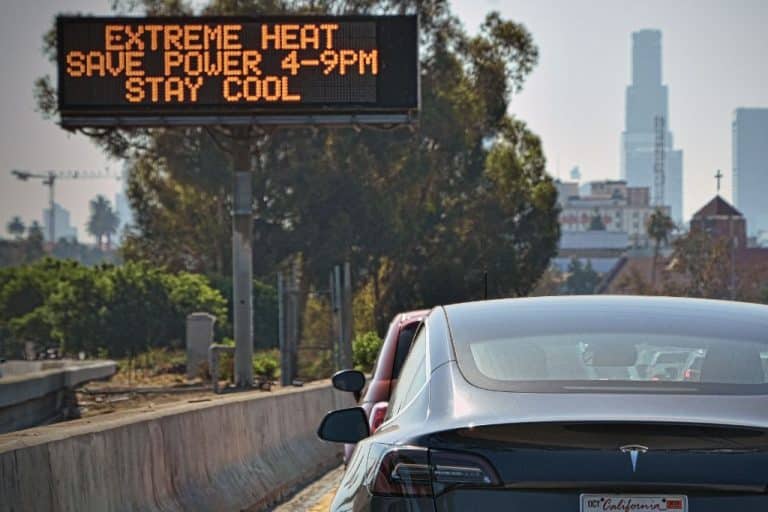
- Major impacts include sea‑level rise, more intense heatwaves, shifting precipitation patterns, and threats to food, water, and health.
- Mitigation (emission cuts) and adaptation (resilience building) are both essential, yet each faces technical, economic, and equity challenges.
- Key uncertainties involve climate sensitivity, regional extreme‑event projections, and the pace of global decarbonisation.
\n
\n
\n
\n
\n
\n
\n\n
What Is How to Explain Global Warming in Just One Paragraph?
\n
The phrase “how to explain global warming in just one paragraph” describes the challenge of summarising a complex, multi‑disciplinary phenomenon in a concise statement that captures the core mechanism—human‑driven greenhouse‑gas accumulation—and its principal consequences for climate, ecosystems, and society. It differs from a full‑length definition by focusing on brevity while retaining scientific accuracy, making it useful for education, media, and public outreach.
\n\n
How Does It Work?
\n
1. Solar radiation reaches Earth
\n
Short‑wave sunlight passes through the atmosphere and is absorbed by land, oceans, and vegetation, warming the surface.
\n
2. Earth emits infrared radiation
\n
Warm surfaces re‑radiate energy as long‑wave infrared photons toward space.
\n
3. Greenhouse gases absorb infrared
\n
Molecules of CO₂, CH₄, and N₂O absorb a portion of this infrared radiation and re‑emit it in all directions, sending some heat back toward the surface—a natural process known as the greenhouse effect.
\n
4. Human activities amplify the effect
\n
Burning coal, oil, and gas; cement production; and land‑use change add billions of tonnes of greenhouse gases each year, thickening the atmospheric “blanket” and increasing net energy retained by the climate system.
\n
5. Feedback loops intensify warming
\n
- \n
- Melting snow and ice reduce surface albedo, causing more solar absorption.
- Warmer oceans release stored CO₂, adding to atmospheric concentrations.
- Permafrost thaw releases methane, a potent greenhouse gas.
\n
\n
\n
\n
These feedbacks can accelerate warming beyond the direct impact of emissions alone.
\n\n
What Does the Evidence Show?
\n
Multiple, independent lines of evidence converge on the conclusion that the planet is warming because of human activities. Long‑term temperature records from NASA’s GISTEMP and NOAA’s Global Climate Report show a global mean increase of about 1.1 °C since the late 19th century. Atmospheric CO₂ measurements at Mauna Loa demonstrate a rise from 280 ppm pre‑industrial to over 420 ppm in 2022. Satellite observations confirm an energy imbalance—more energy entering than leaving Earth’s system—consistent with greenhouse‑gas forcing. Attribution studies published in peer‑reviewed journals assign >95 % probability that the warming observed since the 1950s is anthropogenic (IPCC AR6, 2021). Together, these data provide strong, corroborated support for the basic explanation.
\n\n
Main Causes or Drivers
\n
Direct Causes
\n
- \n
- Combustion of fossil fuels for electricity, transport, and industry (≈ 73 % of global CO₂ emissions, Global Carbon Project 2022).
- Deforestation and other land‑use changes that release stored carbon and diminish natural uptake.
- Cement production and certain chemical processes that emit CO₂ directly.
\n
\n
\n
\n
Underlying Drivers
\n
- \n
- Growing global population and rising per‑capita energy demand.
- Economic systems that prioritize inexpensive, carbon‑intensive energy sources.
- Policy gaps, such as insufficient carbon pricing, that fail to internalize climate costs.
\n
\n
\n
\n
Amplifying Factors
\n
- \n
- Positive feedbacks from ice‑albedo loss, permafrost methane release, and increased atmospheric water vapour.
- Slow turnover of carbon in oceans and soils, which delays natural removal of CO₂.
\n
\n
\n\n
Environmental and Human Impacts
\n
Environmental Impacts
\n
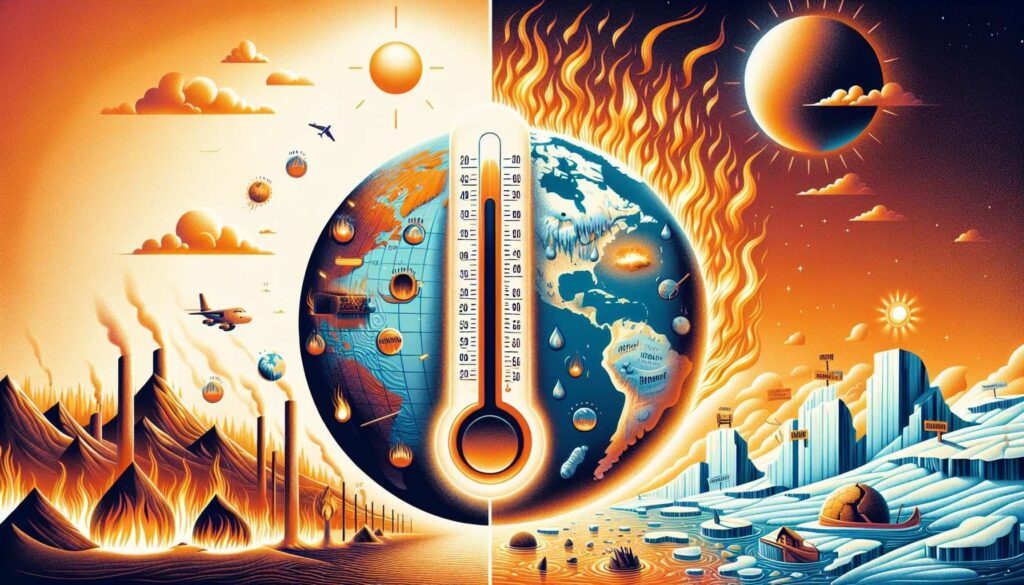
Warming drives sea‑level rise of about 20 cm since 1900, intensifies heatwaves, expands the geographic range of wildfires, and shifts species distributions toward higher latitudes and elevations. Ocean heat content has risen by more than 20 % since the 1960s, contributing to coral bleaching and altered marine food webs.
\n
Human Health and Social Impacts
\n
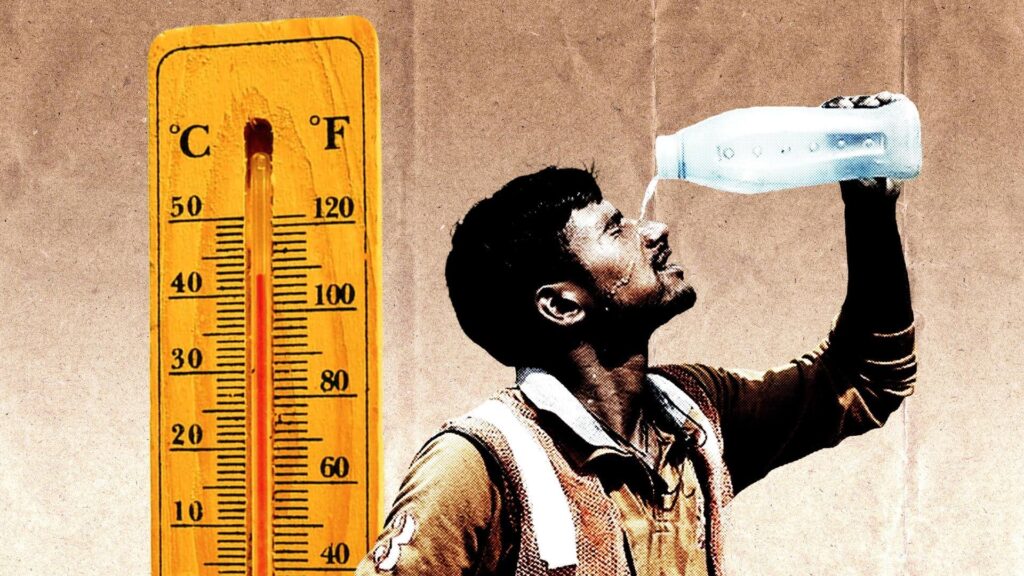
Higher temperatures increase heat‑related illnesses and mortality, especially among the elderly and outdoor workers. Air‑quality degradation from ozone and particulate matter worsens respiratory conditions. Changing disease vectors raise the risk of malaria, dengue, and Lyme disease in regions previously unaffected.
\n
Economic and Infrastructure Impacts
\n
Coastal flooding threatens infrastructure worth billions of dollars; agricultural yields are projected to decline in low‑latitude regions while some high‑latitude areas may see modest gains. Insurance losses from climate‑related disasters have risen sharply over the past two decades.
\n\n
Regional Differences
\n
Impacts vary with geography, climate, and socioeconomic capacity. Small island nations face existential threats from sea‑level rise, whereas high‑latitude regions experience faster warming (Arctic amplification) and permafrost thaw. Sub‑Saharan Africa is projected to suffer reduced rainfall and crop failures, while parts of the U.S. Midwest may see longer growing seasons but also greater drought risk. Developed economies generally have more resources for adaptation, yet even wealthy coastal cities confront costly flood defenses.
\n\n
What Scientists Know With High Confidence
\n
- \n
- The Earth’s surface temperature has risen by about 1.1 °C since the pre‑industrial era.
- Human activities, especially fossil‑fuel combustion, are the dominant cause of observed warming since the mid‑20th century.
- Atmospheric CO₂ concentrations now exceed 420 ppm, the highest level in at least 800,000 years.
- Warming is already causing sea‑level rise, more frequent heatwaves, and shifts in species’ geographic ranges.
\n
\n
\n
\n
\n
\n\n
What Remains Uncertain
\n
Key uncertainties involve the precise value of climate sensitivity (how much warming follows a doubling of CO₂), the magnitude of regional extreme‑event changes, and the speed at which societies can achieve rapid decarbonisation. Gaps in deep‑ocean carbon‑uptake observations, limited data on abrupt permafrost melt, and divergent socioeconomic pathways also constrain projections. While these uncertainties affect the timing of specific outcomes, they do not undermine the overall conclusion that continued emissions will intensify warming.
\n
\n\n
Common Misconceptions
\n
Misconception: “Global warming is just a short‑term weather fluctuation.”
\n
Reality: Climate refers to long‑term averages over decades, whereas weather describes day‑to‑day conditions. The 1.1 °C rise is measured over more than a century, far exceeding normal variability.
\n
Misconception: “Only CO₂ matters; other gases are negligible.”
\n
Reality: Methane is 28‑36 times more potent than CO₂ over a 100‑year horizon, and nitrous oxide is roughly 300 times more potent. Together they account for about 20 % of total radiative forcing.
\n
Misconception: “If it’s cold today, global warming must be false.”
\n
Reality: A warming climate can still produce occasional cold spells; however, extreme cold events are becoming less frequent overall.
\n
Misconception: “Renewable energy alone will instantly solve the problem.”
\n
Reality: Renewables are essential, but large‑scale grid integration, storage, and supportive policies are required; transition timelines depend on investment, technology development, and political will.
\n
Misconception: “Individual lifestyle changes can fully offset global emissions.”
\n
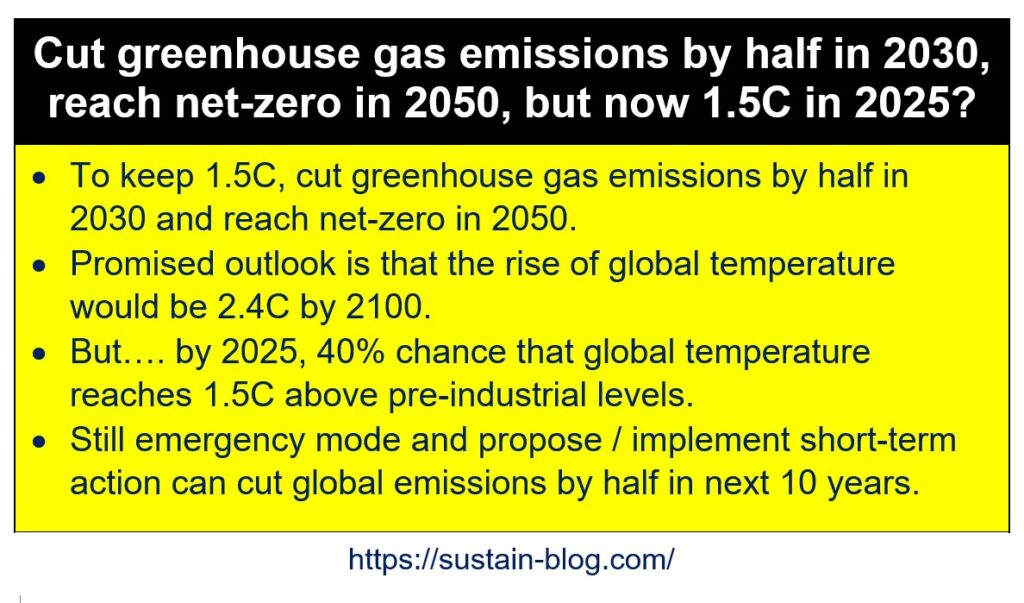
Reality: Personal actions reduce one’s carbon footprint, yet systemic change in energy production, industry, and land use is required to meet the Paris Agreement’s 1.5 °C target.
\n
\n\n
Solutions and Limitations
\n
Effective responses combine mitigation—cutting greenhouse‑gas emissions—and adaptation—building resilience to unavoidable changes. Mitigation strategies include rapid decarbonisation of electricity through wind, solar, and nuclear power; improving energy efficiency in buildings, transport, and industry; and protecting or restoring carbon‑rich ecosystems such as forests and wetlands. Limitations arise from the intermittency of some renewables, high upfront capital costs, and competition for land.
\n
Adaptation measures—such as seawalls, drought‑resistant crops, and early‑warning systems—reduce vulnerability but cannot reverse underlying warming. Trade‑offs include potential displacement of communities, ecosystem disruption from large infrastructure, and unequal access to adaptation resources.
\n\n
What Individuals, Communities, and Governments Can Do
\n
What Individuals Can Do
\n
- \n
- Reduce household energy use by switching to LED lighting, improving insulation, and using public transport or electric vehicles when feasible.
- Choose lower‑carbon foods, such as plant‑based meals, and reduce consumption of red meat and dairy.
- Support climate‑friendly policies by voting, contacting representatives, and participating in local climate actions.
\n
\n
\n
\n
What Communities and Organizations Can Do
\n
- \n
- Implement community renewable projects (e.g., solar cooperatives) to lower collective emissions.
- Adopt green procurement standards and set science‑based carbon‑reduction targets.
- Develop climate‑resilient land‑use plans that integrate green infrastructure and flood‑risk mapping.
\n
\n
\n
\n
What Governments Can Do
\n
- \n
- Enact carbon pricing mechanisms that reflect the social cost of emissions.
- Invest in large‑scale clean‑energy transmission, storage, and research.
- Mandate building codes that require energy‑efficient designs and retrofits.
- Provide climate finance, technology transfer, and capacity‑building to vulnerable regions.
\n
\n
\n
\n
\n\n
Closing Synthesis
\n
In a single paragraph, global warming can be described as the anthropogenic buildup of heat‑trapping gases that intensifies the natural greenhouse effect, leading to a measurable rise in Earth’s average temperature and cascading environmental and societal changes. Robust observations and model assessments give scientists high confidence in this causal chain, while uncertainties remain around precise regional outcomes and the speed of societal transformation. Mitigation and adaptation together offer the most realistic path forward, though each entails technical, economic, and equity considerations. Understanding the core mechanism and the weight of evidence equips readers to recognise the urgency and to support actions that steer the climate toward a more stable future.
Frequently Asked Questions
What is the basic definition of global warming?
Global warming is the long‑term increase in Earth’s average surface temperature caused primarily by human‑emitted greenhouse gases that trap additional heat in the atmosphere, leading to widespread climate changes.
How do greenhouse gases cause the planet to warm?
Greenhouse gases such as carbon dioxide, methane, and nitrous oxide absorb infrared radiation emitted by Earth’s surface and re‑emit it in all directions, sending some of that heat back toward the surface and raising global temperatures.
What evidence shows that global warming is driven by humans?
Multiple lines of evidence—rising global temperatures of about 1.1 °C since the 19th century, atmospheric CO₂ increasing from 280 ppm to over 420 ppm, satellite energy‑imbalance data, and attribution studies assigning >95 % probability to human causes—converge on an anthropogenic origin.
What are the main impacts of global warming on ecosystems and people?
Warming drives sea‑level rise, more intense heatwaves, shifting species ranges, coral bleaching, and altered precipitation patterns, while humans face increased heat‑related illness, food‑security risks, coastal flooding, and higher economic losses from climate‑related disasters.
What actions can individuals realistically take to help address global warming?
Individuals can reduce household energy use, choose lower‑carbon foods, and support climate‑friendly policies through voting and civic engagement; these steps lower personal footprints and build public demand for systemic change.





Leave a Comment