
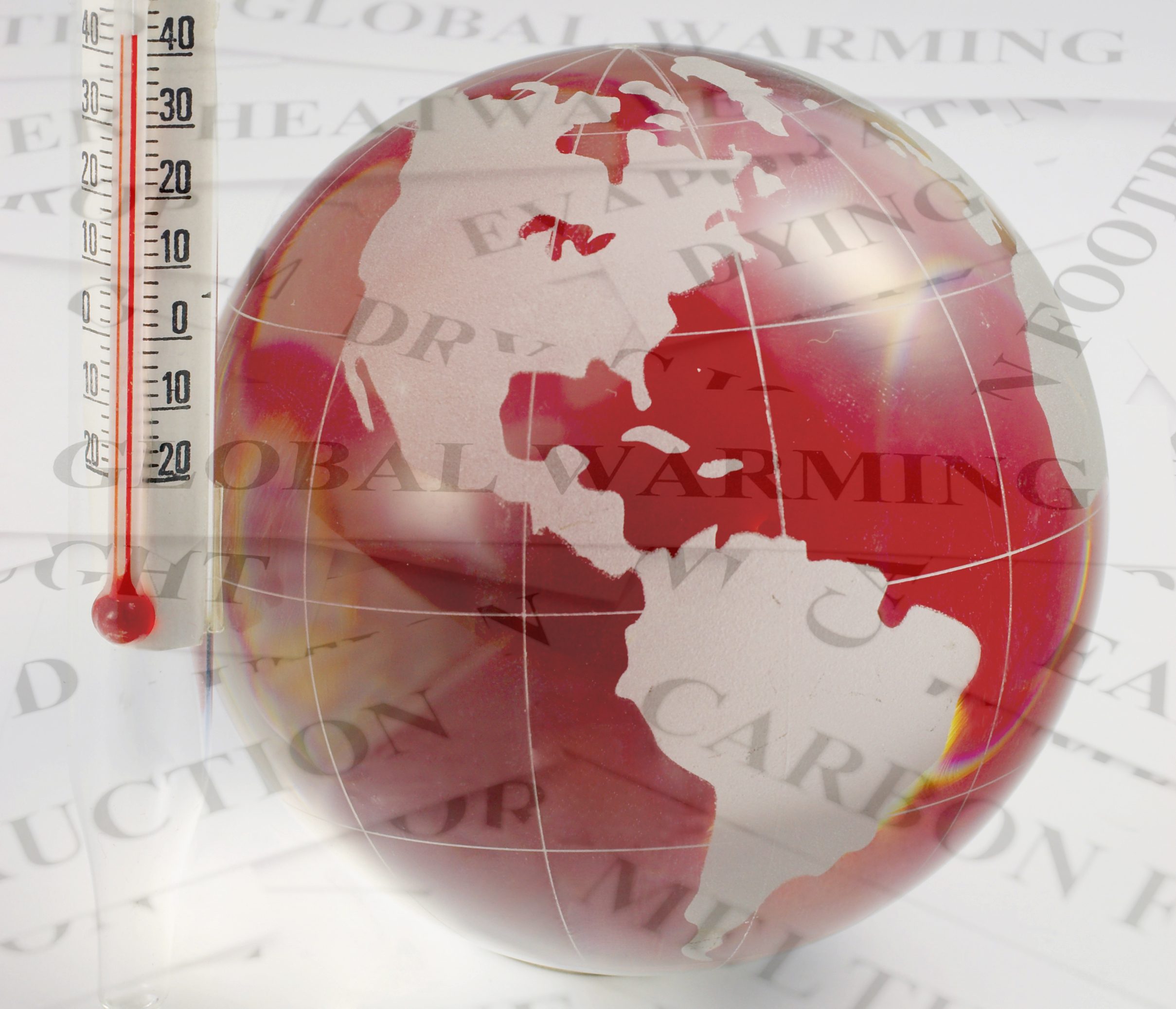
In the vast discourse surrounding environmental issues, two terms frequently surface: “climate change” and “global warming.” While these phrases are often used interchangeably in popular vernacular, a comprehensive understanding of their nuances reveals distinct roles in the environmental narrative. Unraveling this distinction may provide a much-needed shift in perspective, inviting us to scrutinize the intricate tapestry of our planet’s fate.
At its core, “global warming” refers specifically to the rise in Earth’s average surface temperature due to increased greenhouse gases, predominantly driven by the combustion of fossil fuels, deforestation, and industrial practices. This warming phenomenon has been meticulously documented over decades, with scientific consensus indicating an alarming trajectory. Yet, when we broaden our focus to the term “climate change,” we uncover a vast array of consequences that extend beyond mere temperature fluctuations. Climate change encapsulates the complex interplay of ecological, meteorological, and social factors that arise as a result of global warming.
One might wonder, why does terminology matter? The implications are profound. When discussions fixate on global warming alone, the conversation may become oversimplified. It risks reducing a multifaceted crisis to a singular component, potentially sidelining other urgent issues such as biodiversity loss, ocean acidification, and extreme weather events. For instance, while global warming indicates a rise in temperatures, climate change elucidates the repercussions: more frequent hurricanes, prolonged droughts, and ubiquitous flooding. Disentangling these terms and addressing their interconnectedness can foster a deeper understanding of the environmental challenges we face.
Historic patterns offer illuminating insights into this complexity. The interactions between global warming and climate change can be viewed through the lens of historical climate events. The Little Ice Age, a period marked by cooler temperatures stretching from the 14th to the mid-19th century, illustrates how climatic shifts can precipitate social upheaval. From famines to political turmoil, these alterations were not merely atmospheric but resonated through the very fabric of human society. Thus, failure to recognize climate change in its broader spectrum risks repeating history—ignoring the lessons learned from previous decades of climatic instability.
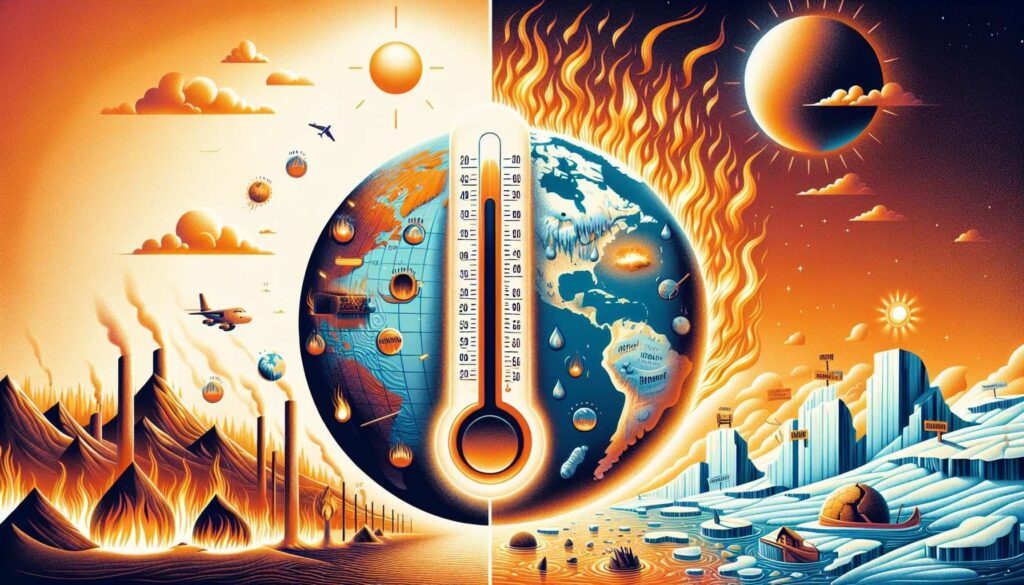
Moreover, as we delve into the implications of terminology, we encounter the “feedback loop” phenomenon. A quintessential example manifests in the melting of polar ice caps. As Earth’s average temperature rises, ice melts, reducing the reflective surface area that would typically bounce sunlight back into space. This leads to increased heat absorption by the oceans, further exacerbating temperature rises. Each effect begets another, demonstrating how global warming catalyzes a cascade of climactic consequences. Herein lies the crux: understanding global warming as merely a temperature increase defies the intricacy of the systemic influences contributing to climate change.
The discourse also bears implications for policy-making and public perception. When the focus remains strictly on global warming, legislative efforts may prioritize short-term solutions aimed at reducing carbon emissions, while neglecting broader adaptive strategies essential for resilience. Conversely, framing the dialogue around climate change encourages a more holistic response. It invites a consideration of renewable energy, sustainable agriculture, and regenerative land use practices, all essential components for fostering an adaptive society. Thus, while global warming signifies the ignition of a warming planet, climate change advocates for comprehensive stewardship of the earth.
Moreover, the interplay of these terms affords an opportunity to engage the public’s awareness. The juxtaposition invites individuals to consider their roles in this grand narrative. What can one person do amidst such monumental challenges? When seen solely through the lens of global warming, action may feel stymied—an insurmountable battle against the inevitable rise of temperatures. However, reframing it as climate change allows for agency. Conscious choices in energy consumption, advocacy for sustainable practices, and participation in civic discourse can collectively forge pathways toward a more sustainable future. Ultimately, acknowledging the multifaceted nature of climate change engenders hope, underlining that every action counts.
Dissecting the relationship between global warming and climate change also reveals critical intersections with social justice. Disproportionately impacting marginalized communities, climate change exacerbates existing inequalities. Lacking the resources for adaptation or relocation, these populations bear the brunt of environmental upheaval. Thus, when advocating for climate action, integrating considerations of equity and justice becomes paramount. This intersectional approach acknowledges that climate change is not merely an environmental issue but a moral imperative demanding transformative societal action.
The articulation of climate change, grounded in a realization of its multitude of causes and effects, urges a collective reckoning with our conduct and choices as stewards of the planet. As we grapple with existential questions regarding our ecological future, identifying the genesis of the crisis becomes less about pinpointing blame and more about fostering collaboration toward solutions. Global warming ignites this intricate web of challenges, yet we must not neglect the broader climate change that ensues. It beckons us to expand our lens, recognize our interconnectedness, and catalyze essential change.
In a world grappling with escalating environmental repercussions, defining our narrative becomes instrumental. Transitioning from the isolated notion of global warming to the expansive understanding of climate change fosters awareness that interweaves scientific understanding, societal action, and ethical responsibility. As we embark on this journey toward understanding, we find not only the urgency of addressing immediate crises but also the profound potential for cultivating a resilient ecosystem—one that honors the delicate balance of our planet’s existence.





Leave a Comment