
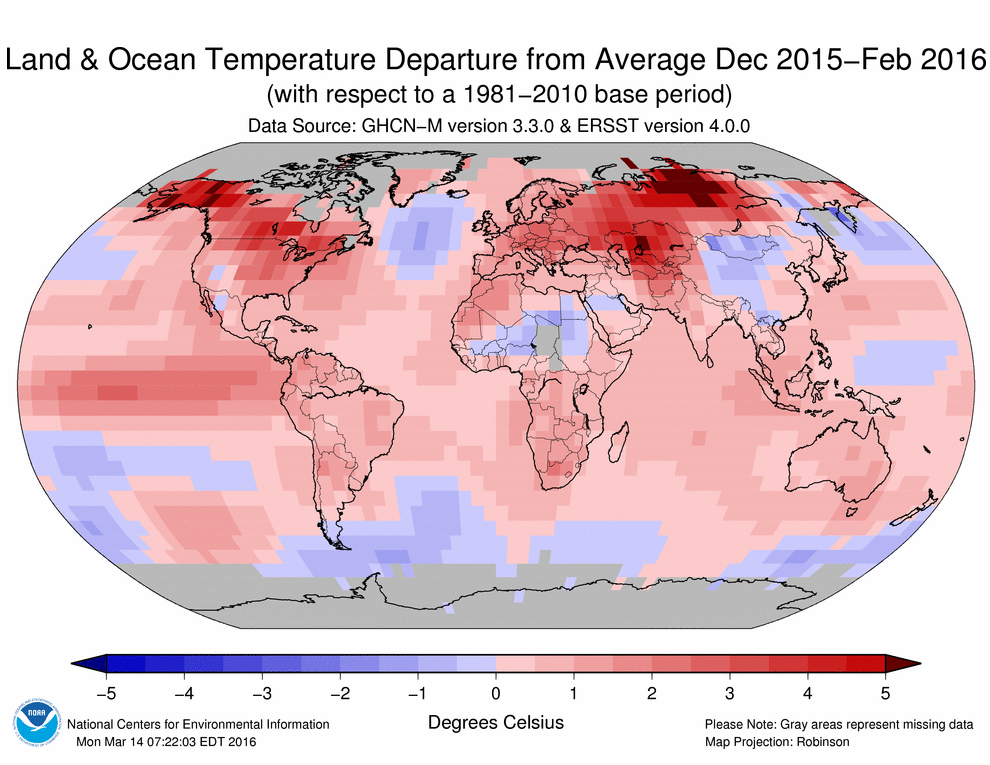
Climate change is reshaping local weather patterns worldwide, with rising temperatures, shifting precipitation, and more extreme events providing strong evidence that what you experience day‑to‑day is increasingly linked to a warming planet.
Quick Answer
Climate change influences local weather by altering the energy balance of the atmosphere, which changes temperature extremes, rainfall distribution, and the intensity of storms. The Intergovernmental Panel on Climate Change (IPCC) concludes that warming of the global mean surface temperature by 1.1 °C since pre‑industrial times has already increased the frequency of heatwaves and heavy precipitation in many regions. While natural variability still plays a role, the overall trend is robust, and the most consequential impacts are higher health risks, agricultural stress, and greater damage from floods and storms.
Key Takeaways
- Temperature extremes are becoming more common; heatwaves and cold‑spells both intensify.
- Precipitation patterns shift, leading to more floods in some areas and droughts in others.
- Extreme weather events such as hurricanes, tornadoes, and severe thunderstorms are increasing in intensity.
- These changes affect ecosystems, human health, agriculture, and infrastructure.
- Mitigation and adaptation—reducing emissions and building resilient systems—are both essential.
What Is “Climate Change Affecting Your Local Weather”?
The phrase refers to the observable ways in which global warming modifies the day‑to‑day weather you experience in a specific place. Unlike climate, which describes long‑term averages, local weather is the short‑term manifestation of atmospheric conditions—temperature, rain, wind, and storms. Climate change does not create new weather types, but it alters the probabilities of existing patterns, making some events more likely and more severe.
How Does It Work?
1. Energy Imbalance and Temperature
Human‑generated greenhouse gases trap infrared radiation, raising the average temperature of the troposphere. Warmer air holds about 7 % more water vapor per degree Celsius (Clausius‑Clapeyron relation), which amplifies both heat and moisture‑related processes.
2. Changes in Atmospheric Circulation
Warming alters pressure gradients and jet‑stream dynamics. In many mid‑latitude regions, the jet stream becomes wavier, allowing cold air to dip farther south while warm air moves north, creating prolonged heatwaves and cold spells.
3. Moisture and Precipitation
More water vapor leads to heavier rain when storms occur, while altered circulation can shift storm tracks, leaving some areas drier for longer periods.
4. Storm Intensity
Higher sea‑surface temperatures boost the energy available to tropical cyclones, often resulting in stronger winds and larger rainfall totals.
What Does the Evidence Show?
Multiple lines of evidence converge on the conclusion that climate change is already influencing local weather:
- Long‑term temperature records from NOAA and national meteorological services show that the number of days above the 90th percentile has risen in most continents since the 1950s.
- Precipitation analyses in the IPCC Sixth Assessment Report (2021) reveal that extreme daily rainfall has increased in 80 % of land regions where reliable data exist.
- Attribution studies using climate models attribute the increased probability of heatwaves in Europe (e.g., 2003, 2019) to anthropogenic warming with >95 % confidence.
- Hurricane research published in the journal *Nature Climate Change* (2020) finds that the proportion of Category 4–5 storms in the North Atlantic has risen by about 15 % since the 1980s, linked to warmer ocean temperatures.
- Regional case studies—for example, the US Climate Extremes Index shows that the Southwest has experienced a 30 % increase in drought‑related indicators over the past three decades.
Main Causes or Drivers
Direct Human Drivers
Burning of fossil fuels, deforestation, and industrial processes increase concentrations of carbon dioxide, methane, and nitrous oxide, which are the primary radiative forcing agents.
Amplifying Feedbacks
Melting Arctic sea ice reduces surface albedo, causing additional absorption of solar energy and further warming—a feedback that can influence mid‑latitude weather patterns.
Land‑Use Changes
Urbanization creates heat islands that amplify local temperature spikes, while changes in vegetation affect evapotranspiration and local moisture cycles.
Environmental and Human Impacts
Environmental Impacts
- Shifts in phenology—earlier flowering and migration—disrupt ecosystem synchrony.
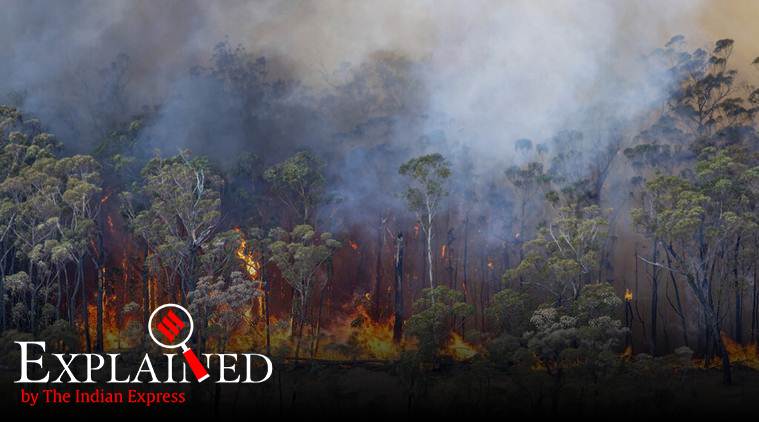
- Increased wildfire risk in boreal and Mediterranean regions due to hotter, drier summers.
- Invasive species gain footholds where warmer conditions exceed native species’ tolerance.
Human Health and Social Impacts
- Heat‑related illnesses rise; the WHO estimates that each additional degree Celsius of average temperature could increase heatstroke deaths by up to 10 % in vulnerable populations.
- Flooding damages housing, displaces communities, and strains emergency services.
- Agricultural yields become more variable; droughts reduce grain production in the Sahel, while excessive rain damages crops in South Asia.
Economic and Infrastructure Impacts
- Infrastructure designed for historic flood levels faces higher repair costs; the US Federal Emergency Management Agency reports a 30 % increase in flood‑related claims since 2000.
- Energy demand spikes during heatwaves, stressing grids and increasing outage risk.
Regional Differences
Impact magnitude depends on geography, climate zone, and socioeconomic capacity:
- Tropical regions experience intensified monsoon rainfall and more frequent cyclones.
- Temperate zones see greater temperature variability and more pronounced heat‑cold swings.
- Arid and semi‑arid areas confront longer droughts, threatening water security.
- Coastal cities face compounded risk from sea‑level rise and storm surge.
What Scientists Know With High Confidence
What Scientists Know With High Confidence
- Global average surface temperature has risen about 1.1 °C since the pre‑industrial era (IPCC, 2021).
- Human activities are the dominant cause of observed warming since the mid‑20th century.
- Warmer air holds more moisture, leading to more intense precipitation events.
- The frequency of heatwaves has increased in most land regions.
- Sea‑surface warming contributes to stronger tropical cyclones.
What Remains Uncertain
What Remains Uncertain
Key uncertainties include the precise regional response of jet‑stream patterns, the magnitude of future extreme‑event changes under different emission pathways, and how quickly ecosystems can adapt to rapid climate shifts. Improved high‑resolution monitoring and longer model ensembles are needed to narrow these gaps.
Common Misconceptions
Common Misconceptions
Misconception: A single hot day proves climate change.
Reality: Individual weather events are influenced by natural variability; however, statistical attribution studies show that the odds of such events increase as the planet warms.
Misconception: Climate change only causes warming, not extreme cold.
Reality: Disrupted jet‑stream patterns can bring unusually cold air to regions that normally stay mild, so both extremes become more likely.
Misconception: Climate change effects are the same everywhere.
Reality: Impacts differ by climate zone, land use, and socioeconomic capacity; some areas face heightened flood risk, others face drought.
Solutions and Limitations
Responses fall into two broad categories:
- Mitigation—reducing greenhouse‑gas emissions through renewable energy, energy efficiency, and carbon‑pricing mechanisms. While essential, mitigation alone cannot reverse changes already locked in.
- Adaptation—building flood‑resilient infrastructure, implementing water‑conservation policies, and developing heat‑action plans. Adaptation reduces vulnerability but does not address the root cause.
Both approaches have trade‑offs: renewable energy deployment requires land and material resources; large‑scale adaptation can be costly and may inadvertently shift risk to other communities.
What Individuals, Communities, and Governments Can Do
What Individuals Can Do
- Reduce personal carbon footprints by using public transit, improving home insulation, and choosing low‑carbon foods.
- Support local climate‑resilience projects such as rain‑garden installations or community emergency plans.
What Communities and Organizations Can Do
- Adopt green‑infrastructure (e.g., permeable pavements) to manage stormwater.
- Develop early‑warning systems for heatwaves and floods.
- Promote climate‑smart agriculture, including drought‑resistant crops.
What Governments Can Do
- Implement and enforce emissions‑reduction targets aligned with the Paris Agreement.
- Invest in climate‑resilient public works, such as upgraded levees and upgraded power grids.
- Provide subsidies or low‑interest loans for renewable‑energy retrofits in low‑income neighborhoods.
Synthesis of the Evidence
Robust scientific assessments confirm that a warming planet is already altering the weather you experience locally. Temperature extremes, shifting rainfall, and more powerful storms are documented across continents, with high confidence in the underlying mechanisms. Uncertainties remain in the exact regional trajectories and in the speed of ecosystem responses, but the direction of change is clear. Mitigation to curb emissions, paired with targeted adaptation to protect vulnerable communities, offers the most effective pathway to limit future disruption.
Frequently Asked Questions
How does climate change influence daily temperature extremes?
Climate change raises the average temperature of the atmosphere, which increases the likelihood of both unusually hot days and, through disrupted jet‑stream patterns, occasional severe cold spells. The IPCC reports that heatwaves have become more frequent in most land regions.
Why are heavy rainfall events becoming more common?
Warmer air can hold about 7 % more water vapor per degree Celsius, so when storms do form they can release more rain. Observations compiled by NOAA show a rise in extreme daily precipitation in 80 % of well‑monitored land areas.
Can a single storm be blamed on climate change?
Attribution of a single storm to climate change is uncertain, but statistical studies show that the probability of intense hurricanes and severe thunderstorms has increased as global temperatures rise.
What are the main differences in climate‑change impacts between tropical and temperate regions?
Tropical regions face stronger monsoon rains and more frequent cyclones, while temperate zones experience greater temperature variability, including longer heatwaves and occasional cold snaps caused by altered jet‑stream dynamics.
What actions can local governments take to protect communities from climate‑driven weather changes?
Governments can enforce emissions‑reduction targets, invest in flood‑resilient infrastructure, upgrade power grids to handle heat‑related demand spikes, and fund early‑warning systems for heatwaves and storms.







Leave a Comment