
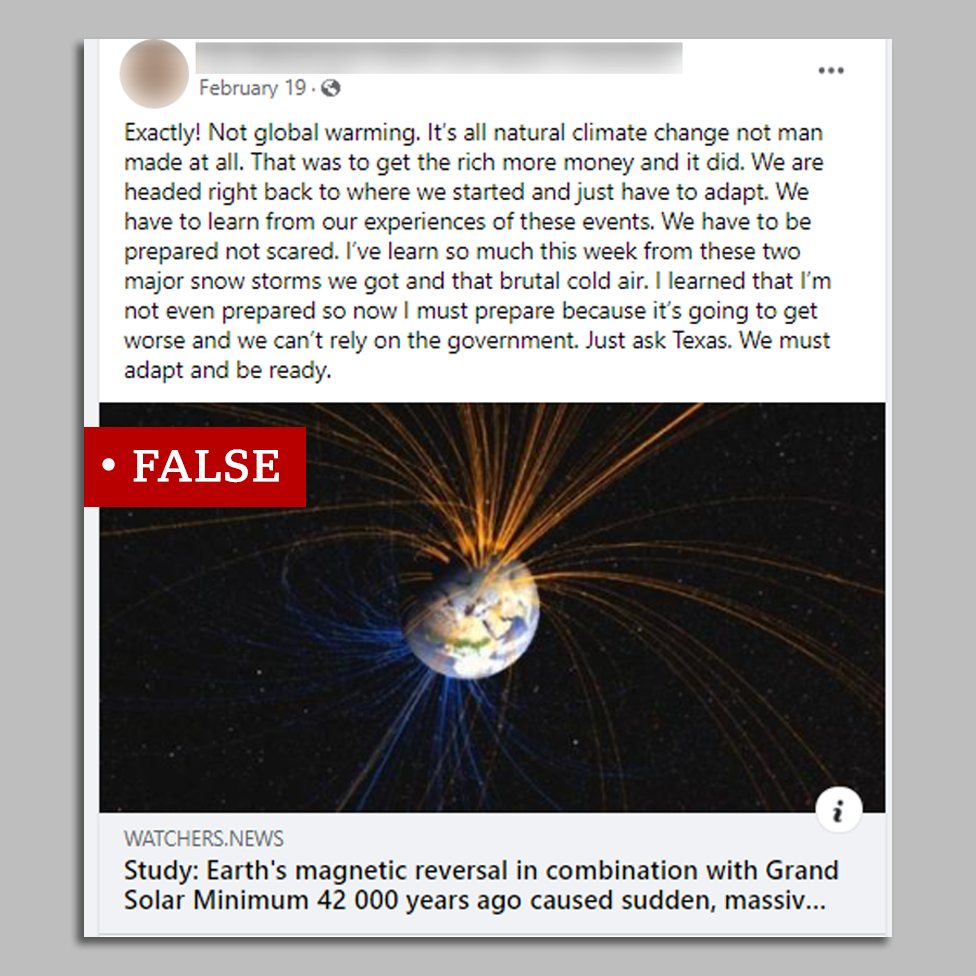
Understanding why a portion of the public doubts climate change reveals the psychological, ideological, media and economic forces that shape perception, and points toward evidence‑based strategies for constructive dialogue.
Quick Answer
Climate‑change denial is a set of beliefs that downplay, question, or reject the scientific consensus that human activities are driving global warming. The primary mechanism behind denial is identity‑protective cognition, where people protect cherished worldviews from information that feels threatening. Robust evidence from the Intergovernmental Panel on Climate Change (IPCC) and multiple long‑term monitoring programs confirms that the planet is warming and that greenhouse‑gas emissions are the dominant driver. The most important implication is that denial hampers timely mitigation and adaptation actions, creating policy delays and increased risk of climate impacts. While the psychological and social drivers of denial are well documented, uncertainties remain about how best to shift beliefs at large scale.
Key Takeaways
- Denial is rooted in cognitive dissonance, identity‑protective cognition, partisan cues, media misinformation, and economic self‑interest.
- Scientific evidence for anthropogenic climate change is high‑confidence, based on observations, experiments and comprehensive assessment reports.
- Regional patterns of skepticism vary, with higher denial rates in countries where fossil‑fuel industries wield political influence.
- Effective communication combines empathy, clear analogies, and trusted messengers rather than confrontation.
- Solutions require coordinated action across individuals, communities, businesses and governments, with clear limits on what each can achieve.
What Is Why Some People Feel Climate Change Isn’t Real—and What’s Behind It?
The phrase refers to the psychological and sociopolitical phenomenon in which individuals reject or downplay the scientific consensus on anthropogenic climate change. It is not a scientific concept but a description of a set of attitudes and beliefs that differ from the overwhelming evidence presented by climate science. The scope includes personal disbelief, public policy opposition, and organized campaigns that portray climate change as uncertain or exaggerated. Understanding this phenomenon matters because denial influences voting behavior, corporate strategy, and the speed at which societies implement mitigation and adaptation measures.
How Does It Work?
Psychological Mechanisms
When new information conflicts with an existing worldview, people experience cognitive dissonance – an uncomfortable mental state that motivates them to reject, rationalize, or ignore the information. Identity‑protective cognition further amplifies this response: individuals align their beliefs with the values of the social groups they identify with, such as political parties or cultural communities. The “normalcy bias” also plays a role, as people tend to underestimate slow‑moving risks that do not match daily experience.
Ideological and partisan cues
Research shows that in many democracies, climate‑change attitudes correlate strongly with political ideology. Conservative or libertarian identities are often associated with skepticism because climate policies are framed as expanding government regulation, which conflicts with preferences for limited state intervention. This partisan framing creates a feedback loop where individuals selectively accept information that confirms their political stance.
Media environment
In the digital age, information flows through fragmented channels. Some outlets present climate science alongside contrarian opinions, giving a false impression of balanced debate. Repetition of misinformation, especially on social‑media platforms, can reinforce doubt through the “illusory truth effect.” When credible sources are perceived as part of an opposing ideological bloc, trust in those sources declines.
Economic interests
Industries reliant on fossil fuels often fund lobbying, advertising, and think‑tank research that casts climate policies as costly or ineffective. Economic self‑interest can motivate individuals employed in or financially tied to these sectors to adopt skeptical positions to protect perceived livelihood security.
What Does the Evidence Show?
Multiple lines of evidence confirm that the Earth’s average surface temperature has risen by about 1.1 °C since the pre‑industrial era (1850‑1900), based on instrumental records compiled by NOAA and the World Meteorological Organization (2023). Atmospheric carbon‑dioxide concentrations have increased from roughly 280 ppm to 419 ppm in 2023, as measured by the Mauna Loa Observatory. Attribution studies using climate models consistently identify human greenhouse‑gas emissions as the dominant cause of warming since the mid‑20th century (IPCC AR6, 2021).
Evidence for the drivers of denial comes from social‑science research. A systematic review of 84 surveys (van der Linden et al., 2021) found that identity‑protective cognition explains up to 60 % of variance in climate‑change belief across Western populations. Media‑analysis studies (e.g., Cook et al., 2022) show that outlets with a conservative editorial line are twice as likely to publish articles that question climate science.
Main Causes or Drivers
Direct psychological causes
- Cognitive dissonance – discomfort from conflicting information.
- Identity‑protective cognition – aligning beliefs with group values.
- Normalcy bias – underestimating gradual, large‑scale risks.
Socio‑political drivers
- Partisan framing – climate change portrayed as a left‑wing agenda.
- Media misinformation – presentation of fringe opinions as equally credible.
- Economic self‑interest – concerns over job loss or profit reduction.
Amplifying factors
- Social network homophily – people consume information that mirrors their existing views.
- Trust deficits – skepticism toward scientific institutions perceived as elite.
Environmental and Human Impacts
Environmental Impacts
Denial can delay the implementation of emissions‑reduction policies, allowing higher concentrations of greenhouse gases to accumulate. Model ensembles (IPCC AR6) indicate that a five‑year delay in reaching net‑zero emissions could increase global warming by roughly 0.1 °C by 2100, amplifying risks to coral reefs, Arctic sea ice, and extreme‑weather frequency.
Human Health and Social Impacts
Policy inaction linked to denial contributes to higher exposure to heat‑related morbidity, air‑quality degradation, and vector‑borne diseases, especially in low‑income communities with limited adaptive capacity. Economic analyses estimate that each additional 0.1 °C of warming could raise global GDP losses by 0.2 % in the long term (World Bank, 2022).
Economic and Infrastructure Impacts
When denial shapes public opinion, governments may postpone investments in resilient infrastructure, leading to higher repair costs after extreme events. A 2021 study of U.S. coastal cities found that delayed adaptation planning increased projected flood‑damage costs by 30 % over a 30‑year horizon.
Regional Differences
In the United States, surveys from Pew Research (2022) show that 42 % of adults express doubt about human‑caused climate change, with higher rates in states where coal and oil industries dominate. In contrast, European Union member states report an average skepticism rate of 17 % (Eurobarometer, 2023), reflecting stronger regulatory frameworks and public investment in renewable energy. In many low‑income nations, limited access to scientific education and immediate development priorities can reduce the salience of climate‑change debate, yet exposure to climate impacts (e.g., drought in Sub‑Saharan Africa) is rising.
What Scientists Know With High Confidence
- Global average surface temperature has risen markedly since the late 19th century.
- Human emissions of carbon dioxide, methane, and nitrous oxide are the dominant drivers of recent warming.
- Observed changes include sea‑level rise, shrinking Arctic sea ice, and increased frequency of extreme heat events.
- Mitigation actions that reduce greenhouse‑gas emissions can limit future warming and associated risks.
What Remains Uncertain
Key uncertainties involve the social dynamics of belief change: which communication strategies most reliably shift deeply held skeptical views, and how quickly large‑scale public opinion can move in response to new evidence. Climate models also retain uncertainty regarding regional precipitation patterns and potential tipping points in the carbon cycle, which affect long‑term risk assessments.
Common Misconceptions
Misconception: “The climate has always changed, so current warming is natural.”
Reality: While Earth’s climate does vary over geological time, the rapid increase in global average temperature over the past 150 years occurs at a rate far exceeding natural cycles, and the isotopic signature of carbon points to fossil‑fuel combustion as the primary source.
Misconception: “Scientists disagree on climate change.”
Reality: Multiple assessments (e.g., IPCC AR6) report that over 97 % of peer‑reviewed climate studies endorse the conclusion that humans are warming the planet. The remaining minority represents a small, well‑characterized dissent that does not affect the consensus.
Misconception: “Extreme weather events prove climate change isn’t happening.”
Reality: Individual weather events cannot be directly attributed to climate change, but statistical analyses show that heatwaves, heavy precipitation, and wildfire intensity have become more likely as the climate warms.
Solutions and Limitations
Addressing denial requires a blend of mitigation, adaptation, and communication strategies. Mitigation (e.g., decarbonizing energy systems) reduces the underlying driver of warming but does not instantly change beliefs. Adaptation (e.g., resilient infrastructure) protects communities regardless of belief but may be politically contested if perceived as acknowledging climate risk. Communication interventions—such as using trusted local messengers, framing messages around shared values (e.g., health, economic opportunity), and presenting clear, relatable analogies—have shown modest success in laboratory settings, yet scaling these approaches remains challenging. Limitations include the risk of backfire effects when messages are perceived as threatening, and the need for sustained funding for long‑term outreach.
What Individuals, Communities, and Governments Can Do
What Individuals Can Do
- Seek information from reputable scientific sources (e.g., IPCC, NOAA) rather than partisan outlets.
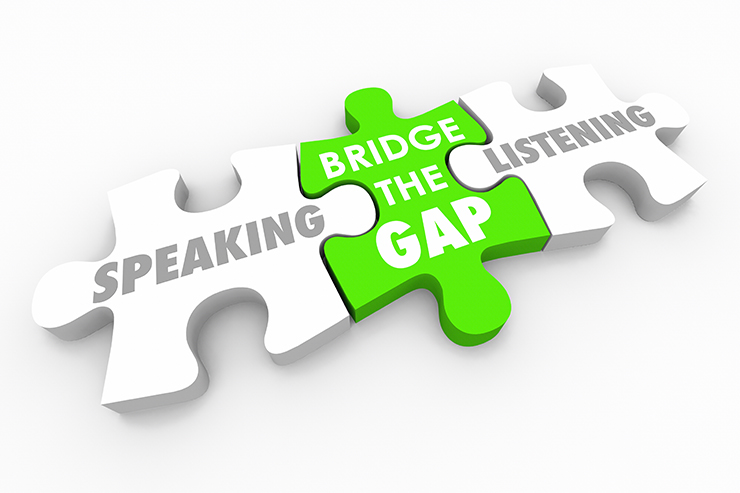
- Engage in conversations that emphasize shared values and avoid confrontational language.
- Support local policies that promote renewable energy and energy efficiency.
What Communities and Organizations Can Do
- Implement community‑based climate education programs that involve trusted local leaders.
- Develop transparent monitoring of local climate impacts (e.g., heat‑wave alerts) to make risks tangible.
- Partner with businesses to showcase economic benefits of low‑carbon technologies.
What Governments Can Do
- Enact clear, evidence‑based climate policies (e.g., carbon pricing) while providing just transition support for affected workers.
- Invest in public‑service broadcasting that delivers factual climate information without partisan framing.
- Fund interdisciplinary research on effective science communication and on the social roots of denial.
Closing Synthesis
Climate‑change denial emerges from a convergence of psychological discomfort, identity‑protective cognition, partisan framing, media misinformation, and economic self‑interest. Robust scientific evidence confirms that the planet is warming and that human emissions are the primary cause. While uncertainties persist about the most effective ways to shift public belief, the path forward combines accurate information, empathetic dialogue, and coordinated policy action. By recognizing the underlying drivers of skepticism, societies can design targeted interventions that respect values, address economic concerns, and ultimately accelerate the transition to a resilient, low‑carbon future.
Frequently Asked Questions
What is climate‑change denial?
Climate‑change denial refers to the belief that human activities are not causing global warming, or that the scientific consensus on climate change is unreliable. It encompasses personal doubt, public opposition to climate policies, and organized campaigns that portray climate science as uncertain.
Why do people experience cognitive dissonance about climate change?
Cognitive dissonance occurs when new information about climate change conflicts with existing worldviews, values, or economic interests. The resulting mental discomfort leads many to reject or rationalize the evidence to preserve their self‑identity and avoid the stress of changing long‑held beliefs.
How does political ideology influence climate‑change beliefs?
Political ideology shapes climate attitudes by linking the issue to broader partisan narratives. In many countries, conservative or libertarian groups associate climate policies with increased government regulation, prompting members to adopt skeptical positions that align with their ideological preference for limited state intervention.
What evidence shows that climate change is happening despite denial?
Long‑term temperature records show a global rise of about 1.1 °C since the pre‑industrial era, while atmospheric CO₂ has risen from 280 ppm to over 419 ppm. Attribution studies using climate models consistently identify human greenhouse‑gas emissions as the dominant driver of this warming, as documented in the IPCC AR6 report.
What actions can individuals take to reduce climate‑change skepticism in their community?
Individuals can share information from trusted scientific sources, engage in respectful conversations that connect climate benefits to shared values, and support local renewable‑energy initiatives. By modeling open‑minded discussion and highlighting tangible co‑benefits, they help lower barriers to acceptance.






Leave a Comment