
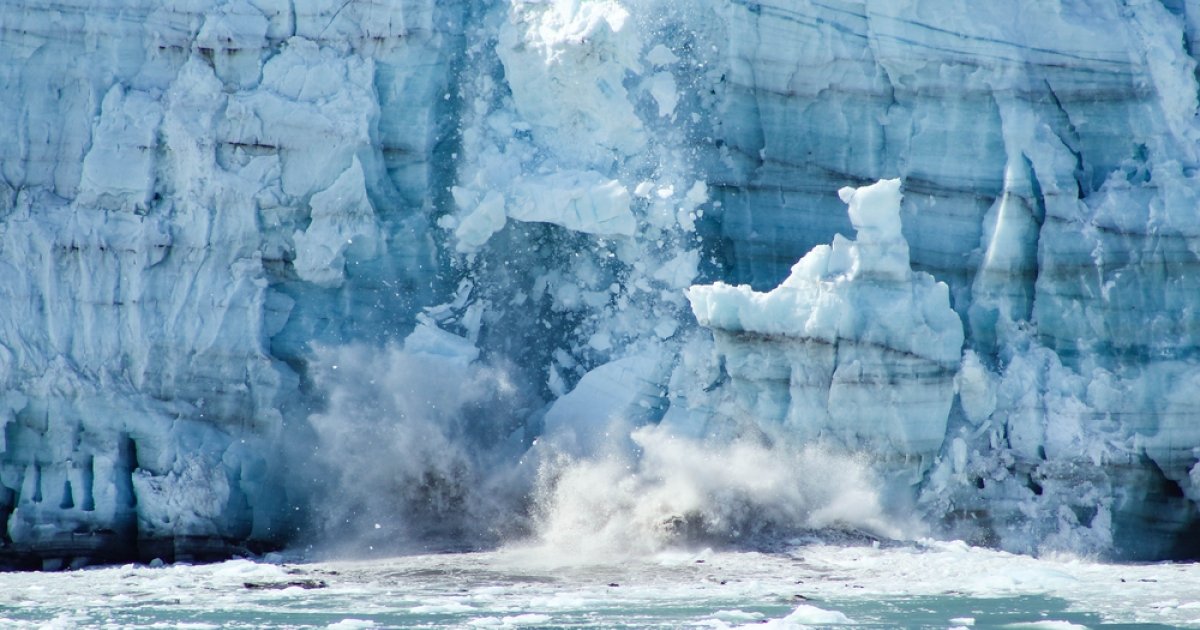
Melting Arctic sea ice does not raise sea levels because the ice is already floating and displaces its own water volume, while sea‑level rise is driven mainly by land‑based ice melt and thermal expansion.
Quick Answer
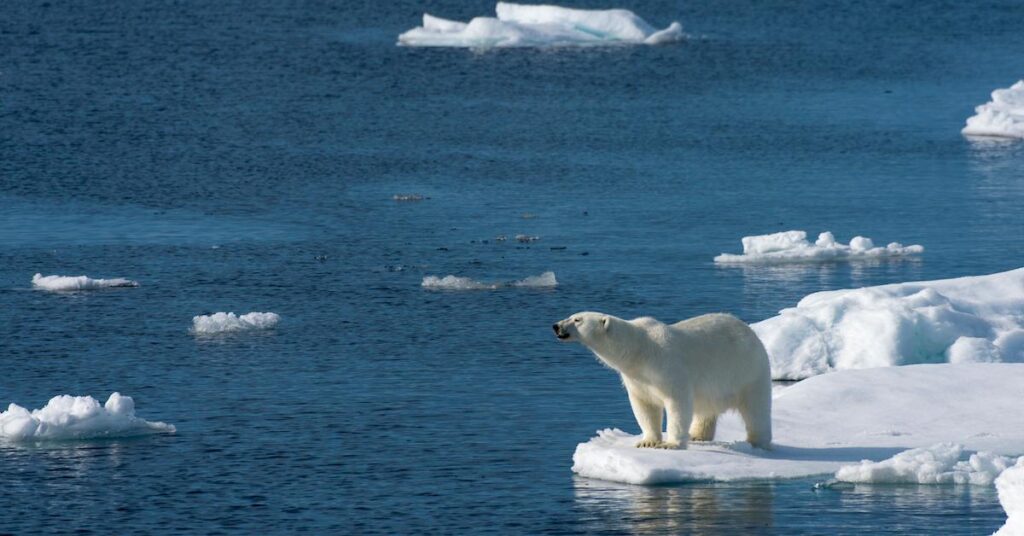
Arctic sea ice is formed from seawater and therefore floats on the ocean surface. According to Archimedes’ principle, a floating object displaces a volume of water equal to its own weight; when the ice melts, it simply fills the space it already displaced, leaving sea level unchanged. The primary contributors to rising oceans are the melting of land‑based ice sheets and glaciers, and the thermal expansion of warming seawater. While the loss of Arctic sea ice signals broader climate change, its direct impact on sea level is negligible, though uncertainties remain about future feedbacks.
Key Takeaways
- Floating Arctic sea ice does not add water to the ocean when it melts.
- Sea‑level rise is driven mainly by melting land ice and thermal expansion.
- The albedo loss from ice retreat amplifies warming, affecting climate patterns.
- High‑confidence scientific evidence supports the displacement principle.
- Uncertainties remain about regional feedbacks and permafrost‑related greenhouse gas releases.
What Is Why Melting Arctic Sea Ice Doesn’t Raise Sea Levels?
The question addresses a common misconception: that the disappearance of Arctic sea ice directly lifts ocean waters. In reality, the Arctic sea‑ice cover consists of frozen seawater that remains buoyant. The concept is distinct from the melting of glaciers or ice sheets that sit on land, which add new water to the ocean. Understanding this difference matters because sea‑level rise threatens coastal communities, ecosystems, and infrastructure worldwide.
How Does It Work?
Floating Ice and Displacement
When seawater freezes, its density decreases by about 9%, causing it to rise and form a floating slab. Archimedes’ principle states that a floating object displaces a volume of fluid equal to its weight. Consequently, a cubic meter of sea ice displaces roughly 0.91 m³ of seawater. When the ice melts, the resulting water exactly matches the displaced volume, leaving the ocean level unchanged.
Land‑Based Ice Adds Mass
Glaciers and the massive ice sheets of Greenland and Antarctica rest on solid ground. When they melt, gravity pulls the meltwater into the ocean, increasing total water volume. Satellite gravimetry from the Gravity Recovery and Climate Experiment (GRACE) shows that land‑ice loss contributed about 0.8 mm per year to global sea‑level rise between 2002 and 2020 (NASA, 2021).
Thermal Expansion
Warmer water expands; a 1 °C rise can increase seawater volume by roughly 0.2 %. The Intergovernmental Panel on Climate Change (IPCC) AR6 (2021) attributes about 30 % of observed sea‑level rise since 1993 to thermal expansion, based on ocean‑temperature records from ARGO floats.
What Does the Evidence Show?
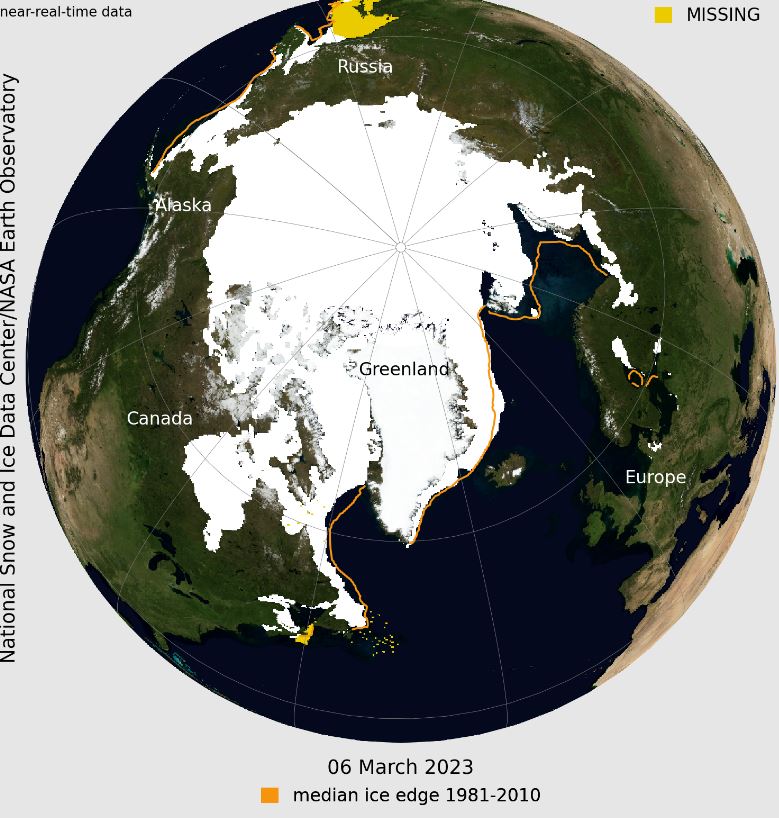
Long‑term observations from satellite altimetry (TOPEX/Poseidon, Jason‑1/2/3) confirm that global mean sea level has risen by 3.4 mm yr⁻¹ on average from 1993 to 2022. Concurrently, sea‑ice extent has declined by roughly 13 % per decade (National Snow and Ice Data Center, 2023), yet sea‑level trends remain unchanged by that loss. Peer‑reviewed assessments (IPCC AR6, 2021) consistently separate the contributions of floating‑ice melt (negligible) from land‑ice melt and thermal expansion (dominant). Field experiments measuring water displacement under ice floes corroborate the theoretical displacement principle.
Main Causes or Drivers
Direct Drivers of Sea‑Level Rise
- Melting of the Greenland Ice Sheet – accelerated by surface melt and iceberg calving.
- Antarctic Ice Sheet mass loss – especially from the West Antarctic sector.
- Glacier retreat worldwide – observed in the Himalayas, Andes, and Alps.
- Thermal expansion of the upper 700 m of the ocean – driven by atmospheric warming.
Underlying Climate Drivers
- Rising greenhouse‑gas concentrations (CO₂, CH₄) – enhance the greenhouse effect.
- Atmospheric temperature increase – leads to ocean warming.
- Feedbacks such as reduced albedo from sea‑ice loss – increase solar absorption.
Environmental and Human Impacts
Environmental Impacts
- Coastal erosion and loss of wetlands that serve as biodiversity hotspots.
- Increased frequency of storm surge flooding in low‑lying regions.
- Saltwater intrusion into freshwater aquifers, affecting plant communities.
Human Health and Social Impacts
- Displacement of coastal populations – projected to affect up to 280 million people by 2100 under high‑emission scenarios (UN‑DPF, 2022).
- Higher risk of water‑borne diseases after flooding events.
- Economic losses in sectors such as tourism, fisheries, and real‑estate.
Regional Differences
Sea‑level rise is not uniform. The western Pacific experiences higher rates due to ocean‑dynamic factors, while the North Atlantic sees slightly lower rises because of gravitational adjustments from ice‑mass loss in Greenland. Small island states in the Pacific and Indian Oceans face existential threats, whereas high‑latitude coasts may experience amplified erosion due to reduced sea‑ice buffering.
What Scientists Know With High Confidence
- Floating sea ice does not contribute measurably to global sea‑level rise.
- Land‑based ice melt and thermal expansion are the dominant drivers of observed sea‑level rise.
- Arctic sea‑ice decline reduces planetary albedo, accelerating warming.
- Satellite gravimetry provides robust, independent evidence of increasing land‑ice mass loss.
What Remains Uncertain
Key uncertainties include the rate at which the Antarctic ice sheet may destabilize under future warming, the magnitude of permafrost‑derived methane feedbacks, and regional variations in ocean‑dynamic sea‑level change. Improved high‑latitude observations and refined ice‑sheet models are needed to narrow these gaps.
Common Misconceptions
Misconception: Melting Arctic sea ice directly raises sea level.
Reality: Because the ice is already floating, its melt simply replaces the water it displaced, leaving sea level essentially unchanged.
Misconception: All ice melt has the same impact on sea level.
Reality: Only ice that originates on land adds new water to the ocean; floating ice does not.
Misconception: Sea‑level rise stops if Arctic sea ice disappears.
Reality: The disappearance of Arctic sea ice removes a reflective surface, increasing heat absorption and potentially accelerating land‑ice melt and thermal expansion.
Solutions and Limitations
- Mitigation of greenhouse‑gas emissions: Reducing CO₂ and CH₄ limits warming, which slows both land‑ice melt and thermal expansion. Limitations include political feasibility and transition costs.
- Adaptation of coastal infrastructure: Elevated building codes and managed retreat protect communities but can be financially burdensome and raise equity concerns.
- Enhanced monitoring: Expanding satellite and in‑situ observations improves early warning but does not itself prevent rise.
- Preserving Arctic sea ice: While not a direct sea‑level solution, protecting sea ice maintains albedo and moderates regional warming, offering indirect climate benefits.
What Individuals, Communities, and Governments Can Do
What Individuals Can Do
- Support policies and candidates that prioritize rapid decarbonization.
- Reduce personal carbon footprints through energy efficiency, public transit, and diet choices.
- Engage in local coastal resilience planning where applicable.
What Communities and Organizations Can Do
- Implement nature‑based solutions such as restoring mangroves and wetlands to buffer storm surge.
- Conduct community risk assessments using sea‑level projections.
- Educate members about the distinction between floating‑ice melt and land‑ice contributions.
What Governments Can Do
- Adopt and enforce ambitious net‑zero emission targets aligned with the IPCC 1.5 °C pathway.
- Invest in coastal adaptation infrastructure, prioritizing vulnerable and low‑income regions.
- Fund long‑term Arctic monitoring programs to track ice dynamics and feedbacks.
Closing Synthesis
The physics of buoyancy explains why melting Arctic sea ice does not raise ocean levels, while land‑based ice melt and thermal expansion drive the observed rise. High‑confidence evidence confirms this distinction, though uncertainties about future ice‑sheet behavior remain. Addressing sea‑level rise therefore requires aggressive greenhouse‑gas mitigation, targeted adaptation, and continued scientific monitoring. Understanding the true drivers helps focus action where it can most effectively protect ecosystems and coastal societies.
Frequently Asked Questions
Does melting Arctic sea ice directly increase ocean levels?
No. Arctic sea ice is already floating, so when it melts it simply fills the space it displaced, leaving global sea level essentially unchanged.
Why does floating ice not raise sea level when it melts?
Floating ice follows Archimedes' principle: it displaces water equal to its weight. Melting replaces that displaced water, so the total water volume in the ocean does not change.
Which types of ice contribute to sea‑level rise?
Only ice that originates on land—such as glaciers, the Greenland and Antarctic ice sheets, and mountain ice—adds new water to the ocean when it melts, driving sea‑level rise.
How does thermal expansion differ from ice melt in raising sea level?
Thermal expansion occurs when seawater warms and occupies more volume, adding to sea level without any new water input. Ice melt adds water mass from land, while expansion adds volume from existing water.
What actions can reduce sea‑level rise caused by land‑based ice melt?
Reducing greenhouse‑gas emissions slows global warming, limiting both land‑ice melt and ocean warming. Complementary measures include coastal adaptation, protecting albedo‑reflecting surfaces, and expanding climate monitoring.




Leave a Comment