
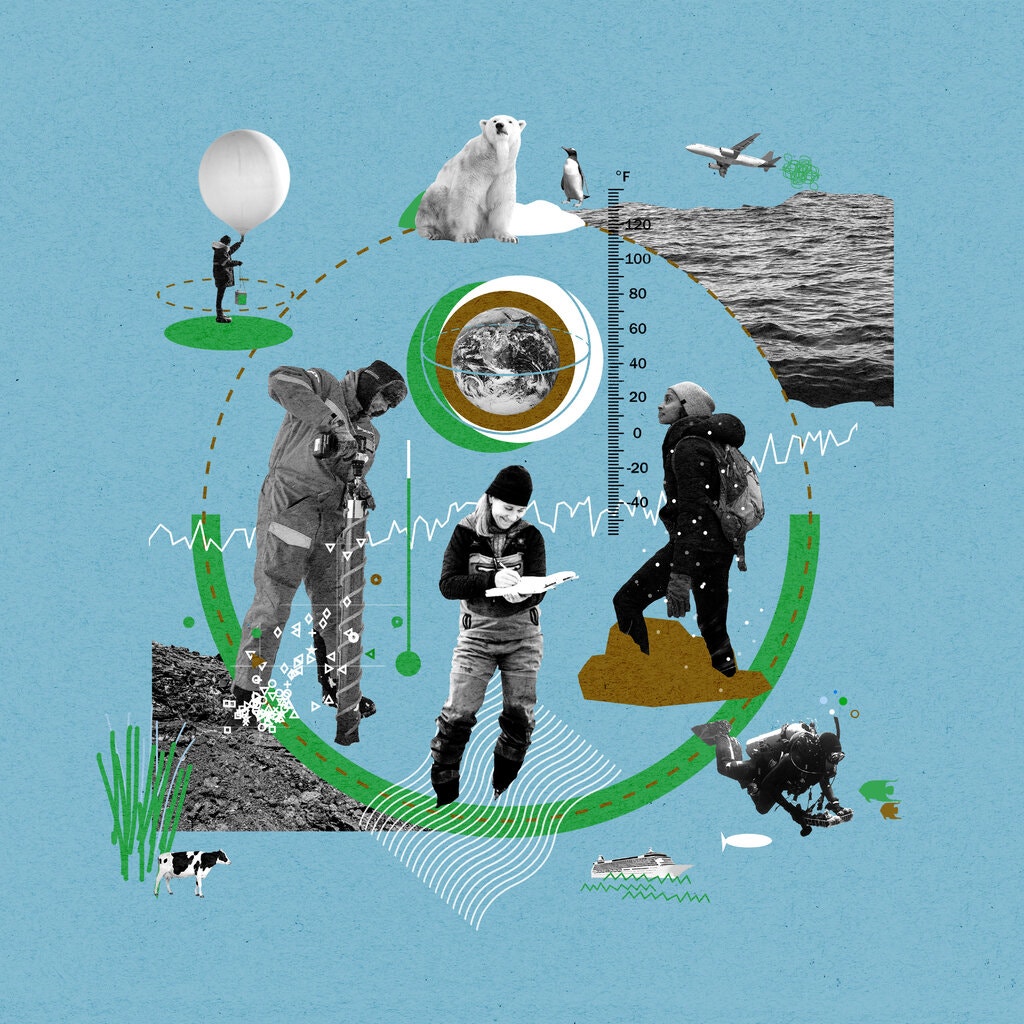
Global warming, the rise in Earth’s average temperature, is the primary driver that initiates the broader set of changes known as climate change.
Quick Answer
Global warming refers to the long‑term increase in average surface temperatures caused mainly by human‑emitted greenhouse gases. Climate change encompasses the full suite of alterations—including shifting precipitation patterns, more extreme weather, sea‑level rise, and ecosystem disruptions—that result from that warming, together with natural factors. Scientists are highly confident that the observed warming is the leading trigger of today’s climate change, though natural variability adds uncertainty to the exact timing of specific impacts.
Key Takeaways
- Global warming is the temperature increase driven primarily by anthropogenic greenhouse gases.
- Climate change includes warming plus changes in precipitation, extreme events, sea level, and ecosystems.
- The Intergovernmental Panel on Climate Change (IPCC) reports that Earth has warmed about 1.2 °C since the late 1800s.
- Human activities are the dominant cause of the recent warming trend, while natural factors modulate the climate system.
- Mitigation targets the root cause—greenhouse‑gas emissions—whereas adaptation addresses the broader impacts of climate change.
What Is Climate Change vs. Global Warming: Which One Comes First??
Global warming describes the measurable rise in average surface temperature of the planet. It is quantified using global temperature records from surface stations, satellite observations, and ocean heat content analyses. Climate change is a broader term that captures all systematic changes in the climate system, including temperature, precipitation, wind patterns, ocean chemistry, and the frequency of extreme events. While the two phrases are often used interchangeably in public discourse, the scientific distinction matters: warming is the primary driver, but climate change is the resulting state of the Earth system.
How Does It Work?
1. Greenhouse‑Gas Emissions
Burning fossil fuels, deforestation, and industrial processes release carbon dioxide (CO₂), methane (CH₄), nitrous oxide (N₂O) and other gases. These gases absorb infrared radiation emitted by Earth’s surface, trapping heat in the lower atmosphere—a process known as the greenhouse effect.
2. Radiative Imbalance
When the amount of trapped heat exceeds the amount radiated back to space, a radiative imbalance occurs. The IPCC’s Fifth Assessment Report (AR5) estimates a net positive imbalance of roughly 0.6 W·m⁻² for the period 2011‑2020, driving temperature rise.
3. Temperature Increase (Global Warming)
The excess energy raises the average temperature of the troposphere and the upper ocean. NOAA’s Global Monitoring Laboratory reports atmospheric CO₂ concentrations of 419 ppm in 2023, the highest in at least 800,000 years, correlating with the 1.2 °C warming since pre‑industrial times.
4. Climate‑System Feedbacks
Warming initiates feedbacks that amplify or dampen changes. Examples include:
- Ice‑albedo feedback: melting ice reduces surface reflectivity, absorbing more solar energy.
- Water‑vapor feedback: a warmer atmosphere holds more water vapor, a potent greenhouse gas.
- Carbon‑cycle feedback: warming soils and oceans release additional CO₂ and CH₄.
These feedbacks expand the scope of change beyond temperature alone.
5. Emergence of Climate Change
As temperatures rise, atmospheric circulation patterns shift, precipitation regimes alter, and extreme events become more frequent. Sea‑level rise follows from thermal expansion of seawater and melting land ice. Together, these processes constitute the observable climate change.
What Does the Evidence Show?
Multiple, independent lines of evidence converge on the same conclusion:
- Instrumental records: Surface‑temperature datasets (e.g., NASA GISTEMP, NOAA) document a global mean increase of ~1.2 °C since 1880.
- Ice core and sediment data: Paleoclimate reconstructions reveal that current CO₂ levels exceed natural variability for the past 800,000 years.
- Attribution studies: Detection‑and‑attribution analyses by the IPCC attribute >95 % of the warming since 1950 to human activities.
- Observed impacts: Rising sea level (≈20 cm since 1900, as measured by tide‑gauges and satellite altimetry), shrinking Arctic sea ice, and shifting phenology of plants and animals corroborate model projections.
These observations are complemented by climate‑model simulations that reproduce the warming trend only when anthropogenic emissions are included, reinforcing the causal link.
Main Causes or Drivers
Direct Human Causes
Burning of coal, oil, and natural gas accounts for roughly 75 % of global CO₂ emissions (IEA, 2023). Agriculture contributes ~14 % of total greenhouse‑gas emissions, primarily through CH₄ from livestock and N₂O from fertilizer use.
Natural Influences
Volcanic eruptions, solar irradiance variations, and internal climate variability (e.g., El Niño–Southern Oscillation) modulate the climate system but have contributed only marginally to the long‑term warming trend identified by the IPCC.
Amplifying Feedbacks
Ice‑albedo and water‑vapor feedbacks amplify the initial warming, while carbon‑cycle feedbacks can release additional greenhouse gases, creating a positive feedback loop that accelerates climate change.
Environmental and Human Impacts
Environmental Impacts
- Accelerated glacier melt contributes to sea‑level rise and freshwater loss.
- Changes in precipitation patterns increase drought risk in arid regions and flood risk in monsoon‑affected zones.
- Ocean acidification, driven by CO₂ absorption, threatens coral reefs and shell‑forming organisms.
- Shifts in species ranges and phenology disrupt ecosystem services such as pollination.
Human Health and Social Impacts
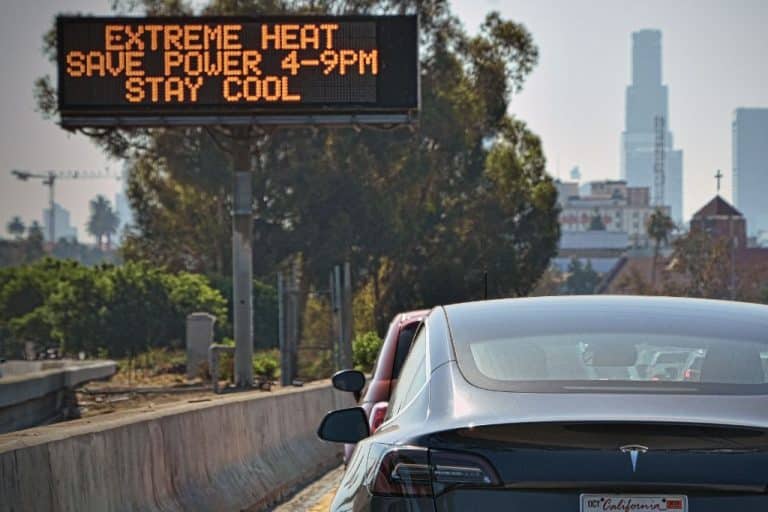
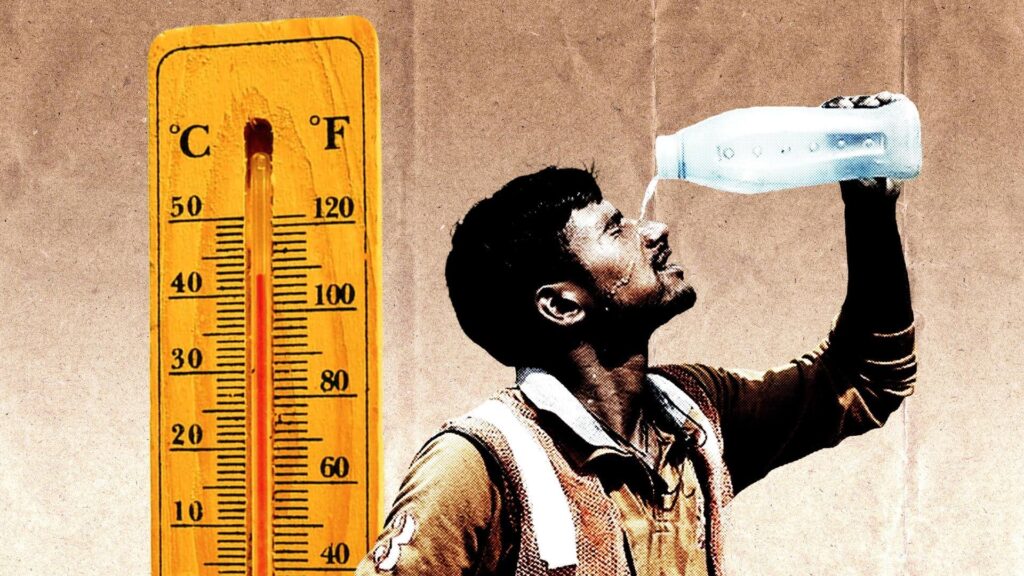
- Heat‑related mortality rises as extreme temperature events become more common.
- Air‑quality degradation from ground‑level ozone worsens respiratory conditions.
- Food security is threatened by altered growing seasons and increased pest pressures.
- Water scarcity intensifies in regions where precipitation declines and evaporation increases.
Economic and Infrastructure Impacts
- Coastal infrastructure faces heightened flood risk; the World Bank estimates that by 2050, 140 million people could be exposed to annual flooding.
- Insurance losses from climate‑related disasters have risen sharply over the past two decades.
Regional Differences
Impact magnitude varies with geography:
- Arctic: Warming is roughly twice the global average, leading to rapid sea‑ice loss and permafrost thaw.
- Tropical lowlands: Increased heat stress and intensified rainfall contribute to landslides and disease spread.
- Small island states: Sea‑level rise threatens habitability and fresh‑water supplies.
- Temperate agricultural zones: Shifts in crop suitability may require new varieties or altered planting dates.
What Scientists Know With High Confidence
What Scientists Know With High Confidence
- Human activities are the dominant cause of observed global warming since the mid‑20th century.
- The planet has warmed by about 1.2 °C relative to pre‑industrial levels.
- Warming drives most of the observed changes in precipitation, extreme weather, and sea level.
- Feedback mechanisms such as water‑vapor amplification are well‑established in both observations and models.
What Remains Uncertain
What Remains Uncertain
Key uncertainties centre on the magnitude of future feedbacks, especially carbon release from thawing permafrost and the response of cloud systems to warming. These gaps affect projections of long‑term temperature rise but do not alter the fundamental conclusion that current warming is human‑driven.
Common Misconceptions
Common Misconceptions
Misconception: Global warming and climate change are the same thing.
Reality: Global warming is the temperature increase; climate change includes all broader changes that result from that warming, such as altered rainfall and sea‑level rise.
Misconception: Climate change is caused only by natural cycles.
Reality: While natural variability influences short‑term fluctuations, the long‑term warming trend aligns with the rise in anthropogenic greenhouse gases, as demonstrated by attribution studies.
Misconception: Individual actions alone can stop climate change.
Reality: Personal choices matter, but systemic emissions reductions through policy, technology, and infrastructure are essential to curb the primary driver—global warming.
Solutions and Limitations
Effective responses combine mitigation (reducing emissions) and adaptation (building resilience). Major strategies include:
- Decarbonizing energy: Shifting to wind, solar, and nuclear reduces CO₂ but requires substantial grid upgrades and material inputs.
- Energy efficiency: Improving building envelopes and industrial processes cuts demand; the upside is immediate cost savings, yet retrofits can be capital‑intensive.
- Reforestation and afforestation: Trees sequester carbon, but land‑competition and long growth periods limit short‑term impact.
- Carbon‑capture technologies: Direct air capture offers potential removal, yet high energy use and cost remain barriers.
- Adaptation measures: Flood‑defense infrastructure, drought‑resilient crops, and early‑warning systems protect communities, but they do not reduce the underlying warming.
Each solution carries trade‑offs—economic, social, or environmental—that must be weighed in policy design.
What Individuals, Communities, and Governments Can Do
What Individuals Can Do
- Reduce personal energy use through efficient appliances and home insulation.
- Choose low‑carbon transportation options such as public transit, biking, or electric vehicles where feasible.
- Support policies and companies that prioritize renewable energy and sustainable practices.
What Communities and Organizations Can Do
- Develop local climate action plans that combine emissions cuts with adaptation projects.
- Invest in community renewable energy projects and district heating systems.
- Educate residents about heat‑risk mitigation and water‑conservation techniques.
What Governments Can Do
- Implement carbon pricing or emissions‑trading schemes to internalize the climate cost of fossil fuels.
- Set ambitious renewable‑energy targets and phase out coal subsidies.
- Fund climate‑resilient infrastructure, especially in vulnerable coastal and low‑income regions.
Synthesis
Global warming—driven primarily by human greenhouse‑gas emissions—acts as the catalyst that initiates the broader phenomenon of climate change. Robust observational records and attribution studies give scientists high confidence in this causal chain, while uncertainties remain around specific feedbacks and long‑term projections. Mitigation efforts that cut emissions, combined with adaptation strategies that protect societies, offer the most effective path forward. Understanding the distinction between warming and climate change clarifies why immediate emission reductions are essential, even as communities work to cope with the changes already underway.
Frequently Asked Questions
What is the difference between climate change and global warming?
Global warming refers specifically to the long‑term rise in average surface temperatures caused mainly by human greenhouse‑gas emissions, while climate change includes all systemic changes such as altered precipitation, extreme weather, sea‑level rise, and ecosystem shifts that result from that warming.
Which phenomenon occurs first: global warming or climate change?
Global warming occurs first; the increase in average temperature creates the energy imbalance that drives the broader set of changes collectively called climate change.
How much has the Earth warmed since the pre‑industrial era?
According to the Intergovernmental Panel on Climate Change, the global mean temperature has risen about 1.2 °C since the late 19th century, which is considered the pre‑industrial baseline.
What are the main human activities that cause global warming?
The primary human drivers are the combustion of coal, oil, and natural gas for energy (about 75 % of CO₂ emissions) and agricultural practices that emit methane and nitrous oxide, together accounting for the majority of recent greenhouse‑gas increases.
What actions can governments take to address global warming?
Governments can implement carbon pricing, set renewable‑energy targets, phase out coal subsidies, and invest in climate‑resilient infrastructure, all of which target the root cause—greenhouse‑gas emissions—while also preparing societies for inevitable climate impacts.





Leave a Comment