
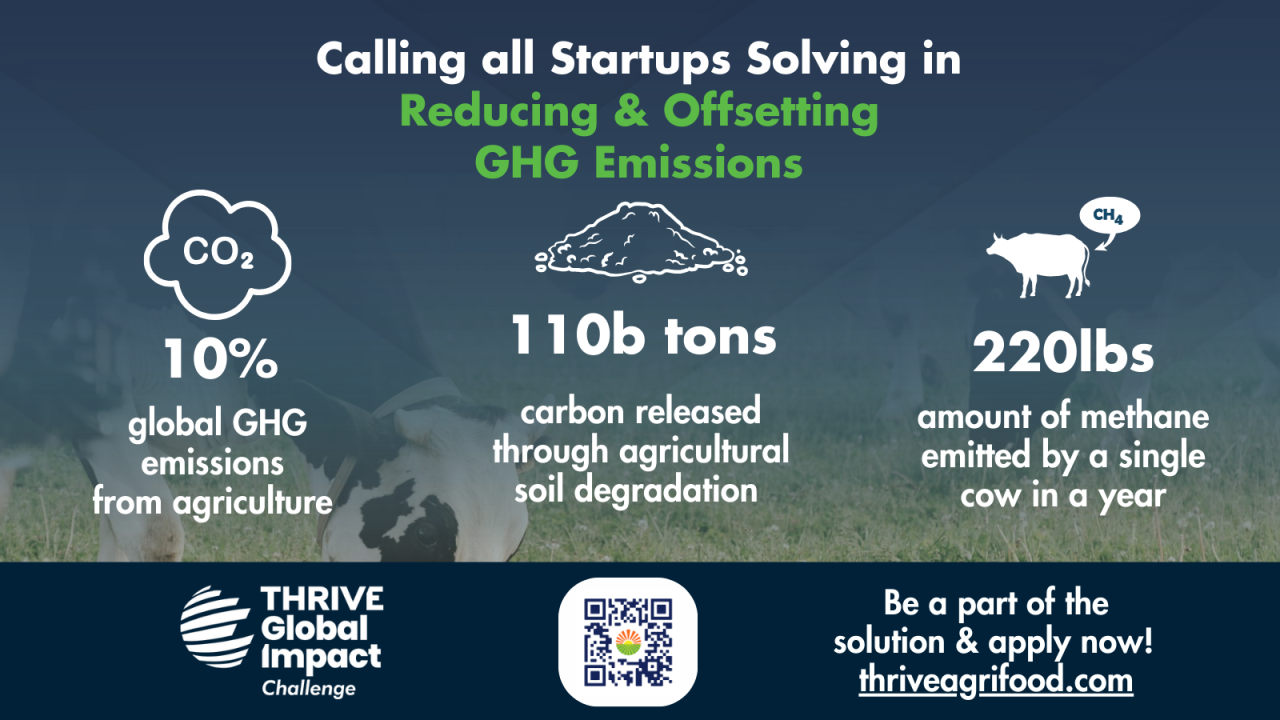
Carbon‑Smart Farming blends regenerative soil practices, precision technology and market incentives to turn farmland into a net carbon sink while maintaining food production.
Quick Answer
Carbon‑Smart Farming is a suite of management practices that increase the amount of carbon stored in soils and vegetation while reducing greenhouse‑gas emissions from inputs such as synthetic fertilizer and diesel. By adopting cover crops, reduced tillage, diversified rotations and integrated livestock, farms can sequester up to 0.5 t CO₂‑e ha⁻¹ yr⁻¹ and cut on‑farm emissions by 20‑30 % according to multiple peer‑reviewed studies. The approach is supported by strong evidence from long‑term field trials, but the exact magnitude varies with climate, soil type and management intensity, creating modest uncertainty about global scaling potential.
Key Takeaways
- Soil organic carbon can be increased through regenerative practices, turning fields into carbon sinks.
- Precision agriculture reduces input waste, lowering nitrous‑oxide and methane emissions.
- Economic incentives such as carbon credits improve farmer adoption rates.
- Evidence from the IPCC, FAO and peer‑reviewed meta‑analyses confirms measurable sequestration, though outcomes differ regionally.
- Trade‑offs include possible yield adjustments, equipment costs and the need for supportive policies.
What Is Carbon‑Smart Farming: How Agriculture Can Cut Emissions?
Carbon‑Smart Farming refers to agricultural systems that deliberately manage soils, crops and livestock to maximise carbon sequestration while minimising emissions of carbon dioxide (CO₂), nitrous oxide (N₂O) and methane (CH₄). It encompasses regenerative practices (e.g., cover cropping, no‑till, agroforestry), technology‑driven input optimisation, and economic mechanisms such as carbon markets. Unlike conventional intensive farming, which often relies on high‑energy inputs and monocultures, carbon‑smart approaches view the farm as both a food producer and a climate‑mitigation asset.
How Does It Work?
1. Enhancing Soil Carbon through Biological Inputs
Living roots deposit organic matter into the soil. Cover crops protect the surface, add biomass, and stimulate microbial activity that transforms plant residues into stable humus. No‑till or reduced‑till systems limit oxidation of existing carbon, preserving the stock.
2. Diversifying Rotations and Integrating Livestock
Rotating cereals with legumes reduces synthetic nitrogen fertilizer demand because legumes fix atmospheric N₂. Integrating livestock returns manure to the field, recycling nutrients and providing additional carbon inputs through undigested plant material.
3. Precision Management of Inputs
Satellite imagery, soil‑moisture sensors and variable‑rate applicators allow farmers to apply water, fertilizer and pesticides only where needed. This cuts N₂O emissions from excess nitrogen and reduces diesel fuel use.
4. Agroforestry and Perennial Systems
Planting trees or shrubs on cropland creates deeper root systems that store carbon over longer periods and moderate microclimates, reducing heat stress on crops.
5. Market and Policy Incentives
Carbon credit schemes assign monetary value to sequestered carbon, offsetting the upfront costs of new equipment or seed varieties. Government programmes may also subsidise training and monitoring tools.
What Does the Evidence Show?
Multiple lines of evidence converge on the potential of carbon‑smart practices. Long‑term trials in the United States Corn Belt (e.g., the USDA’s Conservation Effects Assessment) report average soil carbon gains of 0.2–0.4 t C ha⁻¹ yr⁻¹ under continuous cover cropping. A 2021 meta‑analysis of 86 field experiments across temperate and tropical zones found that no‑till combined with residue retention increased soil organic carbon by 15 % over a decade, while reducing N₂O emissions by 30 % (Lal et al., *Science of the Total Environment*). The IPCC 2022 assessment states that “land‑based mitigation options, including regenerative agriculture, can collectively deliver up to 5 Gt CO₂‑e yr⁻¹ by 2050” – a figure consistent with FAO modelling of global adoption scenarios.
Main Causes or Drivers
Direct Causes
- Application of synthetic nitrogen fertilizer, which emits N₂O during nitrification and denitrification.
- Soil disturbance from plowing, which oxidises stored organic carbon.
- Enteric fermentation from confined livestock, releasing CH₄.
Underlying Drivers
- Economic incentives that reward short‑term yield over long‑term soil health.
- Lack of access to precision‑ag technology in low‑income regions.
- Policy frameworks that do not recognise carbon sequestration as a service.
Environmental and Human Impacts
Environmental Impacts
Increasing soil organic carbon improves water‑holding capacity, reducing runoff and erosion. Enhanced biodiversity in the rhizosphere supports pollinators and natural pest control. At scale, the cumulative sequestration potential helps limit global warming to 1.5 °C, as highlighted by the IPCC.
Human Health and Social Impacts
Reduced fertilizer use lowers nitrate leaching into drinking‑water sources, decreasing risks of methemoglobinemia and other health concerns. Diversified farms are often more resilient to price shocks, supporting rural livelihoods and food security.
Economic and Infrastructure Impacts
While the transition may require capital investment (e.g., seeders for cover crops, sensor networks), many studies report net cost savings within 3–5 years due to lower input purchases and higher soil fertility. However, smallholders without credit access may face barriers.
Regional Differences
In temperate North America and Europe, the main barrier is the cost of new equipment, but subsidies and carbon markets are increasingly available. In sub‑Saharan Africa, limited access to high‑quality seed and extension services constrains adoption, yet the soil carbon sequestration potential per hectare is higher because many soils are still low in organic matter. In South‑East Asia, rice–wheat systems benefit from alternate wetting‑and‑drying irrigation, which reduces CH₄ emissions by up to 50 % (FAO, 2020).
What Scientists Know With High Confidence
What Scientists Know With High Confidence
- Soil organic carbon stocks respond positively to reduced tillage and continuous organic inputs.
- Nitrous‑oxide emissions are strongly linked to excess synthetic nitrogen application.
- Precision agriculture can cut fertilizer use by 10–20 % without compromising yields in many cropping systems.
- Integrating legumes into rotations reduces the need for synthetic nitrogen by 30–50 % on average.
What Remains Uncertain
What Remains Uncertain
Key uncertainties include the durability of sequestered carbon under future climate stressors, the scalability of carbon‑credit verification in diverse smallholder contexts, and the net greenhouse‑gas balance when livestock integration is combined with high‑yield grain production. Long‑term, landscape‑scale monitoring is needed to refine estimates of permanent storage versus temporary gains.
Common Misconceptions
Common Misconceptions
Misconception: Carbon‑Smart Farming eliminates all farm emissions.
Reality: Practices substantially reduce emissions and add soil carbon, but they do not create a zero‑emission system; residual emissions from energy use and livestock persist.
Misconception: Only large industrial farms can adopt carbon‑smart methods.
Reality: Smallholder farms can implement low‑cost techniques such as inter‑cropping, mulching and manual cover‑crop sowing, which also deliver carbon benefits.
Misconception: Soil carbon sequestration is a permanent solution.
Reality: Carbon stored in soils can be released if management reverts to intensive tillage or if extreme climate events cause erosion.
Misconception: Carbon credits guarantee profit for any farmer.
Reality: Credit prices vary by market, and verification costs can outweigh benefits for very small farms without aggregation mechanisms.
Solutions and Limitations
Carbon‑Smart Farming combines mitigation and adaptation strategies. Regenerative practices (cover crops, agroforestry) directly increase carbon sinks but may require yield trade‑offs during transition years. Precision technology reduces input waste yet demands data infrastructure and technical training. Policy incentives accelerate uptake but can be unevenly distributed, risking inequity. Each solution must be evaluated for local soil type, water availability, market access and socio‑economic context.
What Individuals, Communities, and Governments Can Do
What Individuals Can Do
- Choose food certified as produced with regenerative or carbon‑smart methods.
- Support local farms that practice cover cropping or agroforestry through direct purchase or CSA memberships.
- Advocate for transparent carbon‑credit standards in consumer markets.
What Communities and Organizations Can Do
- Establish farmer field schools that demonstrate low‑cost carbon‑smart techniques.
- Form cooperatives to share precision‑ag equipment and aggregate carbon‑credit sales.
- Develop community‑based monitoring programs using open‑source soil carbon tools.
What Governments Can Do
- Integrate soil carbon accounting into national greenhouse‑gas inventories (as recommended by the IPCC).
- Provide subsidies or tax incentives for cover‑crop seed, no‑till implements and sensor networks.
- Design transparent, verifiable carbon‑credit schemes that reward smallholders and protect against leakage.
Synthesis
Carbon‑Smart Farming reframes agriculture from a net emitter to a climate ally by enhancing soil carbon, cutting synthetic inputs and leveraging technology. Robust scientific evidence confirms measurable sequestration and emission reductions, though outcomes differ by region, soil type and management intensity. Remaining uncertainties centre on long‑term permanence and market mechanisms. By coupling proven practices with supportive policies and community engagement, the sector can contribute meaningfully to global mitigation goals while strengthening food security and rural resilience.
Frequently Asked Questions
What is carbon‑smart farming?
Carbon‑smart farming is a set of agricultural practices—such as cover cropping, reduced tillage, diversified rotations and precision input management—that increase carbon stored in soils and vegetation while lowering greenhouse‑gas emissions from fertilizer, diesel and livestock.
How much carbon can a typical farm sequester with these practices?
Field studies show that well‑managed farms can sequester up to 0.5 tonnes of CO₂‑equivalent per hectare each year, though actual rates depend on climate, soil type and the specific combination of practices used.
What are the main barriers to adopting carbon‑smart methods?
Key barriers include upfront costs for new equipment or seeds, limited access to precision‑ag technologies in low‑income regions, and the lack of consistent policy incentives or carbon‑credit markets that reward sequestration.
Do carbon‑smart practices affect crop yields?
In many cases yields are maintained or even improved after an initial transition period, especially when legume rotations reduce fertilizer needs. However, short‑term yield dips can occur if farmers do not adjust management to the new practices.
How can consumers support carbon‑smart farming?
Consumers can purchase products certified as regenerative or carbon‑smart, join community‑supported agriculture programs that use these methods, and advocate for transparent carbon‑credit labeling in food markets.










Leave a Comment