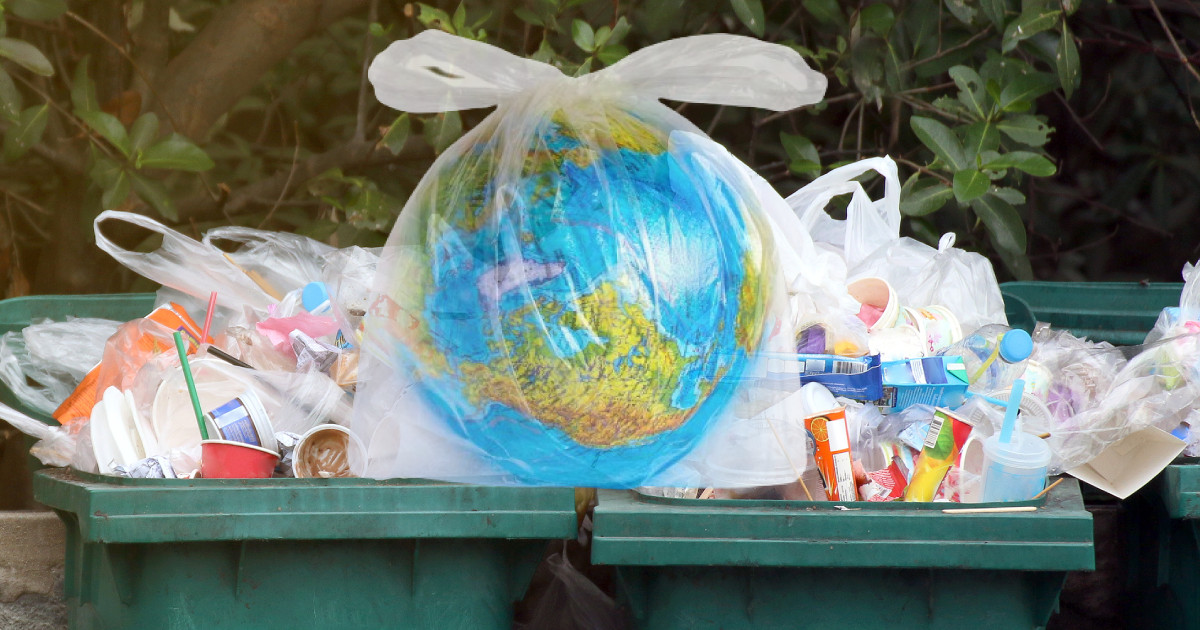
The global momentum towards banning single-use plastics has reached a notable threshold, with a staggering 75% of individuals worldwide expressing their support for such an initiative. This statistic does not merely serve as a marker of public sentiment; it signals a critical pivot in societal consciousness regarding environmental sustainability. Individuals from various demographics and geographies are increasingly recognizing the insidious effects of plastic waste on our ecosystems. As cities and nations grapple with the daunting dilemma of reducing plastic pollution, this overwhelming support for a ban is both encouraging and indicative of a burgeoning paradigm shift.
To comprehend the magnitude of this support, one must first delve into the pervasive nature of single-use plastics. These items, often designed with convenience in mind, are typically utilized for brief periods before being discarded. An average plastic bag, for instance, is used for mere minutes, but it takes centuries to decompose. This ephemeral utility belies the catastrophic long-term consequences that accompany such decisions. Plastics infiltrate oceans, choke wildlife, and decimate natural habitats, leading to an eerie imbalance in our ecological systems. While public awareness has grown, the intrinsic difficulty in mitigating this crisis has only highlighted the importance of collective action and engagement.
Examining the reasons behind widespread support for a ban sheds light on the evolving perspectives of consumers. Increased media coverage of plastic pollution—most recently amplified through social media platforms—has brought the issue to the forefront of public discourse. Visual documentaries showcasing marine life ensnared in plastic debris serve as visceral reminders of the impending calamity. Moreover, campaigns spearheaded by both grassroots organizations and large non-profits have adeptly articulated the urgent need for legislative reform, effectively mobilizing communities around the world.
Another crucial factor contributing to this support is the growing emphasis on plastic alternatives. Innovative and sustainable substitutes are emerging with impressive velocity, ranging from biodegradable materials to reusable containers. This ingenuity not only lessens the dependency on single-use plastics but also invigorates local economies through the promotion of green technologies. As individuals delve deeper into the realm of eco-conscious consumerism, they are increasingly keen on demonstrating their ethics through purchasing decisions. This shift is empowering, illustrating that the market can pivot when consumer demand harmonizes with sustainability.
The implications of a worldwide ban on single-use plastics extend far beyond individual actions and choices; they possess the potential to catalyze policy changes at foundational levels of governance. Legislators, prompted by public support, now face an onus to take decisive action. Countries such as Kenya and certain regions in Europe have already instituted bans and witnessed a measurable reduction in plastic consumption. These trailblazing actions set comprehensive frameworks that can inspire similar initiatives on a global scale.
However, while the support for a ban is palpable, the path is fraught with challenges. Industry pushback, primarily from manufacturers of plastic products, can stymie progress. These entities often wield significant political leverage and lobby against regulatory measures to protect their interests. It becomes imperative for advocates to counter such resistance by emphasizing the long-term economic and environmental benefits of transitioning to sustainable practices. By marrying ecological stewardship with economic viability, a win-win narrative can emerge, compelling even the most skeptical stakeholders to reassess their positions.
Community engagement plays a pivotal role in fortifying this movement. Environmental activism thrives in grassroots campaigns that galvanize public involvement. Local clean-up events, educational workshops, and advocacy meetings nurture a sense of collective responsibility. These initiatives not only heighten awareness but also bolster a sense of unity in the face of a common threat. Furthermore, educational programs tailored for schools can instill a deep-rooted understanding of the environmental implications of plastic waste in younger generations. Building a culture rooted in sustainability ensures that the future remains vigilant against the resurgence of single-use plastics.
Simultaneously, the dialogue surrounding a ban must account for equity and accessibility. It is crucial to ensure that alternatives to single-use plastics are affordable and available to all, particularly in marginalized communities. Advocacy should prioritize equitable solutions that do not disproportionately burden economically vulnerable populations. By making sustainability inclusive, support for a ban can transcend socioeconomic divides and unify disparate voices in the quest for a cleaner planet.
As we stand at a crossroads, with significant public support for a ban on single-use plastics, it is essential to harness this momentum for meaningful change. Each voice matters in this collective effort, and it is imperative to weave these narratives of concern, hope, and action into the fabric of legislative agendas. The promise of a cleaner, more sustainable future tantalizes us with its potential. By understanding the impact of our choices and supporting systemic change, we can reshape our planet’s destiny.
This is not merely about banning plastics; it’s an invitation to envision a world where responsibility, innovation, and community spirit converge. As the tide turns against single-use plastics, one can only wonder—what kind of legacy will we create for generations to come? As support for a ban grows, so does the possibility of a world transformed, and therein lies both the challenge and the promise that beckons us forward.










Leave a Comment