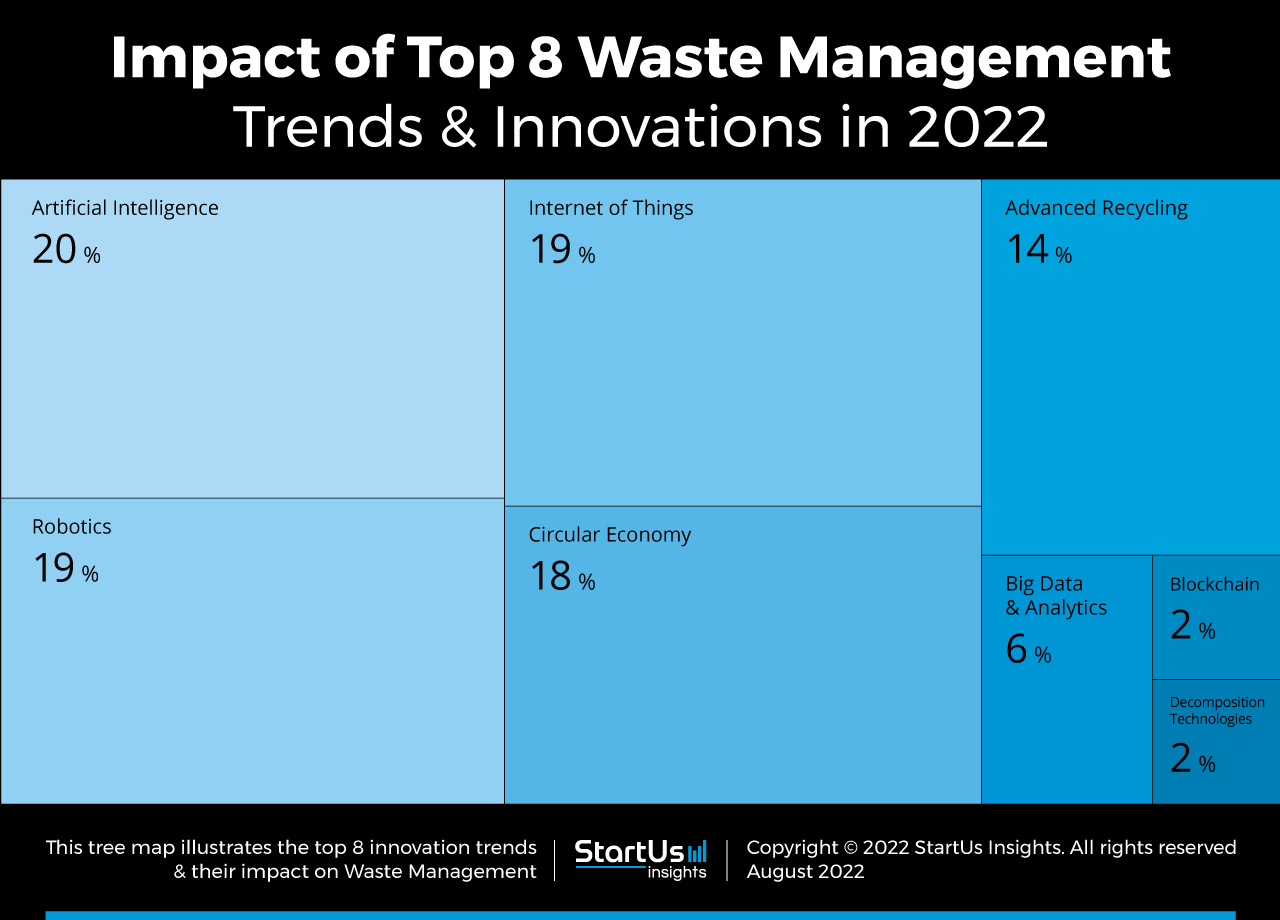
The escalating specter of waste accumulation has become an insistent focal point for both consumers and businesses across the globe. It is a multifaceted challenge; not merely an issue of refuse management but a pronounced symbol of societal values and our contemporary relationship with consumption. As we advance towards 2025, a cohort of innovative enterprises has emerged, not just to grapple with waste but to subvert it into opportunities for progress and sustainable development. In this narrative, we shall delve into four exemplary businesses that have admirably embraced this mission, illustrating how they reflect larger societal shifts and underpin the transformative power of environmental stewardship.
1. TerraCycle: Transforming Trash into Treasure
Ever since its inception, TerraCycle has championed a paradigm shift in waste management strategies. The company’s ethos revolves around a simple yet profound concept: reclaiming waste streams that are typically relegated to landfills and incinerators. They have forged partnerships with numerous municipalities and corporations to develop recycling solutions for hard-to-recycle materials. By reincarnating waste into new products—ranging from backpacks made from recycled juice pouches to eco-friendly gardening materials—TerraCycle illustrates that waste need not be an endpoint but a valuable resource. This operational model captivates because it not only addresses environmental degradation but also resonates with a growing consumer base that is increasingly mindful of its ecological footprint.
What fuels TerraCycle’s fascination is its multi-tiered approach. They engage communities in robust waste diversion campaigns, inspiring collective action that rests on awareness and accountability. The depths of their philosophy provoke reflection—if refuse can be transformed into valuable commodities, what other societal notions could benefit from such a reframing?
2. Loop: The Circular Economy in Action
Loop, an ambitious venture by the innovative minds at TerraCycle, transposes the linear economy into a circular paradigm. In essence, Loop reimagines product packaging. Their model eradicates single-use containers, replacing them with durable, reusable alternatives. Customers receive their favorite products in exquisite, returnable packaging, which they can subsequently refill or return, thereby sidestepping the throwaway culture that has permeated modern life.
At the heart of Loop’s business model lies a profound observation: consumption doesn’t inherently entail disposability. Instead, Loop entreats consumers to engage in a relationship with their products that is more enduring. The implications of this practice encapsulate a broader cultural shift where convenience and environmental consciousness can coalesce, thereby nurturing a collective identity centered around sustainability. As the populace gravitates towards waste-free shopping experiences, it reveals an internal yearning to repair our fractured relationship with natural resources.
3. Bio-bean: Coffee Waste Reimagined
In an era where coffee consumption is ubiquitous, the resultant waste has also surged. Bio-bean identified this peculiar dilemma and has ingeniously transformed coffee grounds into value-added products, such as coffee logs, which can be used as biomass fuel. This innovative initiative not only diverts vast quantities of organic waste from landfills but also introduces a sustainable energy source into the market.
The hallmark of Bio-bean’s success lies in its ability to interlace an ordinary pleasure—coffee drinking—into a sustainable narrative that compels consumers to reconsider their daily habits. By facilitating the transformation of organic waste into an energy source, Bio-bean emphasizes potential in the remnants of daily life. The enterprise incites curiosity; it hints at the latent capabilities in what we might dismiss as mere refuse and invites a collective reckoning with the importance of resourcefulness in our consumer practices.
4. Wasteless: Intelligent Inventory Management
Wasteless stands as a testament to the growing realization that technological innovation can serve as a formidable ally in waste management. By employing advanced algorithms and data analytics, Wasteless aids retailers in optimizing their inventory and minimizing surplus. Their platform offers dynamic pricing strategies that respond to product freshness, enabling retailers to sell items before they become obsolete.
This sophisticated melding of technology with traditional industry practices unveils a profound revelation about waste: often, it stems from a lack of information. Wasteless’s approach demystifies inventory management, shedding light on how data-driven strategies can enhance operational efficiency while simultaneously promoting sustainability within supply chains. Such advancements posit a tantalizing inquiry into the future of environmental management—what further efficiencies can be mined from the interplay of technology and resource conservation?
Throughout the tapestry of these four enterprises, a common thread emerges: the acute recognition that waste is not merely a nuisance but rather a complex tapestry woven into the fabric of modern existence. These businesses embody not only innovative strategies to confront the tidal wave of refuse but also a deeper philosophical engagement with consumption and resource utilization.
As we march inexorably towards 2025, it becomes glaringly evident that the battle against waste is not a solitary endeavor. It requires collaboration, ingenuity, and a willingness to rethink long-held beliefs about consumption. By fostering a profound understanding of waste’s potential, these pioneering companies invite us to reconsider how we view our material world—a world that not only houses our needs but could also illuminate pathways towards a more sustainable future. Each initiative is a hinge upon which society can pivot toward a more thoughtful and organic relationship with the resources that sustain us.











Leave a Comment