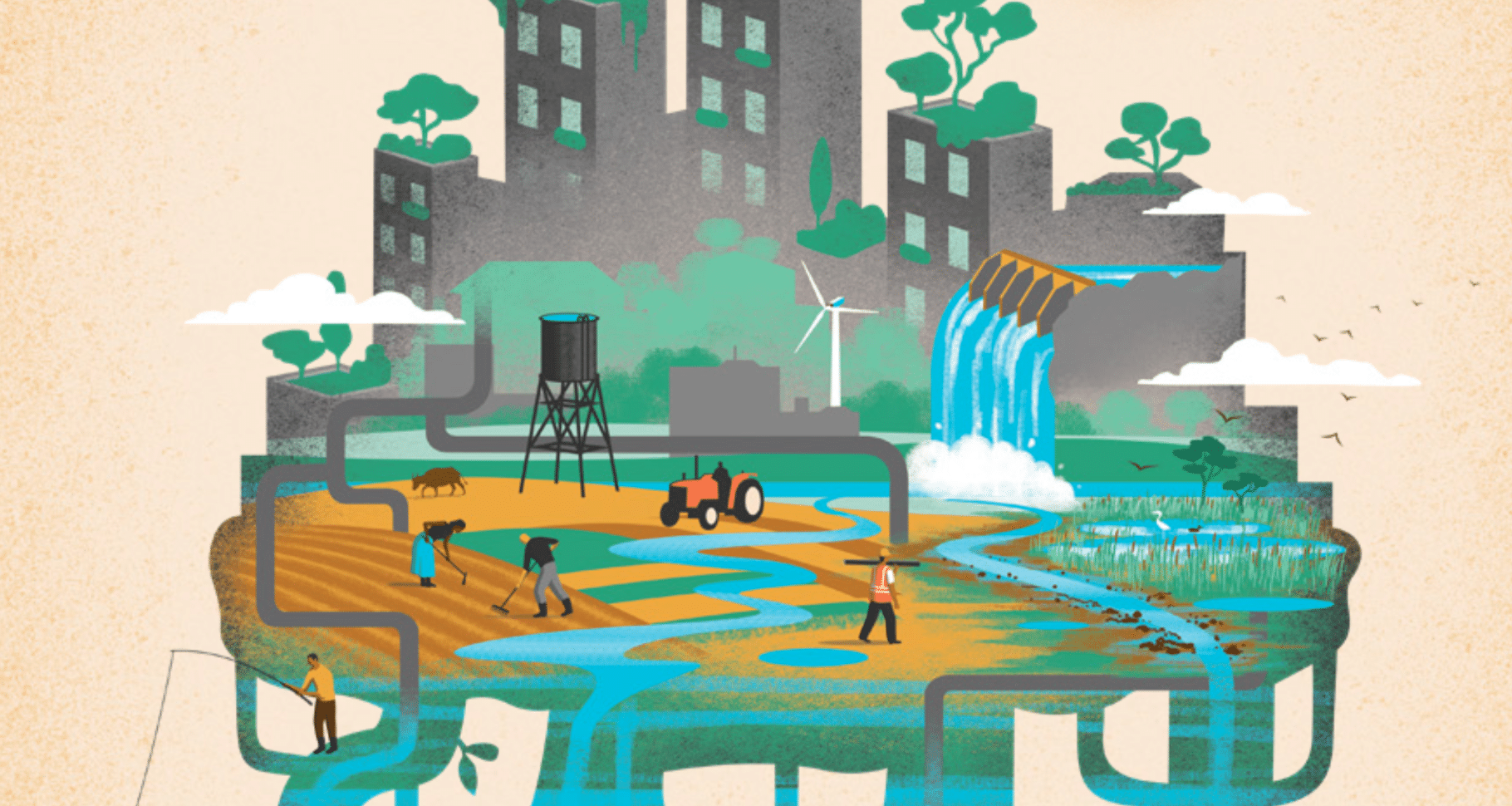
Water has always been a vital resource for survival, but the accelerating strain on this precious commodity has reached troubling heights in recent years. Today, an estimated 3 billion people are engulfed in the dire consequences of water shortages, a situation exacerbated by myriad factors stemming from climate change. The following exploration delves into the nuances of this dilemma, illustrating the profound implications for humanity and the planet.
1. The Mechanisms Behind Water Scarcity
The intricate web of factors contributing to global water shortages is complex. At its core, climate change propels the already precarious balance of hydrological cycles. Rising global temperatures, driven by human activities, ensure that evaporation rates supersede precipitation, leading to a precarious deficit in freshwater availability. Regions that were once fertile and able to support vast populations are now increasingly vulnerable to drought—a phenomenon characterized by extended periods of abnormally low rainfall.
Moreover, climate change precipitates erratic weather patterns, leading to violent storms and floods in some areas while leaving others to languish under relentless drought conditions. Such disparities in rainfall not only threaten agricultural productivity but also significantly compromise water supply systems, draining reservoirs and aquifers faster than they can be replenished.
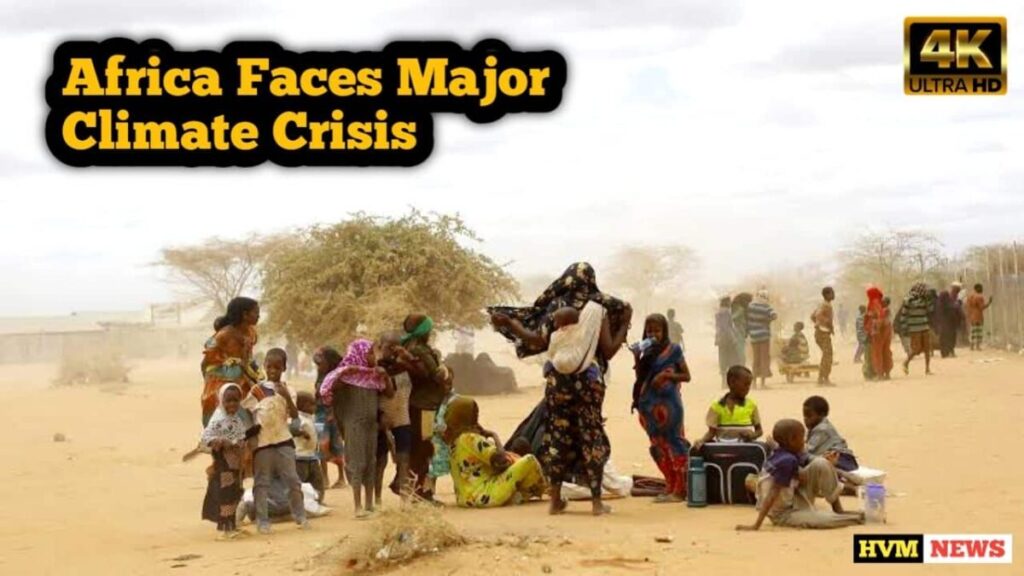
The geographical implications are equally alarming. Water-stressed regions, often in the Global South, are disproportionately burdened. Here, Fragile ecosystems struggle to support the basic needs of their populations. Desolate landscapes, once vibrant, now tell tales of desperation. In many parts of Africa and Asia, water scarcity is not merely an inconvenience; it is an existential threat.
2. Societal Consequences of Water Shortages
The ramifications of diminished water access extend far beyond mere inconvenience. Access to clean water is intrinsically linked to health, education, and economic stability. As water resources dwindle, so too does public health. Waterborne diseases flourish in unsanitary conditions, particularly in regions where access to clean drinking water is a luxury rather than a right. Children, often the most affected, become susceptible to illnesses, which hinder educational attainment and perpetuate the cycle of poverty.
In addition to public health crises, the repercussions extend to food security. Agriculture, the backbone of economies in many developing nations, is fundamentally reliant on consistent and sustainable water supply. Crop failures due to insufficient rainfall lead to soaring food prices and malnutrition, further exacerbating social instability. With hunger and desperation rising, communities may become hotbeds for conflict and migration as individuals seek better circumstances, often at great peril.
The psychological toll cannot be overlooked. The stress of living in a water-scarce environment engenders a pervasive sense of anxiety and hopelessness among populations deprived of this basic necessity. Furthermore, as competition for limited resources intensifies, societal cohesion may fray, unraveling the intricate social fabric that binds communities together.
3. The Response: Mitigation and Adaptation Strategies
Faced with such calamitous forecasts, both governmental and non-governmental organizations are galvanizing to implement adaptive strategies aimed at mitigating water scarcity. Rainwater harvesting, an ancient practice reimagined for modern application, is gaining traction as communities look to capture and store rainfall for dry spells. Such inventive solutions reflect a growing recognition of the need for holistic water management strategies that emphasize sustainability and efficiency.
Furthermore, the use of technology in water conservation is reaching new heights. Innovative irrigation techniques, like drip and sprinkler systems, emerged as invaluable tools for maximizing water use in agriculture, reducing unnecessary waste. Smart technologies, including remote sensing and artificial intelligence, are being deployed to optimize water resource management, enabling proactive responses to changing conditions.
On a policy level, governments must commit to the sustainable management of shared water resources, particularly in regions where transboundary waters are a source of contention. Collaborative frameworks can foster cooperation, ensuring that water is equitably distributed among various stakeholders. By implementing policies that prioritize conservation, water-efficient technologies, and climate resilience, nations can significantly alter the trajectory of water scarcity.
4. The Global Community’s Role
Every individual has a role to play in addressing the burgeoning water crisis. From advocacy to conscious consumption practices, small changes can ripple outward to affect broader transformation. Global awareness must be raised concerning the urgent need for water conservation and the adoption of sustainable practices. Education serves as a cornerstone of this effort, empowering individuals and communities to recognize the intrinsic value of water and advocate for its appropriate management.
Conclusion
The staggering number of individuals affected by water shortages highlights the critical need for immediate and concerted action. Climate change is not a distant threat; it is a poignant reality shaping the lives of billions. As we navigate this multifaceted challenge, it becomes imperative to focus not just on immediate fixes but also on long-term solutions that encompass policy, community engagement, and sustainable practices. Only through a collaborative, concerted effort can we hope to secure a future where access to clean and sufficient water is not a privilege for the few but a fundamental right for all.









Leave a Comment