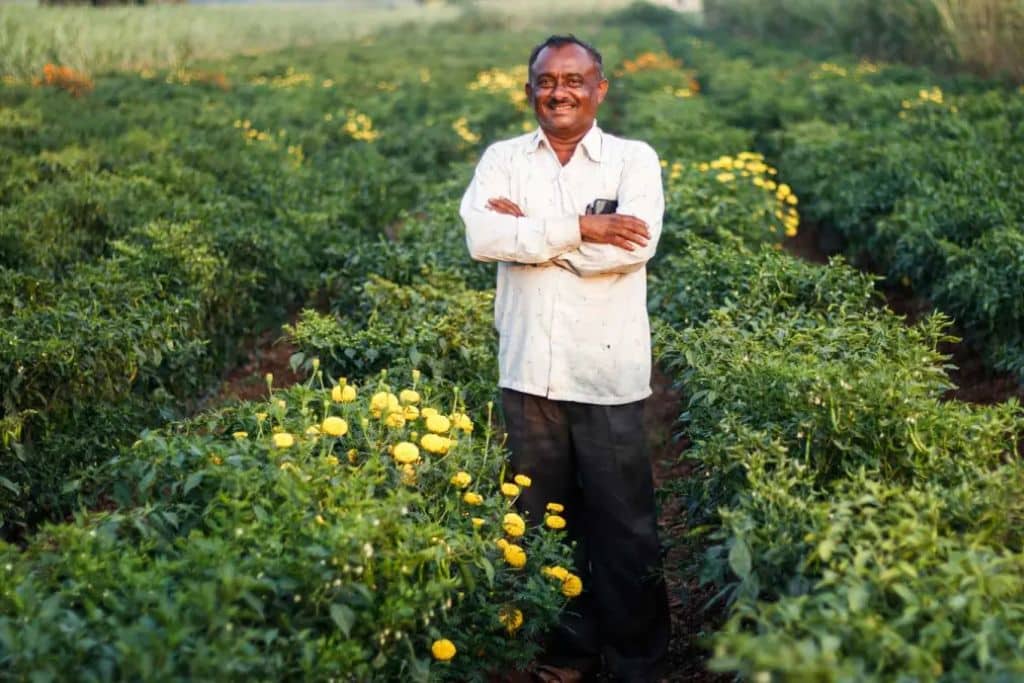
In the ever-evolving landscape of agriculture, where innovation often takes center stage, an age-old technique is quietly re-emerging—a technique that holds the potential to address contemporary ecological challenges. Trap cropping, once a widely utilized method, is experiencing a renaissance. This method, which involves strategically planting certain crops to attract pests away from main crops, is not just a relic of the past; it is a climate-smart solution that promises to enhance sustainability and resilience in farming practices.
The concept of trap cropping is deceptively simple. By cultivating specific plants that pests find more appealing than the cash crops, farmers can significantly reduce the need for chemical pesticides. This shift towards a more integrated pest management approach aligns seamlessly with the principles of ecological farming. In a world grappling with the consequences of climate change, the benefits of trap cropping extend beyond pest control; they also include soil health improvement, biodiversity enhancement, and reduced carbon footprints.
Beyond pest management, trap cropping serves as a key player in bolstering soil quality. Soil degradation is a pressing concern in modern agriculture; practices such as monoculture and reliance on synthetic fertilizers lead to nutrient depletion and erosion. By incorporating diverse plant species through trap cropping, farmers can enhance soil structure and fertility. Deep-rooted trap crops can help aerate the soil, while their varied root systems contribute to healthier microbial activity. This in turn fosters a robust ecosystem beneath the surface, which is essential for sustainable farming.
Moreover, trap cropping embraces the principles of biodiversity, fostering an environment where both cultivated and wild species can thrive. The balance of flora and fauna within an ecosystem is delicate, and the introduction of diverse crops can help maintain that equilibrium. Pollinators, beneficial insects, and natural pest predators are drawn to the varied landscape, enhancing the functional complexity of the environment. This diversity acts as a buffer against crop failure, as a wider array of species can adapt to climatic fluctuations, ensuring that agricultural systems remain productive even in the face of adversity.
The environmental repercussions of conventional farming practices are becoming increasingly apparent. For instance, the excessive reliance on chemical pesticides not only poses health risks to farmworkers and local communities but also results in the contamination of soil and waterways. The re-adoption of trap cropping emerges as a formidable alternative, reducing the chemical burden and promoting cleaner agricultural practices. Such a shift aligns with the broader movement towards regenerative agriculture, where the focus is on restoring ecosystems rather than depleting them.
Yet, the transition to trap cropping is not without its challenges. Farmers may initially hesitate to alter their practices, particularly if they have long relied on conventional methods. Education and outreach are paramount in this regard; sharing successful case studies and providing practical guidance can encourage adoption. Workshops, farmer co-ops, and agronomic advisers play critical roles in disseminating knowledge about the advantages of this technique. As farmers witness the trials and tribulations of early adopters, they may find inspiration to experiment with their own practices.
On a broader scale, governmental policies and incentives could catalyze the resurgence of trap cropping. Subsidies for eco-friendly practices, research funding, and the integration of sustainable practices into agricultural education programs can create a conducive environment for this ancient method to thrive. Partnerships between academics, farmers, and policy-makers could generate the momentum needed to widely implement trap cropping as a viable and effective strategy.
In addition to its environmental merits, trap cropping can also contribute to economic resilience for farmers. By minimizing reliance on costly chemical inputs, farmers can reduce operational expenses. Furthermore, the improved health of crops through effective pest management can lead to higher yields and better-quality produce. Consumers are increasingly inclined to support sustainable farming practices, creating a market for products cultivated with ecological integrity. This intersection of environmental sustainability and economic viability could position trap cropping as not only a responsible choice but a lucrative one.
As we reflect on the potential of trap cropping, it is essential to recognize its role in addressing the systemic challenges facing agriculture today. Climate change, biodiversity loss, and soil degradation are interlinked crises that require multifaceted solutions. Trap cropping stands at the forefront of this movement, providing a pathway towards a more resilient agricultural future. By honoring the wisdom of farming techniques from the past, we have an opportunity to cultivate a climate-smart agricultural system that nourishes both the earth and its inhabitants.
Ultimately, the comeback of trap cropping illuminates a profound truth: sometimes, the answers we seek lie not in the cutting-edge innovations of tomorrow, but in the forgotten wisdom of yesterday. By incorporating this age-old technique back into our agricultural toolbox, we can forge a more sustainable and equitable future for all. The time has come to recognize the significance of diverse cultivation strategies and the remarkable potential that lies within them.








Leave a Comment