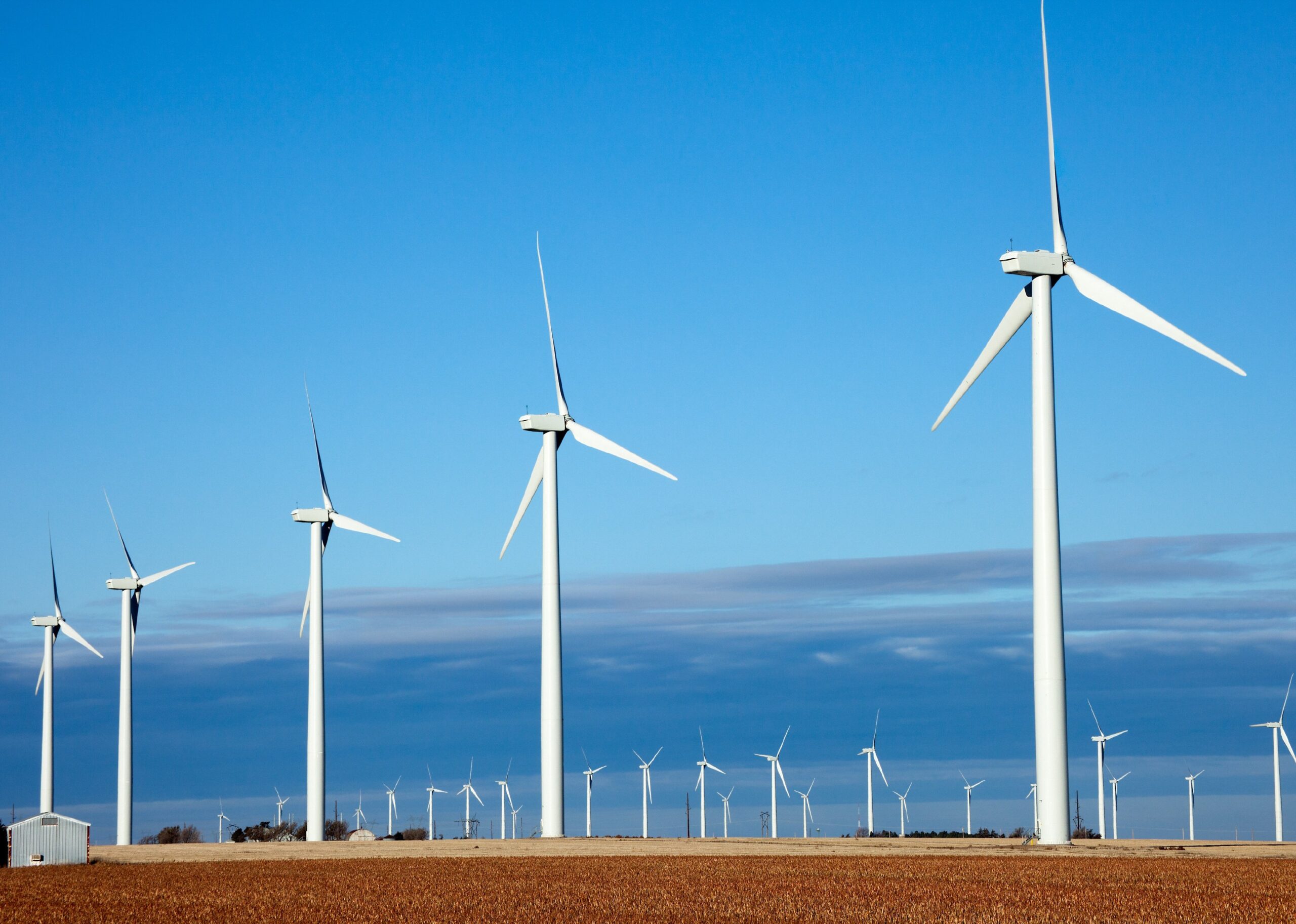
Wind energy, long hailed as a beacon of hope in our quest for sustainable energy sources, offers an extraordinary promise for the future. Among the numerous contenders vying for the title of the premier state for wind energy generation, one stands out with its considerable untapped potential: Kansas. The Sunflower State is not just a canvas of golden wheat fields; it’s an expansive landscape where the wind—the lifeblood of renewable energy—sweeps across the plains. In this exploration of untapped wind power potential, we will delve into why Kansas might hold the key to a greener tomorrow.
The sheer scale of wind energy potential in Kansas is staggering. Stretching across vast, unblemished landscapes with consistent, high-velocity winds, Kansas has been consistently identified as one of the top states in the U.S. for wind energy generation. The winds that buffeted the storied plains during the pioneer days now offer an entirely different promise: the power to generate electricity with minimal environmental impact. Kansas is currently positioned as the fourth state in wind energy potential, trailing only behind giants like Texas and North Dakota. Yet, a significant portion of this potential remains eerily dormant.
In the burgeoning discourse surrounding renewable energy, the narrative often gravitates towards the technological aspects of harnessing wind power—turbines, grid integration, and efficiency ratios. However, the crux of the matter lies in understanding the interplay between geographical advantages and infrastructural readiness. Kansas presents both a remarkable opportunity and a poignant case study of untapped resources. The winds that howl across its plains are not merely statistical data to be analyzed; they are a tangible, vital source of energy, waiting to be utilized more effectively.
So why, in a state so richly endowed with this natural resource, do we find ourselves conversing about untapped potential? The answer is multifaceted. One significant barrier remains: public awareness and governmental policy. While many residents understand the concept of renewable energy, there exists a disconnection between this understanding and the actual implementation of wind energy initiatives. This relay of information is crucial, as an informed populace is more likely to advocate for policies that align with sustainable practices. Furthermore, policies that incentivize investment in wind energy infrastructure are paramount. Without robust legislation in support of wind initiatives, many viable projects simply stagnate due to financial uncertainties.
The environmental implications of harnessing wind energy in Kansas cannot be overstated. This state, with its sprawling ecosystems and diverse wildlife, stands to benefit immensely from a shift toward renewable energy sources. Wind energy generation would lead to reduced greenhouse gas emissions, promoting cleaner air and aligning Kansas with climate initiatives aimed at curbing global warming. Transitioning to wind would not only safeguard the environment but would also foster a burgeoning green economy. Jobs in wind energy manufacturing, installation, and maintenance would catalyze growth, offering new opportunities in an ever-evolving job market.
As we cast an eye toward the future, the concept of energy independence emerges as one of the most enticing reasons for further investment in Kansas’ wind power potential. The state can significantly reduce its reliance on fossil fuels, which in turn translates to economic advantages, enhanced national security, and greater resilience against fluctuating energy prices. Such independence celebrates a thriving local economy, where energy generated from Kansas farms could potentially fuel Kansas homes, schools, and businesses. The notion of harvesting local resources to sustain local communities is an inspiring vision that harkens back to the principle of self-sufficiency.
Yet, the journey toward maximizing wind power potential in Kansas is not without its challenges. Overcoming local resistance and regulatory hurdles requires a concerted effort, merging grassroots movements with industrial stakeholders. Education campaigns that clarify how wind projects can coexist efficiently with agriculture, as well as outreach emphasizing the long-term benefits for communities, can break down inherent skepticism. When neighbors see tangible benefits—a new turbine generating jobs and putting money back into the local economy—they may shift their perspectives significantly.
The conversation about untapped wind energy must also grapple with the socio-political landscape. Public policy plays a critical role, and effective advocacy can spur legislative momentum. From state incentives that bolster renewable energy projects to improving grid connectivity that integrates wind energy into everyday consumption, mobilizing political will is essential. Engaging policymakers, industry leaders, and community representatives will lay the groundwork for a resounding transformation in Kansas’ energy landscape.
Transitioning towards a more wind-centric energy model is no mere fantasy; it is an achievable reality, ripe for the taking. For Kansas, the winds of change are not only compelling; they are urgent. As the discussion about climate change intensifies, the imperative to capitalize on the state’s natural wind resources grows stronger with each stormy gust. Embracing wind energy is not simply about harnessing power—it is about acknowledging a collective responsibility to preserve the planet and secure a sustainable future for subsequent generations.
In conclusion, as we contemplate where the greatest untapped wind power potential resides, Kansas emerges as a compelling candidate. By embracing its wind energy potential, the state could pave the way for a cleaner, more sustainable tomorrow. The exploration of this potential beckons not merely for acknowledgment but for action. Therein lies the challenge—and the opportunity. The winds of Kansas await; the time for harnessing their capacity is now.






Leave a Comment