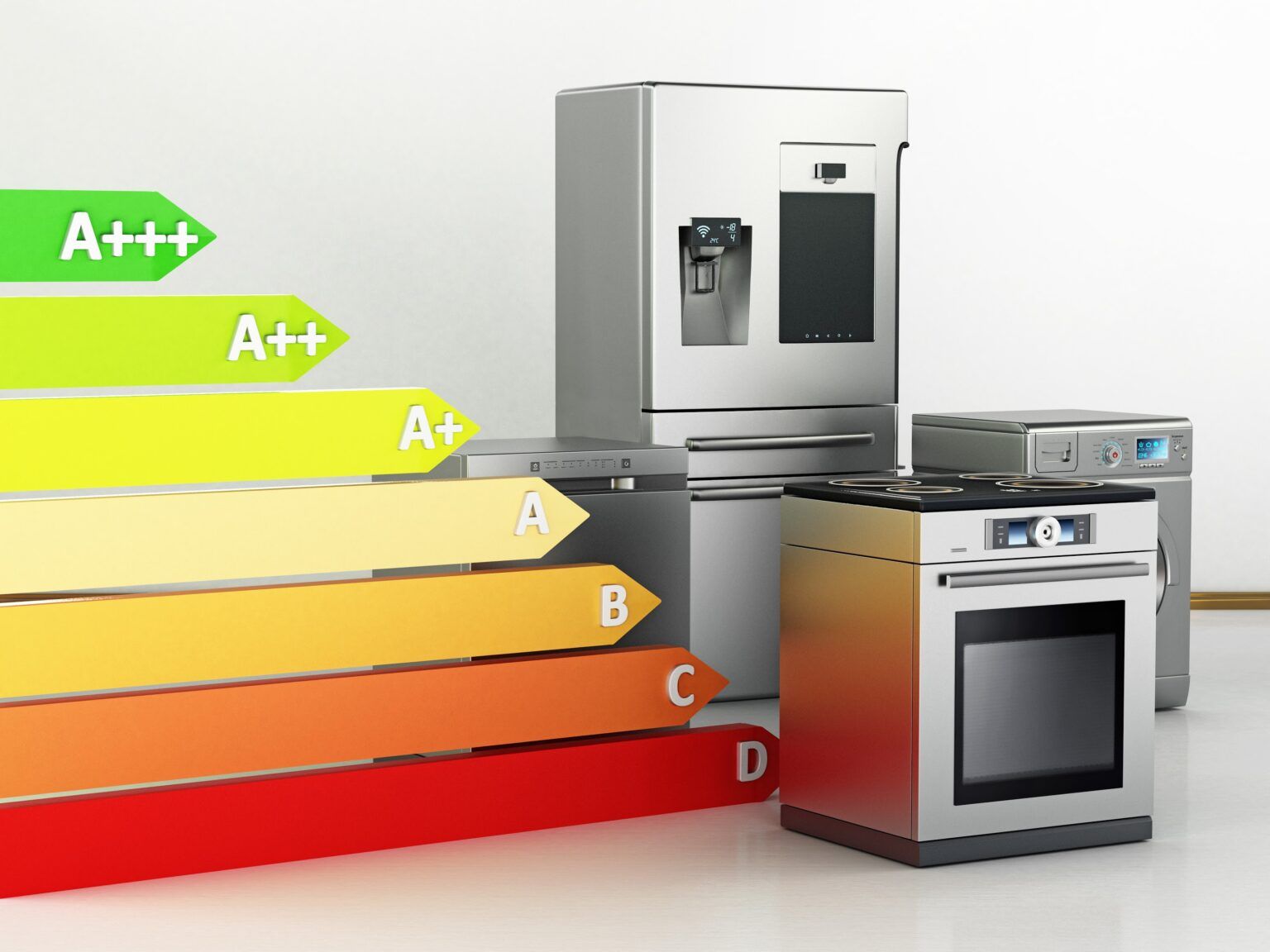
In an age where environmental consciousness burgeons, one might pose the playful question: which home appliance reigns supreme in the realm of energy efficiency? With the escalating concerns over climate change and soaring utility bills, this inquiry beckons not just curiosity but a deeper examination of our household habits. As we traverse this intricate labyrinth of modern conveniences, let’s unveil the contenders in the battle for energy efficiency.
The kitchen, often dubbed the heart of the home, is rife with numerous appliances vying for our attention. Amongst the most visible players in this arena are refrigerators, dishwashers, and ovens. Each of these appliances operates with distinct energy consumption profiles and specific tasks. Thus, the quest for the most energy-efficient model can appear formidable.
First, let us consider the refrigerator. The workhorse of any kitchen, it is perpetually humming to keep our perishables cold and fresh. The energy consumption of refrigerators can vary significantly based on their size, age, and technological advances. Modern, energy-efficient models can save homeowners upwards of 20% on their electricity bills compared to older ones. However, the question remains: does saving energy equate to being environmentally friendly? Can one truly measure efficiency solely on energy consumption, or should we include the materials used and the manufacturing process as well?
Dishwashers present an even more intriguing scenario. The conventional wisdom has long held that hand-washing dishes conserves more water. However, the latest Energy Star-rated dishwashers utilize considerably less water and energy per load than washing dishes by hand. Some models boast remarkable features like soil sensors, which optimize water use based on the grime level of the dishes. While they can be seen as a beacon of efficiency, there lurks a challenge: are we using them to their full potential? Full loads are essential; running an underfilled dishwasher can undermine its energy-saving capabilities.
Similarly, ovens often enter the discussion surrounding energy efficiency, particularly with the rise of convection models. Traditional ovens generate heat via elements, consuming significant energy in the process. On the other hand, convection ovens circulate hot air, reducing cooking times and temperatures, thus minimizing energy usage. The playful question returns: does the speed of cooking surpass the traditional method in terms of overall impact on energy consumption?
However, energy usage doesn’t solely hinge on individual appliance performance. The overall synergy of your home appliances dictates potential energy savings. For instance, pairing a high-efficiency refrigerator with an equally efficient dishwasher cultivates an ecosystem that significantly reduces energy expenditure. The art of strategic appliance selection plays a pivotal role in enhancing energy efficiency. But herein lies the paradox: in our pursuit of energy efficiency, are we inadvertently complicating our lives and choices? Are we merely trading one inconvenience for another?
Let’s not overlook ancillary appliances that can have a substantial impact on energy consumption. The seldom-discussed washing machine, for instance, has undergone a metamorphosis akin to that of its counterparts. High-efficiency models promise both improved washing cycles and reduced water use. However, the challenge here lies in the spin cycle—does one opt for a longer cycle for a more thorough cleanse, or do they prioritize a shorter cycle for energy savings? This conundrum sheds light on the complexities surrounding efficient appliance usage.
Nonetheless, the perception of energy efficiency does not rest solely in consumption metrics. The lifespan of appliances carries weight, too. An energy-efficient appliance that requires frequent repairs or has a short lifecycle can ultimately negate its energy-saving advantages. This brings us to the ultimate challenge: how do consumers gauge the longevity and reliability of their chosen appliances? Does the initial investment in energy efficiency yield fruit in the long run?
As we endeavor to dissect the intricacies surrounding household appliances, we arrive at an inevitable conclusion: energy efficiency is a multifaceted narrative. It is not solely about selecting the most efficient appliance but also about harmonizing these choices with sustainable practices. An appliance’s location, usage frequency, and even the user’s habits contribute to its overall impact on energy consumption. Are we prepared to embrace a holistic approach to energy efficiency, one that includes proper maintenance and strategic usage?
Moving beyond the realm of conventional appliances, we must consider the role of smart technology in our homes. Smart appliances promise enhanced efficiency through connectivity and data-driven insights. They allow for real-time monitoring and remote control, paving the way for optimized energy use. The most pressing question that arises is: in our quest for convenience, do we place a burden on our environmental obligations? Are we inadvertently creating a dependency that might yield unforeseen consequences?
The challenge of determining the most energy-efficient appliance is less about identifying a single victor and more about understanding the interconnected web of choices we make in creating an energy-efficient household. To be truly efficient requires consistent effort. It demands a commitment to education, an understanding of the appliances’ roles in our lives, and a willingness to pivot our habits towards more sustainable practices.
Ultimately, energy efficiency transcends numbers and statistics. It is about cultivating conscientious relationships with the tools that facilitate our daily lives. Only then can we aspire to make choices that not only benefit our wallets but also the environment that sustains us. The journey towards energy efficiency is as much about individual accountability as it is about selecting the right appliances. And as modern stewards of the earth, it is our responsibility to forge a path that embraces sustainability, sanctity, and intelligent decision-making.







Leave a Comment