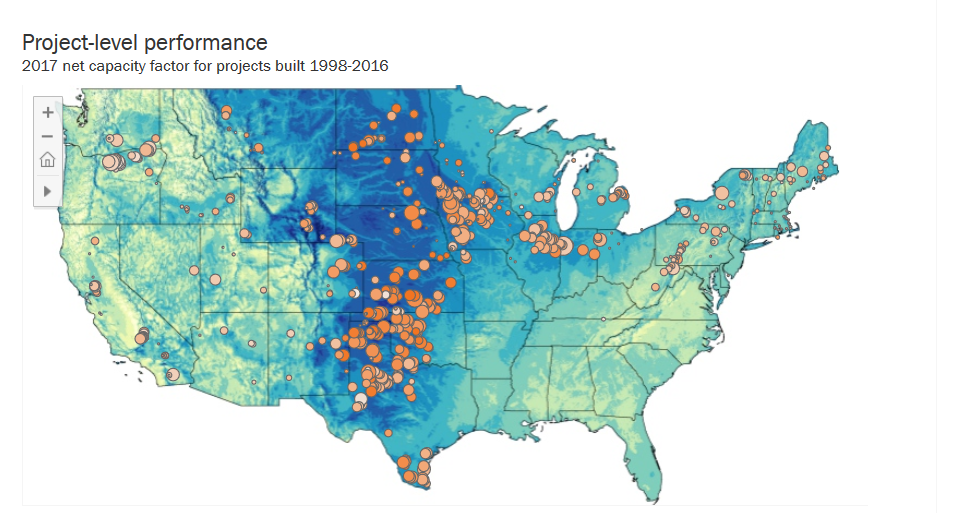
Wind energy has emerged as an indispensable facet of America’s renewable energy portfolio, performing an essential role in the country’s endeavor to transition from fossil fuels to cleaner, sustainable sources of power. This listicle embarks on a comprehensive state-by-state exploration of the United States’ wind energy landscape, examining the diverse implementations, ongoing projects, and remarkable contributions of wind energy across the nation.
1. Texas: The Pinnacle of Wind Energy
When discussing wind energy in the United States, Texas invariably comes to the forefront. As the unabashed leader in installed wind capacity, Texas harnesses its vast open spaces and favorable wind patterns. The state boasts over 30,000 megawatts of wind power, which translates to approximately 20% of its energy production. Notably, the Texas Panhandle features an array of colossal wind farms that dominate the landscape and contribute significantly to both local economies and sustainability goals.
2. Iowa: The Quiet Powerhouse
Iowa is often labeled the “quiet powerhouse” of wind energy. It ranks second in the nation for wind energy production, where wind accounts for nearly 42% of its electricity generation. The state’s strategic investments in wind technology and infrastructure have forged it into a template for how rural regions can leverage natural resources for economic advantage. Iowan farmers have ingeniously collaborated with developers, establishing wind farms that ensure stable income streams while promoting environmental stewardship.
3. Oklahoma: Ripe for Wind Development
Oklahoma has rapidly ascended in the ranks of wind energy production, now claiming the fourth spot nationally. The winds that sweep through the state are golden, providing a fertile ground for wind farm installation. Oklahoma has initiated ambitious projects, including the “Wind Catcher” initiative, aiming to harness the collective potential of the state’s wind corridors to deliver sustainable energy to millions. The economic ramifications are significant as well, fostering jobs and invigorating local communities.
4. Kansas: A Promising Future
Kansas, often described as the “breadbasket of America,” is also cultivating its reputation as a wind energy leader. With over 40% of its electricity generated by wind power, Kansas showcases the compatibility of agricultural endeavors and renewable energy. The Flint Hills region, in particular, is pivotal for wind energy, housing some of the state’s most efficient wind farms. The synergy between traditional agriculture and wind energy is a shining example of sustainable development.
5. Colorado: Embracing the Energy Transition
Colorado’s commitment to the transition to renewable energy is palpable. The state has set ambitious goals, aiming for 100% renewable energy by 2040. Wind energy plays a crucial role in this vision, contributing over 26% to the state’s energy mix. The Eastern Plains of Colorado are characterized by high-capacity wind farms, such as the Cedar Point Wind Farm, demonstrating the technological advancements and feasibility of large-scale wind generation in mountainous regions.
6. Wyoming: The Wild Frontier of Wind
Wyoming, with its expansive prairies and elevated terrains, is endowed with exceptional wind resources. Though it currently ranks lower in wind energy production, the state sees immense potential for growth in this sector. Projects like the “Energia Wind” initiative aim to capitalize on the strong winds, with future growth promising to significantly contribute to the state’s economy while fostering a commitment to environmental responsibility.
7. Minnesota: A Trailblazer in Wind Innovation
Minnesota has been at the forefront of wind energy since the late 1990s, becoming one of the first states to embrace wind as a substantial energy source. Approximately 17% of its energy comes from wind power, and the state is home to innovative programs that encourage local ownership of wind farms. The concept of community wind projects has proliferated, providing citizens with a tangible stake in renewable energy’s success while reinforcing local economies.
8. California: The Diverse Energy Landscape
While California is renowned for its solar power initiatives, wind energy still commands a notable presence in the Golden State. The Tehachapi Mountains and the Altamont Pass wind farms are iconic, serving as testaments to California’s diverse energy ambitions. Wind contributes around 12% to California’s energy output, demonstrating a balanced approach to meeting renewable energy goals through a multifaceted energy strategy.
9. New York: A Northeastern Leader
New York is making substantial strides in its transition to renewable energy, with wind energy projects strategically located in both onshore and offshore regions. The state’s current initiatives reflect a robust commitment to achieving a cleaner energy future, aspiring to generate half of its power from renewable sources by 2030. Wind farms dotting the upstate region symbolize New York’s determination to leverage its geographical advantages.
10. South Dakota: The Untapped Potential
South Dakota finds itself on the brink of a wind energy revolution, with an abundance of wind resources yet to be fully realized. Currently contributing around 30% of its energy from wind, exciting projects are emerging to enhance this capacity. Community solidarity and investment in renewable initiatives are invigorating local economies and fostering an appreciation for sustainable energy development.
As the United States continues to evolve its energy matrix, the contributions of wind energy are becoming increasingly undeniable. The diverse ways states harness wind power showcase the potential for sustainability, economic growth, and innovation. Each state’s unique geographic and socio-political landscape informs its approach to wind energy, revealing a rich tapestry of not only renewable practices but also the community-based narratives that accompany them. Wind energy is not merely a source of power; it is an integral component of a collective commitment to a sustainable and prosperous future.





Leave a Comment