Natural gas has often been touted as a cleaner alternative to coal or oil when it comes to generating electricity. Yet, as we peel back the layers of this seemingly benign energy source, one might ask: what’s really lurking beneath the surface? Are we, perhaps, getting too comfortable with an option that still poses significant environmental challenges? Let us explore the multifaceted issues surrounding the reliance on natural gas for power generation.
To delve into the conversation, it’s vital to understand what natural gas is and how it impacts our world. Composed mainly of methane (CH₄), this hydrocarbon is often heralded for its lower carbon emissions compared to its fossil fuel counterparts. However, its extraction and combustion are far from the panacea the energy sector might have us believe. While it may emit less carbon dioxide during combustion, what about the methane emissions that occur during the extraction and distribution processes?
Methane is a potent greenhouse gas, carrying a global warming potential significantly greater than carbon dioxide over a short time frame. The challenge posed by leaks in the natural gas supply chain is substantial. Studies have attached alarming statistics to these emissions, suggesting that leakage rates can range from 1% to over 7% in some regions. This scope of release can negate any climate advantages that natural gas has over coal if the leaks go unchecked. Conceivably, this raises a pivotal question: Can we justify the use of natural gas in our power plants when its environmental impact may be more severe than the alternatives?
Moreover, the extraction of natural gas through methods such as hydraulic fracturing—or fracking—introduces a host of additional complications. Fracking involves injecting high-pressure fluid into underground rock formations to free trapped gas. This process not only consumes massive amounts of water, thereby straining local resources, but also risks contaminating groundwater supplies. The toxic chemicals used in fracking fluid have been found in drinking water sources near drilling sites, posing serious public health risks. Is the potential for catastrophic water contamination an acceptable trade-off for generating electricity?
Furthermore, the infrastructure required for natural gas extraction, processing, and transport is extensive. Pipelines crisscross landscapes, often encroaching on delicate ecosystems and wildlife habitats. The construction and maintenance of these pipelines can lead to habitat fragmentation, further driving biodiversity loss. The moral question lurks quietly in the background: whose rights are we prioritizing—those of the ecosystem or those of industry? What lasting damage are we willing to inflict on nature in our quest for energy reliability?
Equally distressing are the social implications of natural gas extraction. Communities near drilling sites face increased risks to health and quality of life. From noise pollution to air quality degradation, residents report various negative impacts on their well-being. The promise of economic benefits from job creation and royalties frequently falls short in the long run, as the boom-and-bust cycles associated with fossil fuel economies leave communities vulnerable and destabilized. Are we prioritizing short-term gain over long-term stability and health?
The shift toward renewable energy sources seems an attractive alternative—one that could ensure energy independence while contributing to a sustainable future. Wind, solar, and geothermal energy are becoming increasingly viable options for power generation. They offer the dual benefit of mitigating climate change and protecting ecosystems. However, one must contend with the question: are we truly ready to relinquish our reliance on fossil fuels, even those deemed “cleaner” like natural gas? The transitional phase is fraught with obstacles, as the infrastructure, investment, and technology required for a complete shift to renewables are far from universally available.
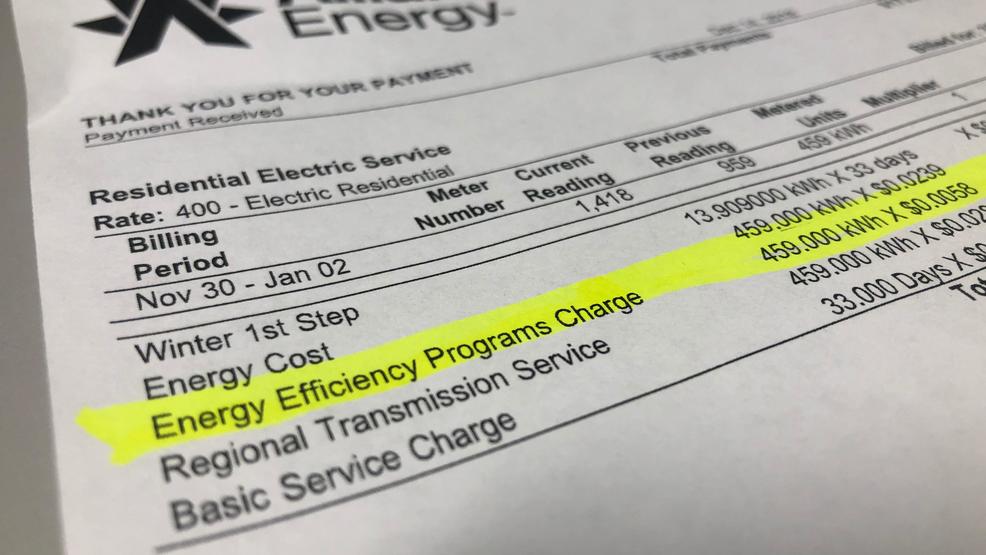
So, what can be done in light of these formidable challenges? One potential solution lies in enhancing energy efficiency across the board. By reducing overall energy consumption, we can lessen the need for natural gas and other fossil fuels. Investments in energy efficiency measures, coupled with stringent regulations on natural gas extraction and distribution practices, have the potential to mitigate some of the environmental and health risks associated with this energy source.
Another avenue to explore is the development of advanced technologies capable of capturing and storing methane emissions. While they won’t eliminate the risks entirely, they could represent a significant step toward reducing the environmental impact of natural gas facilities and operations. Yet, such technologies come with their own set of complications, often requiring substantial investment and regulatory support which can impede progress. Can we muster the political will necessary for these innovations to flourish?
In conclusion, while the allure of natural gas as a “bridge fuel” might be tempting, acknowledging the accompanying challenges is essential. From methane leakage to social disruption, the issues are complex and multifaceted. The drive toward a sustainable future hinges not only on the choice of energy sources but also on our capacity for innovation, societal commitment, and, perhaps most importantly, our willingness to confront uncomfortable truths about the impact of our energy choices. As we stand at a crossroads in the energy transition, a critical reflection is warranted: Is a shift to renewables the only logical course, or can natural gas coexist sustainably within a broader energy strategy? Only time, and our choices, will tell.








Leave a Comment