As humanity hurtles towards an uncertain future, one pressing question looms large: what percentage of the world’s energy comes from wind? The answer, while straightforward, unveils a complex tapestry of technological advancements, environmental commitments, and global dynamics that redefine our perception of energy sources. This exploration not only seeks to quantify wind energy’s current contribution but also to illuminate its transformative potential for our world.
To understand the scope of wind energy’s role in the global energy landscape, we must first contextualize it within the broader spectrum of renewable resources. As of recent assessments, wind power contributed approximately 7% of the total global electricity generation. This statistic, while seemingly modest, is a harbinger of a burgeoning shift towards sustainable energy solutions, demonstrating the potential of wind to ascend from its current standing.
Wind energy is often lauded for its myriad benefits. It is inherently clean, practically inexhaustible, and has the capacity to generate electricity without emitting greenhouse gases during operation. This positions wind as a critical component in the global shift towards decarbonization, aimed at curbing the disastrous effects of climate change. As nations grapple with the urgent necessity of climate action, the incremental increase in wind energy production signifies a broader commitment to sustainable practices, shifting the narrative from reliance on fossil fuels towards a cleaner, renewable future.
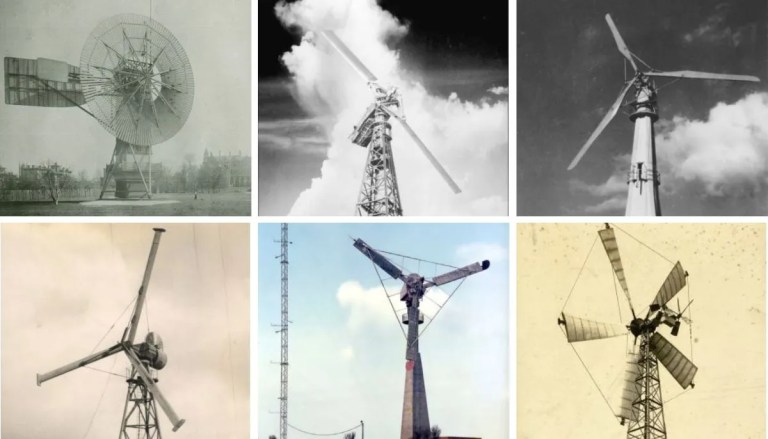
The growth trajectory of wind energy has been impressive. Over the past two decades, advancements in technology, such as larger turbines and sophisticated grid management systems, have propelled the capacity for wind generation. Countries like Denmark and Germany have emerged as vanguards, harnessing wind to provide significant portions of their electrical needs—sometimes exceeding 40% during favorable conditions. Such success stories offer a compelling vision of what is possible when political will and technological innovation converge.
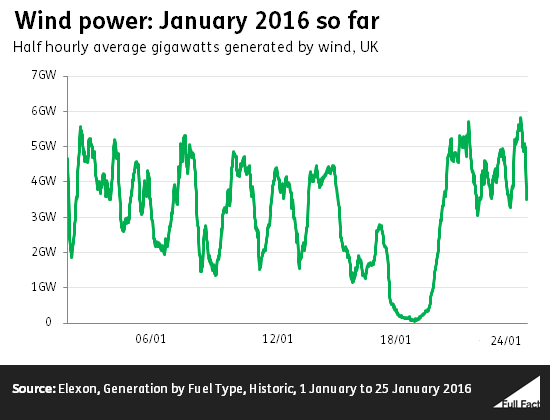
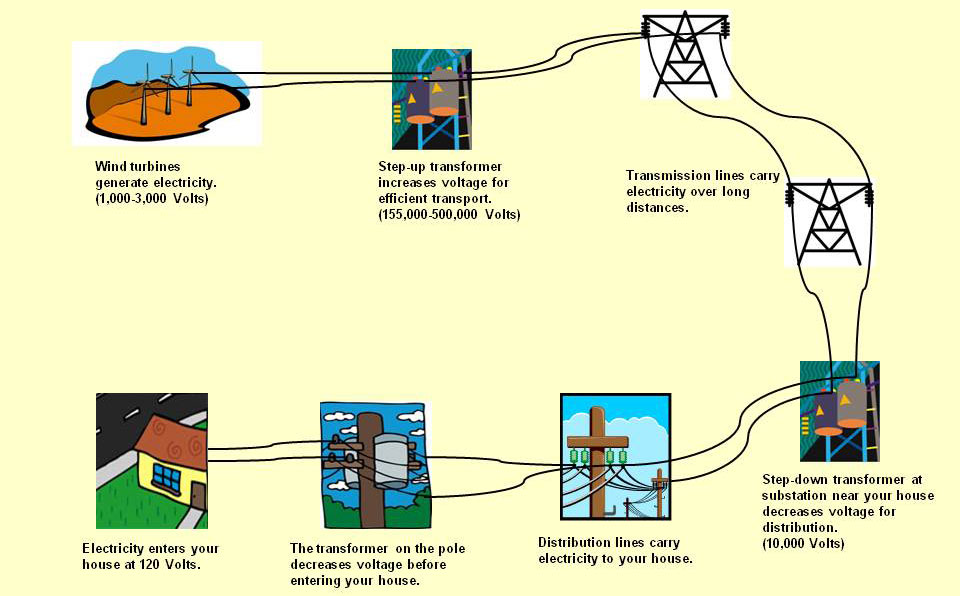
Yet, the path forward is not devoid of challenges. The integration of wind energy into existing power grids requires meticulous planning and investment. Wind is an intermittent resource, influenced by weather patterns, requiring robust backup systems and energy storage solutions to mitigate fluctuations in supply. This reality underscores the necessity for comprehensive energy strategies that embrace multiple renewable sources in concert, optimizing reliability while minimizing environmental impact.
Moreover, the geographical distribution of wind potential varies significantly across the globe. Some regions, endowed with vast open spaces and favorable wind patterns, have the capacity to deploy substantial wind farms, while others remain less advantaged. This disparity raises pertinent questions about equity in energy transition and elevates discourse around decentralized energy systems that empower local communities. As nations pursue their individual pathways toward sustainability, understanding and tapping into localized wind resources becomes increasingly vital.
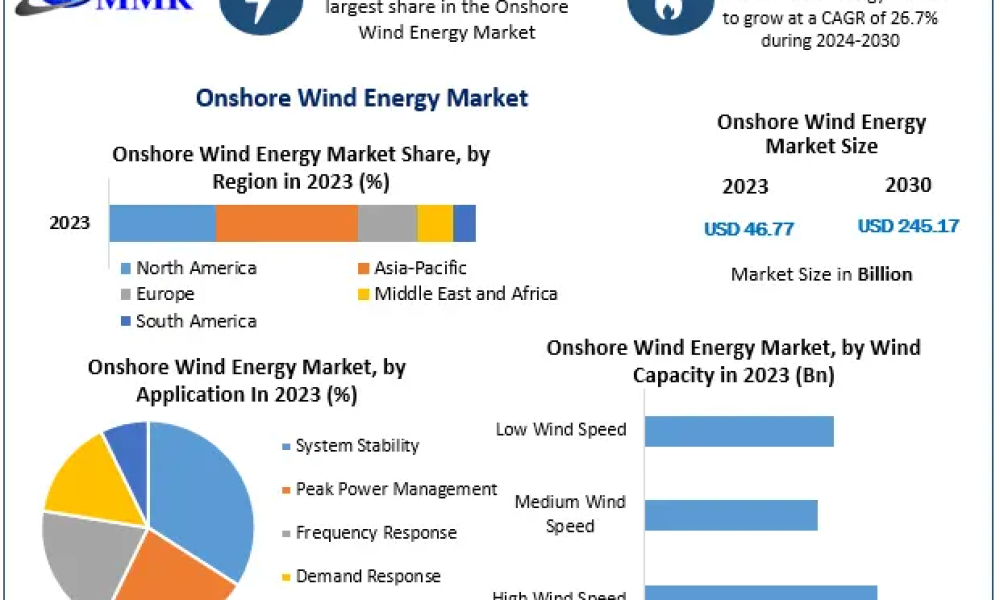
As the renewable energy sector burgeons, economic implications come to the fore. The wind energy industry is not merely a paragon of ecological stewardship; it has also become a robust economic driver. Job creation in wind technology, manufacturing, and installation has gained substantial momentum, with millions of jobs at stake globally. This burgeoning industry not only fosters economic resilience but also contributes to social equity by providing job opportunities in regions that may have been economically underserved.
Wind energy’s ascent is further underscored by favorable public sentiment regarding renewable energy sources. A growing awareness of climate issues combined with an increasing recognition of the dangers posed by fossil fuel dependence has led to widespread support for wind energy initiatives. Policymakers are responding, enacting legislation that supports renewables, facilitating investment, and enhancing infrastructure—albeit with variability in commitment across different nations.
International collaboration also plays a crucial role in advancing wind energy. The global energy landscape is increasingly interconnected; knowledge sharing, joint ventures, and technology transfers are paramount in accelerating wind energy deployment. Multinational partnerships can amplify innovation, reduce costs, and expedite the transition to sustainable energy. This approach highlights an essential truth: achieving a substantive increase in wind energy contributions is a communal endeavor that necessitates collective action.
As we stand at the precipice of an energy revolution, the question of what percentage of the world’s energy comes from wind transcends mere statistics. It embodies the promise of a future free from the shackles of environmental degradation and economic inequity. It ignites curiosity about the possibilities that lie ahead—possibilities steeped in ingenuity, resilience, and hope. Wind energy, once a marginal player, is now a cornerstone of our energy discussion, serving as a clarion call for transformation and a testament to humanity’s capability to adapt and innovate.
In conclusion, as we reflect on the contributions of wind energy to the global energy mix, it becomes abundantly clear that its influence is poised to grow exponentially. With the right investments, policies, and collaborative efforts in place, the future may very well see wind energy occupying a central role in satisfying our energy demands. Embracing this shift is crucial—not only for safeguarding our environment but also for creating a more equitable, sustainable, and prosperous world. As we journey forward, let us remain steadfast in our commitment to harnessing the winds of change, fueled by our collective vision and unwavering resolve.






Leave a Comment