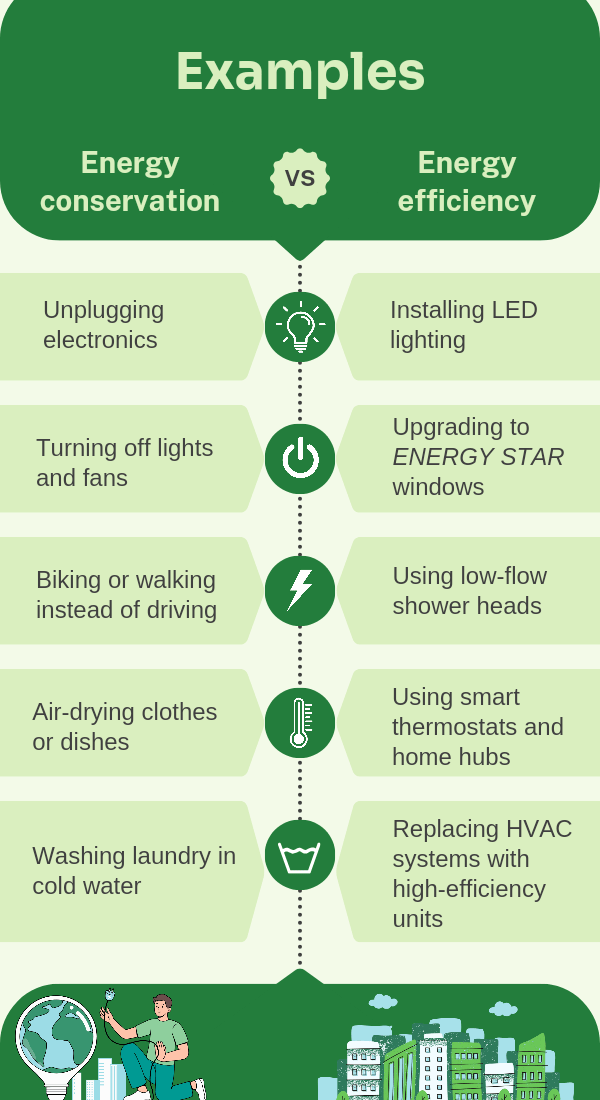
In an era where fossil fuel reserves dwindle and climate change mounts pressure upon our biosphere, energy conservation emerges not merely as a choice but as an imperative. Effective energy conservation programs promise not just diminishment in energy consumption, but they catalyze a profound shift in societal perspective towards sustainability. What, then, constitutes the crux of a truly effective energy conservation program? Exploring this multifaceted query leads us through a labyrinth of strategic implementation, community engagement, behavioral modification, and innovative technologies.
At the heart of any effective energy conservation initiative lies a robust framework of integration. This means that the program is not an isolated effort, but rather part of a larger ecosystem that includes governmental policies, corporate responsibility, and individual action plans. Governance plays a pivotal role; when policymakers establish regulations that incentivize energy efficiency, they create a fertile ground for conservation programs to take root. For instance, tax rebates for home energy audits and energy-efficient appliances provide tangible motivation for both homeowners and businesses to consider their consumption patterns more critically.
Moreover, successful programs are often characterized by their capacity to anticipate and circumscribe barriers to energy conservation. Understanding local contexts is essential. Whether addressing urban heat islands or rural energy inefficiencies, programs must tailor their innovations to localized pain points. This bespoke approach not only correlates with higher participation rates but also cultivates a palpable sense of ownership among community members. When citizens perceive themselves as stakeholders, a paradigm shift occurs; energy conservation becomes a collective endeavor rather than an imposition from above.
Yet, community involvement alone does not suffice. The narrative surrounding energy conservation must also undergo a radical transformation. The prevailing discourse frequently frames energy savings as a sacrifice—a reduction in comfort, convenience, or lifestyle quality. An effective program flips this narrative, emphasizing the myriad advantages that accompany energy conservation: financial savings, enhanced home comfort, and even health benefits through improved air quality. The promotion of energy conservation as an empowering choice rather than a burdensome responsibility piques curiosity and encourages broader engagement.
Central to this narrative shift is education. Educational initiatives should be multifaceted, targeting various demographics and employing diverse methods, from workshops and webinars to social media campaigns. These platforms can be leveraged to disseminate vital information about energy-saving techniques, such as the implementation of smart thermostats, efficient insulation, or renewable energy sources. The more informed citizens are about their energy usage, the more likely they are to engage with conservation strategies.
Integrating technology is another cornerstone of effective energy conservation programs. In our age of digital innovation, the deployment of smart technology cannot be overstated. Digital toolkits that allow users to monitor and manage their energy consumption in real time empower individuals to make informed decisions. For instance, smart meters provide immediate feedback, revealing how specific actions impact consumption. Such feedback loops foster an iterative process of understanding, enabling individuals to adjust their habits and potentially cultivate a culture steeped in energy awareness.
Moreover, partnerships with local businesses can amplify the message of conservation. Crafting alliances with retailers, service providers, and contractors can lead to collaborative promotions that drive collective action. Bulk purchasing agreements for energy-efficient products, for instance, can lower costs and enhance accessibility for consumers. This mutually beneficial relationship not only bolsters the program’s reach but also reinforces the notion that energy conservation transcends individual efforts—it is a community movement.
Nonetheless, we must also acknowledge the psychological barriers that individuals face when approached with the prospect of changing their energy consumption habits. Cognitive dissonance often arises; many are aware of the need for conservation but may hesitate due to inertia or a fear of change. Addressing these mental roadblocks is paramount. Techniques borrowed from behavioral economics, such as gamification, can be employed to make energy conservation aspirational and engaging. By creating friendly competitions or challenges within communities, residents can actively participate in energy-saving missions, fostering camaraderie while also achieving shared goals.
Moreover, the efficacy of energy conservation programs is intrinsically linked to their measurement. Absent rigorous assessment mechanisms, it becomes exceedingly difficult to gauge success or identify areas for enhancement. Programs must incorporate a robust evaluation framework, employing key performance indicators (KPIs) that reflect both quantitative reductions in energy consumption and qualitative shifts in community engagement. Regularly reporting these metrics not only delineates progress but also maintains momentum, showcasing the tangible impacts of collective actions.
In conclusion, the essence of an effective energy conservation program is not merely a checklist of strategies but a holistic approach that transcends individual actions to incorporate community engagement, educational outreach, technological integration, and robust evaluation mechanisms. By proffering a new perspective on energy usage, such programs can shift societal paradigms, transforming challenges into opportunities and fostering a culture of sustainability. It is through such meticulously woven frameworks that we, as a society, can embark on a journey towards a more responsible and conscientious energy future. A future where energy conservation is not just an initiative, but a valued way of life.







Leave a Comment