In the realm of renewable energy, wind power stands as a towering giant, commanding attention with its ethereal grace and boundless potential. At the heart of this energy revolution lies the wind turbine, a modern-day windmill that transforms ephemeral zephyrs into tangible electricity. However, nestled within the ornate mechanics of these colossal structures is a pivotal question: What is the optimal blade length for wind turbines? This inquiry weaves together dynamics, engineering prowess, and environmental stewardship, much like a spider spinning an intricate web.
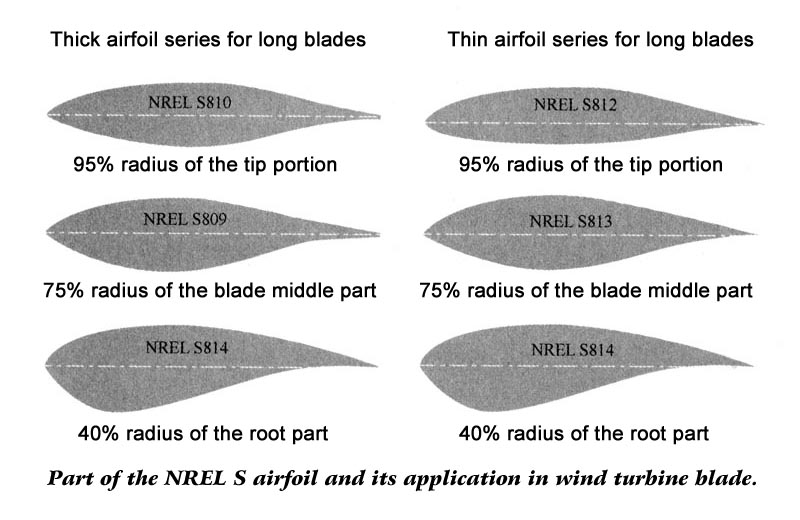
First, we must delve into the anatomy of the wind turbine blade. When we envision a turbine, we often see the long, sweeping arms gracefully pirouetting against the sky. These blades are not merely appendages; they are meticulously designed instruments of aerodynamics that capture kinetic energy. The blade length is more than an arbitrary specification. It is the product of various factors such as wind speed, site conditions, and desired energy output, all converging in a delicate balance reminiscent of a symphony where every note must harmonize to achieve a resonant melody.
As with any masterpiece, the quest for optimal blade length involves navigating a labyrinth of trade-offs. Shorter blades can efficiently operate in environments with lighter winds, preventing the mechanical strain that prolonged exposure may impart. However, in the grand theater of energy production, these shorter blades often fall short—much like a timid actor failing to deliver their lines amidst a crowded stage. They cannot harness the expansive energy found in brisk gusts, limiting the power output of the turbine significantly.
Conversely, longer blades reach out toward the heavens, catching the precious whispers of the wind that others may ignore. They embrace the zephyrs like a lover’s embrace, transforming unyielding gusts into spirals of kinetic potential. With each additional meter of blade length, turbines capture exponentially more energy. This phenomenon, attributable to the area covered by the rotor swept area, heightens energy yield and ultimately reduces the cost of electricity produced. Yet, this exuberance comes with its own consequences, akin to a ravenous beast that requires robust engineering and regular maintenance to ensure longevity.
Moreover, the wind’s behavior is far from predictable. It dances, flutters, and swirls, making the selection of blade length a formidable endeavor. Ideal design must account for not only average wind speeds but also fluctuations and turbulence. As any seasoned sailor will attest, navigating inconsistent currents is a skill refined through experience and knowledge. Similar complexity arises in determining the optimal length for a turbine; one must be well-acquainted with the local climate and potential environmental impacts.
In regions characterized by higher wind speeds, such as coastal or mountainous areas, longer blades prove advantageous, tapping into the relentless energy these places offer. The towering presence of these turbines in the landscapes becomes a powerful testament to innovation, their blades cutting through the sky like piercing arrows. Yet, in calmer locales, shorter blades become wise guardians, allowing turbines to operate without succumbing to the fatigue of unnecessary flailing.
Another critical aspect to consider is the interplay between blade length and noise pollution. The rhythmic whoosh of turbine blades is the sound of progress; however, longer blades can generate lower frequencies that resonate farther, potentially intruding upon the tranquility of nearby communities. It is imperative to strike a balance between energy generation and maintaining harmonious coexistence with human habitats. The energy revolution should not come at the expense of those it seeks to serve.
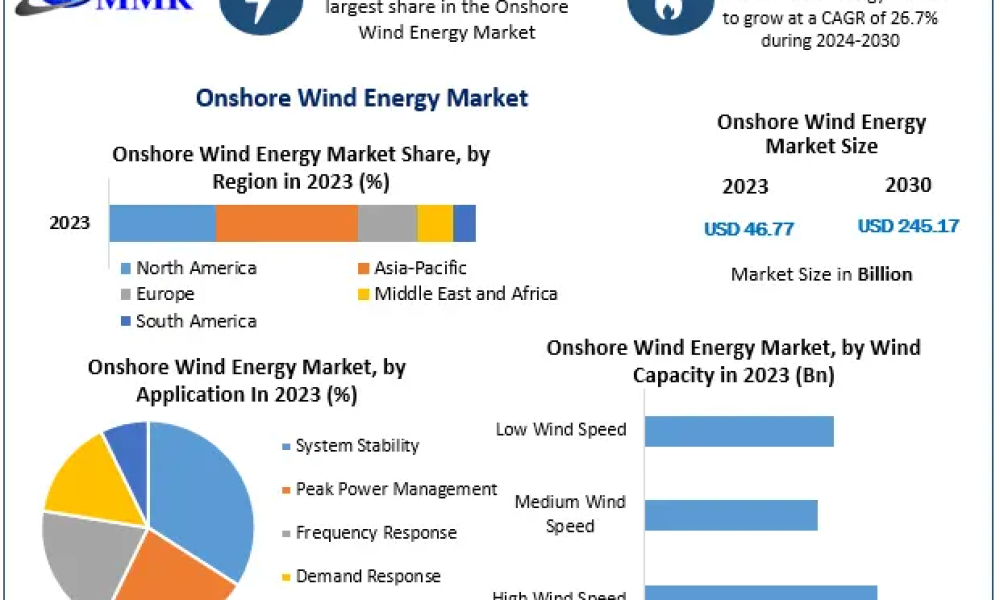
Additionally, the question of optimal blade length transcends mere engineering. It dances into the realm of economics. With the advent of larger wind farms, scalability and cost-effectiveness become paramount. Longer blades, while initially more expensive, may yield lower prices in the long term by maximizing energy output. As the renewable energy market burgeons, the financial implications of blade length become a vital piece of the puzzle, allowing communities to thrive under the aegis of sustainable practices.
As we reflect on the delicate balance between blade length and its myriad influences, we arrive at an understanding that it is not simply a formulaic calculation but an integrated decision rooted in philosophy, ecology, and engineering. It encapsulates our growing ambition to coexist with Earth while harnessing her gifts for a brighter future. Every wind turbine installed with precision represents a commitment to innovation and stewardship.
In conclusion, determining the optimal blade length for wind turbines is an intricate interplay of science, art, and responsibility. Just as a master painter selects colors to create a harmonious composition, engineers and environmentalists must collaborate to select blade lengths that respect both the power of nature and the surrounding communities. As we forge ahead into an era driven by clean energy, the silhouette of a wind turbine—its blades gracefully rotating against the sky—serves as a beacon of hope, guiding humanity toward a sustainable tomorrow.






Leave a Comment