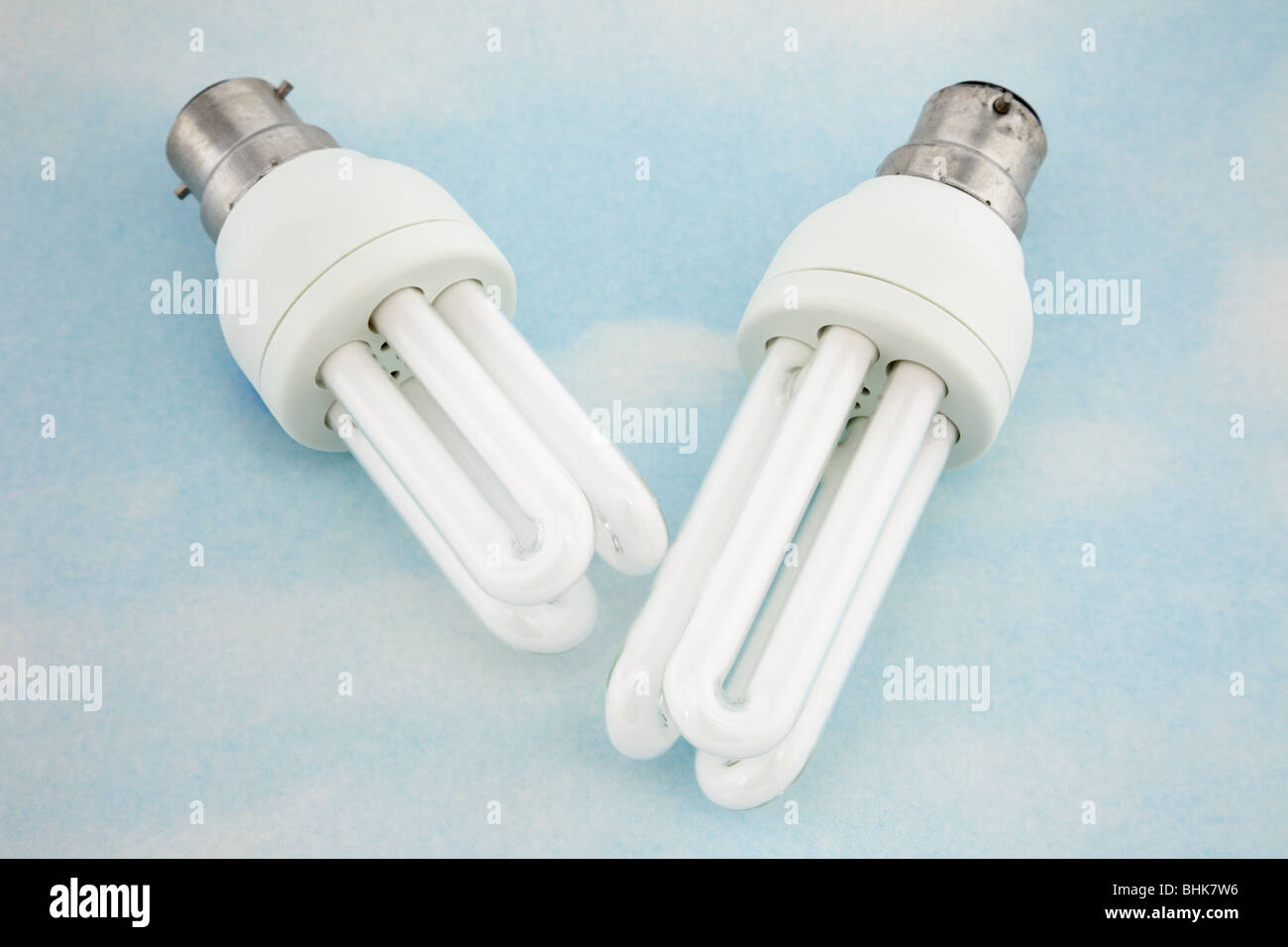
In a world where our environmental footprint is under ever-increasing scrutiny, the quest for sustainable living has garnered paramount importance. A notable contender in this arena is the long-life low-energy light bulb. But what exactly are these bulbs, and are they truly worth the investment? Let’s delve into the mechanics, benefits, and a few potential challenges associated with these innovative lighting solutions.
Long-life low-energy light bulbs, also known as compact fluorescent lamps (CFLs) and light-emitting diodes (LEDs), are designed to consume significantly less energy while providing prolonged illumination. Unlike traditional incandescent bulbs, which waste a substantial portion of their energy as heat, these modern alternatives convert much of their energy into visible light. This efficiency is not just a mere statistic; it translates to tangible benefits for both our wallets and the environment.
Imagine this: a household that replaces its 10 incandescent bulbs with equivalent long-life low-energy options can save anywhere from $50 to $100 annually on energy bills. Now, that sounds appealing, doesn’t it? However, the climate implications extend far beyond mere savings. It is estimated that if every household in the United States replaced just one incandescent bulb with a CFL or LED, the reduction in greenhouse gas emissions would be equivalent to taking over a million cars off the road for an entire year. Just think about that impact!
The longevity of these bulbs is one of their most attractive features. A typical long-life low-energy light bulb can last anywhere from 10,000 to 25,000 hours, compared to a mere 1,000 hours for many incandescent counterparts. This endurance not only means fewer replacements but also less frequent trips to the store—a boon for both time and our mounting trash. However, consider the ramifications. As we transition to more sustainable options, we face a cultural challenge: changing our ingrained habits that often favor the short-lived and the readily available.
In the context of performance, long-life low-energy light bulbs are equally impressive. They provide a spectrum of options that cater to various ambiances and functions, from warm to cool light temperatures. Whether it’s the cozy glow desired in a living room or the bright illumination needed in a kitchen, there’s likely a long-life low-energy light solution. Yet, the initial cost can be daunting. While prices have decreased significantly over the years, a single LED more expensive than traditional bulbs can deter some consumers. This raises a provocative question: Does the upfront financial barrier outweigh the long-term ecological and economic benefits? The answer lies in a broader understanding of value.
Transitioning to long-life low-energy light bulbs often involves a change in mindset. Consumers may be entrapped by the convenience of traditional bulbs, which can be readily found on store shelves at lower prices. However, the longevity and energy efficiency in the long term culminate in savings that invariably exceed the initial investment. By contributing to reduced energy demand, these choices support a shift toward renewable energy sources, fostering a resilient future economy predicated on sustainability.
Yet, it is not all smooth sailing in the realm of low-energy lighting. One of the controversies surrounding certain types of CFLs involves the presence of mercury, a toxic substance that, while minimal, poses risks if the bulb breaks or is improperly disposed of. This concern necessitates responsible handling and disposal, presenting a challenge in a world where convenience often takes precedence. Consumers are urged to seek out recycling programs or locations that ensure safe disposal of used bulbs. This decision echoes a larger narrative: that sustainability is not just a personal choice, but a collective responsibility.
Critically, LED technology has emerged as a superior alternative that eschews the mercury dilemma entirely, further solidifying its position as the frontrunner in sustainable lighting. The downward trend in their prices reflects an encouraging trajectory toward mainstream acceptance. By investing in high-quality LEDs, consumers can contribute to a sustainable future while enjoying the plethora of benefits these technology marvels provide—from immediate cost savings to indirect savings by lessening strain on the power grid.
Another contemplative perspective emanates from the broader implications of our lighting choices. Low-energy bulbs symbolize not only advancements in technology but a burgeoning awareness of environmental stewardship. They challenge us to think critically about our consumption patterns. In a paradoxical sense, the decisions we make in our illuminated spaces reverberate through the ecosystem, illustrating the intricate interconnectedness of our world.
Conclusively, adopting long-life low-energy light bulbs emerges as a powerful step toward energy conservation and environmental responsibility. Their myriad advantages—economic, ecological, and practical—far outweigh the initial hurdles. The question looms: Are you prepared to embrace this illumination revolution? Or will you allow old habits to dictate your choices, inhibiting the progress we so urgently need? Committing to these bulbs is more than merely switching your lighting; it is a broader endorsement of a sustainable ethos, pushing against the tide of wasteful practices. In doing so, you become part of the solution, illuminating a path toward a greener future.







Leave a Comment