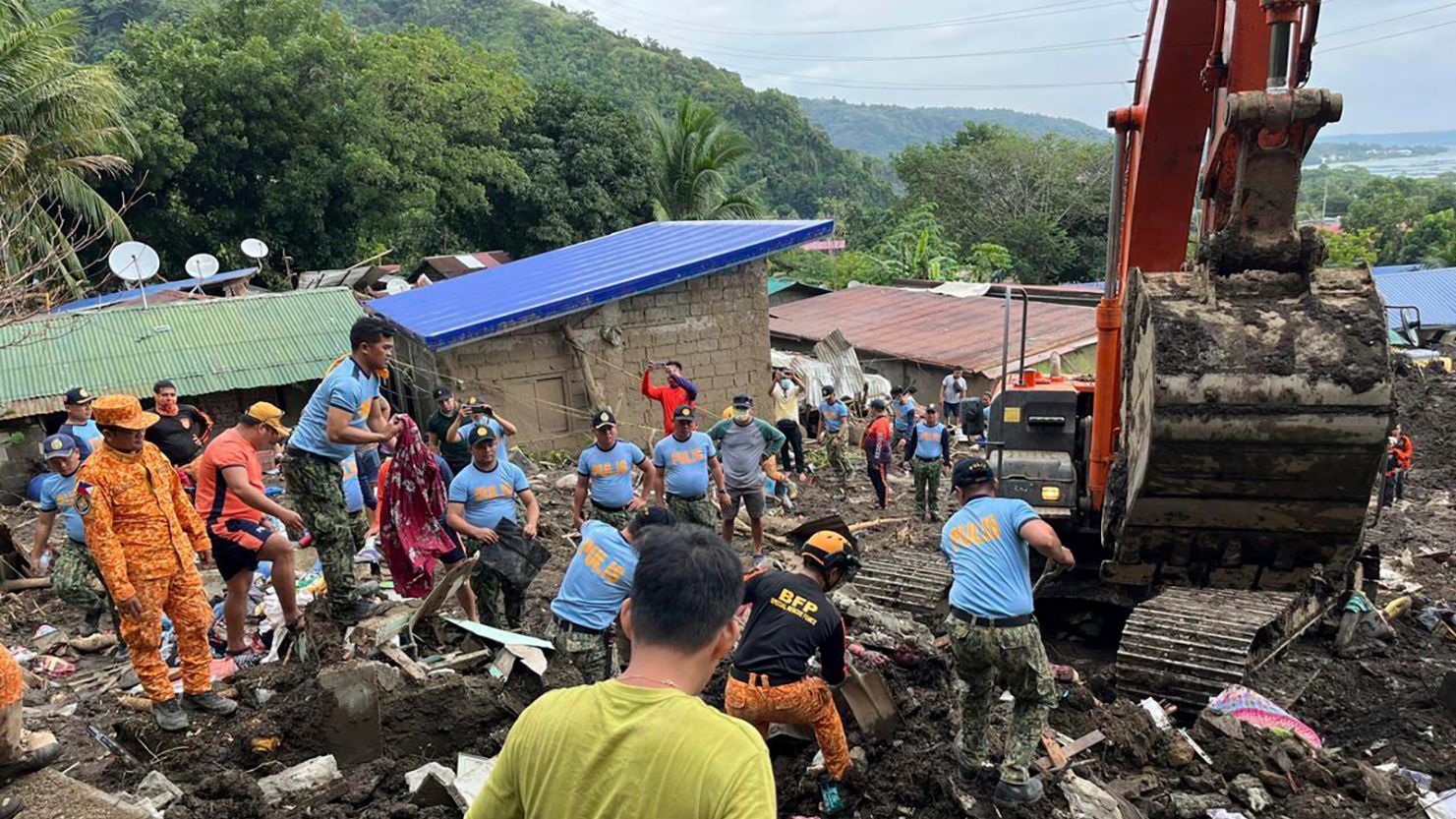
In the heart of the Pacific Ocean, the Philippines — an archipelago composed of over 7,000 islands — has weathered a long-standing battle against the titanic forces of nature. The recent devastation brought by Typhoon Trami serves as a harrowing reminder of the rising climate risks that threaten not only livelihoods but the intricate tapestry of cultural heritage woven throughout this resilient nation. With the ferocity of a dragon awakened from its slumber, Trami struck with unrelenting intensity, claiming at least 14 lives and leaving a trail of destruction that lays bare the urgent need for systematic change in our approach to climate resilience.
As the storm-shaped shadows advance across the landscape, the repercussions ripple outward beyond immediate physical damage. The metaphoric winds of change beckon us to confront an uncomfortable truth: the nexus of climate change and societal vulnerability is growing ever more robust. Just as the delicate saltwater air mingles with the verdant greens of the archipelago, so too do the fates of its inhabitants intertwine with the planet’s shifting climates. This is a poignant moment, echoing the ancient wisdom that the mightiest trees bend before the fiercest winds — a lesson in humility that humanity must learn before it’s too late.
Typhoon Trami’s dramatic onset centered its fierce eye upon the mountainous regions and low-lying communities, sparing none in its fierce embrace. The sudden deluge of water transformed familiar landscapes into torrents, capturing homes, dreams, and lives in its relentless path. The aftermath highlights a stark reality: how prepared are we, really? This question lingers like the scent of rain-soaked earth, impossibly fragile yet profoundly resilient. The very communities that once thrived through tropical storms now find themselves grappling with the dual reality of ecological and infrastructural precarity.
Forecasts are grim. With each passing year, island nations face the slow but inescapable shift in meteorological patterns attributed to global warming. The intensity and frequency of storms are escalating, fueled by a warming ocean that acts as a hyper-concentrated source of energy. The concept of ‘once-in-a-lifetime’ storms transforms into a grotesque farce, as events that were historically rare become established norms. The realities of Typhoon Trami present an urgent clarion call to action, compelling local governments and international agencies alike to reevaluate their strategies for disaster preparedness and response.
Yet it’s not merely the immediate death toll that invokes sorrow; it’s the human narratives that linger beneath the water’s surface. Behind the mere statistics lie stories of loss interwoven with threads of heroism, despair, and an indomitable spirit. Across the Philippines, we witness locals banding together, demonstrating that even in despair, kinship prevails. These moments illuminate an unwavering truth: resilience is born not in isolation but in community, where collective efforts provide a formidable front against nature’s fury.
The fabric of Filipino life is undeniably vibrant, marked by an enduring connection to the land and its resources. Typhoon Trami has disrupted this innate relationship, but it has also evoked an ancient wisdom illustrating that with every calamity comes an invitation to evolve. As we grapple with the repercussions of this storm, the necessity for sustainable practices emerges on the horizon, beckoning us to consider how the cultural richness of the islanders might inform adaptive strategies moving forward.
Hence, the discourse surrounding climate change must extend beyond statistics and policies. It should delve into how to harness indigenous knowledge and modern science in tandem to foster resilience. For instance, traditional agricultural practices such as agroforestry and intercropping can serve as antidotes to the monolithic approach of monocultures that leave farmers vulnerable to climate fluctuations. By embracing the polyphony of ecological approaches, the Philippines could emerge not as a victim, but as a beacon of adaptive ingenuity in the face of conflict and chaos.
Moreover, awareness spreads like wildfire through social media platforms, urging global citizens to unify efforts in pressure campaigns directed at lawmakers and corporations. Dialogues surrounding sustainable development can reshape policies governing environmental management, shifting the paradigm from reactive to proactive. Yet, one thing must resonate universally: the imperative to invest in robust infrastructures coupled with public health initiatives to cushion the impacts of future storms, designed not just to withstand the thunderous applause of Mother Nature, but to nurture the lives interspersed within her tempestuous realm.
As a nation, strength must be rediscovered within the precarious balance between development and environmental stewardship. The trauma inflicted by Typhoon Trami should galvanize an unyielding resolve, illuminating the pathways forged by sacrifice and unity. The tenacity of the Filipino spirit cannot be overstated; each resurrection from devastation harbors the potential to catalyze transformation. By placing climate awareness and disaster imprints at the forefront of societal priorities, the Philippines can adopt an enlightened perspective — viewing nature not merely as an adversary but as a cherished ally in the journey toward sustainable resilience.
In closing, while Typhoon Trami may have taken lives, its repercussions summon a collective awakening to the inherent fragility of our existence shaped by the climate we inhabit. The hands of fate write a story of urgency, demanding that we heed the lessons buried in the rubble. Change must proliferate from local to global conversations, knitting together a future that honors the past while safeguarding lives and livelihoods for generations to come. The question remains, are we ready to embrace this call to action? The answer may very well determine the narrative yet to unfold in the chronicles of humanity and its planet.









Leave a Comment