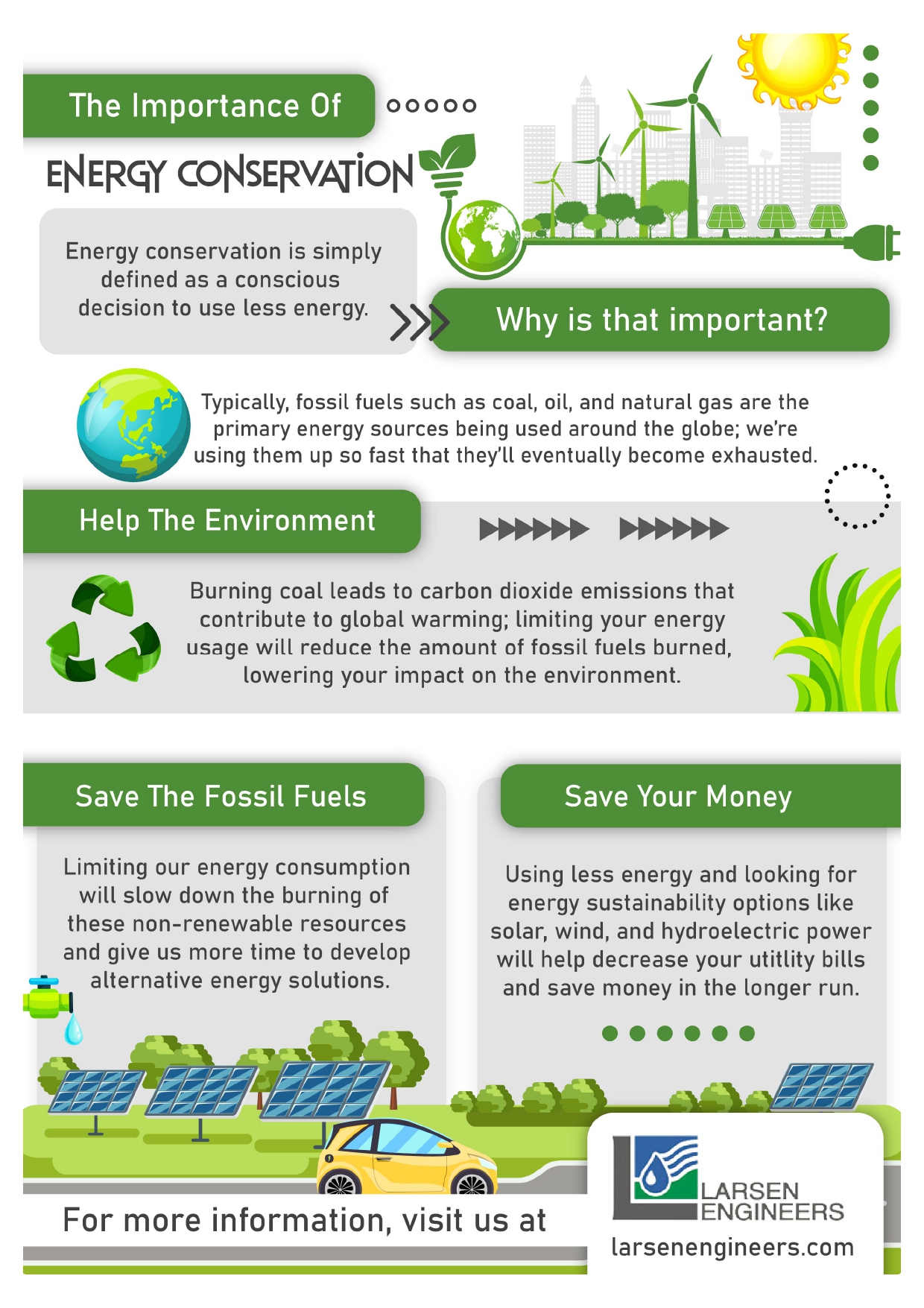
In our contemporary world, the challenges posed by climate change, dwindling resources, and rising energy demands necessitate a profound understanding of energy conservation. It transcends mere frugality; it is about adopting a holistic approach to our daily life that can yield immense benefits for both the environment and humanity. The following exploration delves into the inherent significance of energy conservation, intricately woven into the fabric of our daily existence.
One of the most compelling reasons for embracing energy conservation lies within the realms of environmental stewardship. The unprecedented increase in greenhouse gas emissions has precipitated dire consequences for our planet. By conserving energy, we can reduce our dependence on fossil fuels—those nonrenewable resources that often lead to carbon dioxide emissions when burned. This, in turn, mitigates air pollution and lessens the burden of global warming. Small actions—switching off appliances when not in use, utilizing energy-efficient bulbs—are instrumental in reducing our carbon footprint. When aggregated across millions of individuals, such seemingly insignificant decisions coalesce to create a considerable impact on our environment.
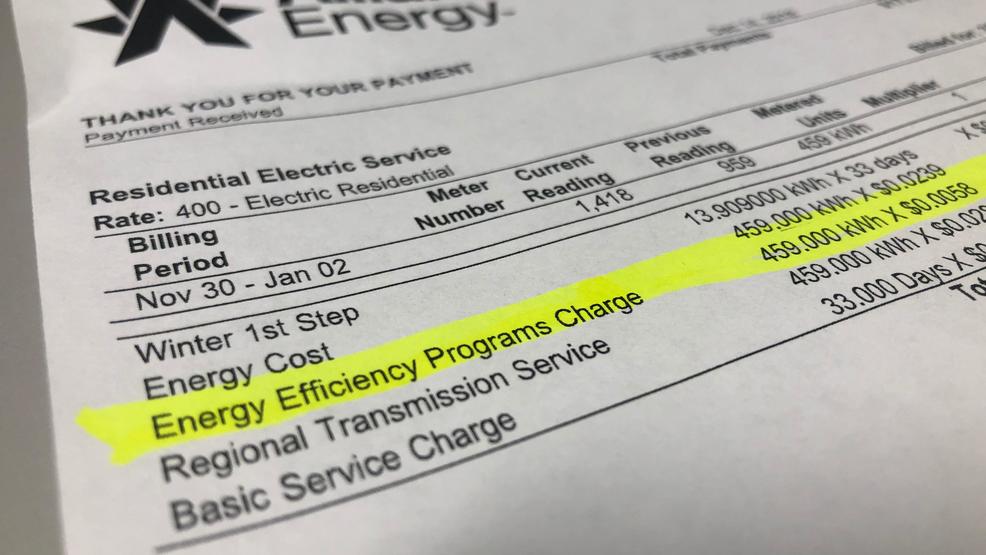
Furthermore, energy conservation harnesses the potential for economic savings. Households and businesses alike can reap substantial financial benefits by adopting energy-saving practices. The implementation of energy-efficient technologies, while sometimes requiring an initial investment, often results in marked reductions in utility bills over time. Moreover, governmental incentives for energy conservation initiatives can offset initial expenses, making sustainable choices more financially feasible. The simple act of adjusting a thermostat or using public transportation can bolster one’s finances while fostering an eco-conscious ethos.
On a societal level, the implications of energy conservation are profound. As communities collectively commit to sustainable practices, they foster a culture of innovation and responsibility. Participating in local energy conservation programs not only unites citizens but cultivates a sense of belonging and shared purpose. Moreover, promoting energy efficiency leads to enhanced public health outcomes, as cleaner air and reduced emissions contribute to lower rates of respiratory diseases and other health ailments provoked by pollution. Thus, energy conservation acts as a conduit for societal well-being, cultivating a healthier and more prosperous populace.
Additionally, energy conservation plays a pivotal role in preserving natural resources. The extraction and consumption of fossil fuels not only deplete reserves but also wreak havoc on ecosystems. By transitioning to renewable energy sources—solar, wind, and geothermal—we conserve finite resources and safeguard biodiversity. This transition necessitates a systemic shift in our energy paradigm and advocates for sustainable practices in energy production and consumption. Each choice, from supporting renewable energy initiatives to advocating for policy changes, is a step toward ensuring the longevity of our precious resources.
The transformation brought about by energy conservation is not merely limited to environmental and economic spheres; it extends into the realm of personal empowerment. Mastering the art of energy efficiency instills a sense of agency in individuals. By recognizing the direct correlation between our actions and environmental impact, we become more conscientious citizens. The empowerment derived from making informed choices can lead to a ripple effect; as individuals become advocates for energy conservation, they inspire those around them to initiate change. Not only does this foster sustainability, but it also enriches one’s sense of purpose.
Moreover, there is an inherent ethical dimension to energy conservation. In a world marked by stark inequalities, the practice of conserving energy upholds a sense of collective responsibility towards future generations. The profound impacts of climate change will not solely affect us—they will reverberate through time, altering the lives of countless individuals who are yet to be born. Thus, energy conservation is an ethical imperative, a moral obligation that we should embrace wholeheartedly, ensuring that we leave behind a world that is not only habitable but thriving.
Furthermore, sustaining energy-efficient practices cultivates resilience against fluctuating energy prices and geopolitical uncertainties. As global tensions rise and natural resources dwindle, communities that prioritize energy conservation are better equipped to weather economic storms. The future is unpredictable; thus, by fostering energy independence and resilience, societies can ensure stability amidst chaos. Such forethought is paramount as we navigate an increasingly volatile world.
In conclusion, the real importance of energy conservation extends far beyond the obvious realms of monetary savings or environmental sustainability. It interlaces multiple facets of daily existence—from economic empowerment to enhancing public health, from community cohesion to ethical responsibility. As we embark on the journey towards a more sustainable future, each of us must recognize the pivotal role we play in this transformational narrative. Every action we take, no matter how mundane it may seem, contributes to a larger tapestry of change. It is incumbent upon us to embrace energy conservation not just as a lifestyle choice, but as a moral commitment to our planet and to each other. Through this shared resolve, we can foster a legacy of sustainability and resilience—an ethos that will echo through generations.








Leave a Comment